A 64 GB DDR5 RAM kit has appeared in the liquidation market at a price so low it defies logic: $6.99. The claim, if verified, would mark one of the most extreme discounts ever seen for high-capacity memory modules. But is this a genuine opportunity or a red flag for power users building next-generation systems?
DDR5 RAM has already evolved from its initial 4800 MHz offerings to kits pushing 6000 MHz and beyond, with prices reflecting that performance leap. A 32 GB kit typically retails around $120 at launch, so 64 GB at less than 7% of that price demands scrutiny. The user’s post suggests the modules were sourced from a liquidator, where overstock or returns often appear at deep discounts—but not without caveats.
What changed—and what didn’t
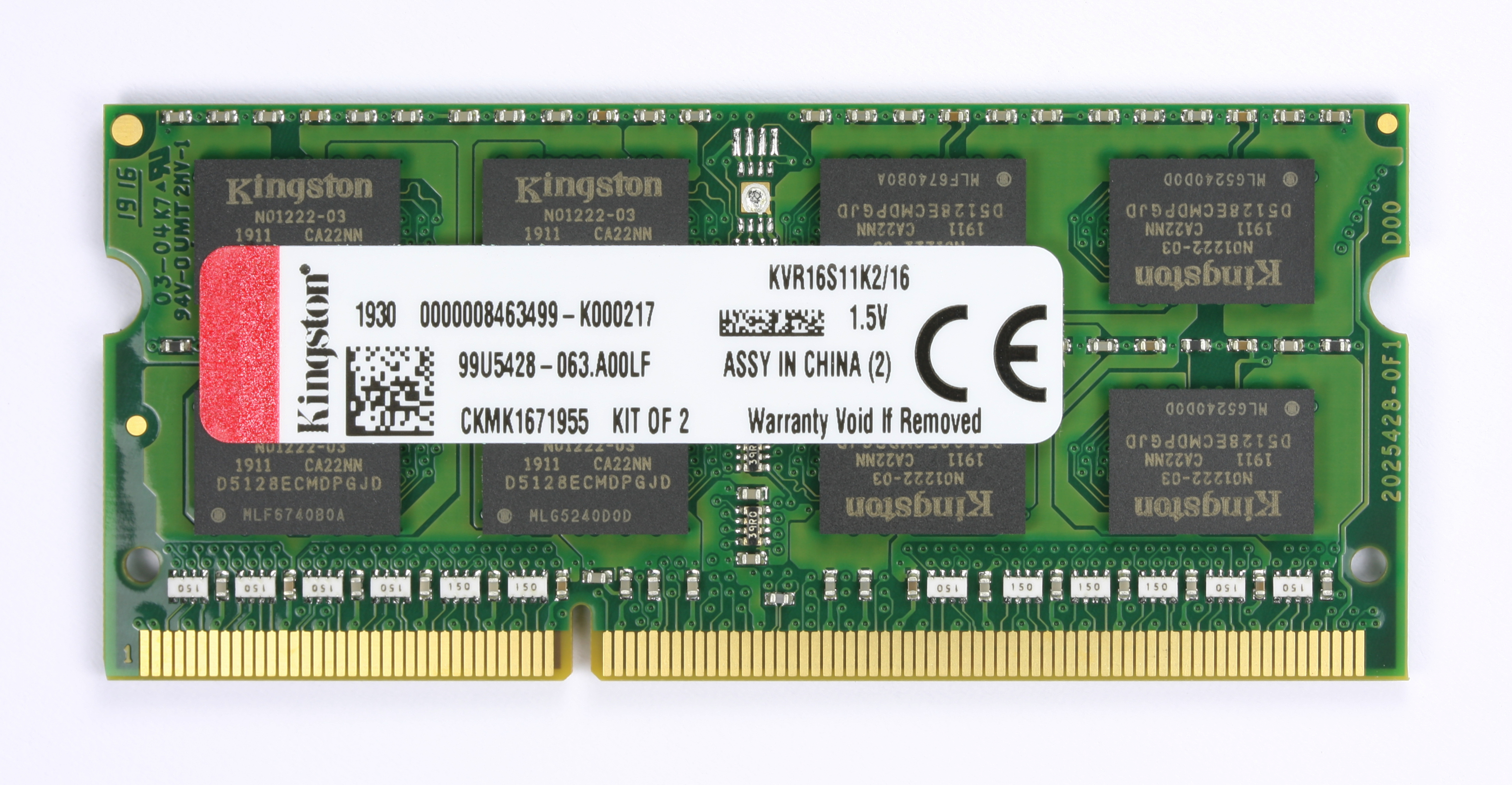
The key details of the kit remain unclear beyond capacity and price. No manufacturer name, part number, or performance specifications have been confirmed, which is unusual for even liquidation deals. DDR5 modules are usually sold in matched pairs, so a 64 GB kit would logically consist of two 32 GB sticks. Current high-end kits from brands like G.Skill, Corsair, and Kingston sell for $180–$250 at retail, with prices dropping to $100–$150 after launch. A $7 kit would need to be a rare outlier—possibly a mislabeled batch, a sample unit, or an error in listing.
- Specs (if confirmed):
- Capacity: 64 GB (2x32 GB)
- Type: DDR5
- Price: $6.99 (claimed)
- Origin: Liquidator (unspecified)
Liquidators often handle returns, overstock, or defective units, but DDR5 modules are tightly controlled to avoid compatibility issues. A kit priced this low would likely lack the rigorous testing applied to retail products, raising concerns about stability, heat output, and long-term reliability—especially for users running multi-threaded workloads or overclocking.
Who benefits—and who should skip
For enthusiasts building or upgrading systems with high memory demands, this deal could be a curiosity rather than a practical solution. A 64 GB kit is overkill for most gaming rigs but essential for professional workloads like video editing, 3D rendering, or large-scale databases. However, the lack of transparency around the modules’ origin and performance characteristics makes it risky even for those with deep pockets.
Everyday users should ignore this entirely unless they have a verified source and a way to test the modules thoroughly before installation. Liquidation deals often come with hidden costs—whether in compatibility issues or the need to replace modules that fail under load. The true value of DDR5 lies in its efficiency and bandwidth, not in bargain-basement pricing.
A market shift with unknowns
This incident reflects a broader trend in the tech industry: liquidation markets are becoming more accessible, but they also blur the line between genuine discounts and potential traps. The rise of AI-driven workloads has increased demand for high-capacity RAM, pushing prices upward while creating opportunities for overstock to resurface at unusual prices.
What’s confirmed? A 64 GB DDR5 kit was listed at $6.99 in a liquidator setting. What remains unconfirmed? Whether it functions as advertised, whether it’s from a reputable source, and whether it will hold up under real-world stress tests. Until those questions are answered, the deal should be treated with skepticism—no matter how tempting the price tag.