Dark Souls II has received a significant visual overhaul through a new path-tracing mod, pushing the boundaries of how this classic RPG can be rendered in real time. The update introduces advanced lighting effects that were previously impossible on the game's original hardware, creating a stark contrast to its 2014 release.
The mod, built for modern GPUs, adds global illumination and accurate reflections that react dynamically to light sources—features that demand substantial computational power but deliver unparalleled visual fidelity. This isn't just about brighter screens; it's about transforming how players experience the game's atmosphere, from the flicker of torchlight in firelink shrine to the way sunlight filters through the archdragon's wings.
Under the hood, the mod leverages real-time ray tracing to simulate light bouncing across surfaces with precision. While this imposes a performance cost—expect frame-rate drops on mid-range GPUs—the result is a rendering technique that was once reserved for cinematic trailers but now feels like an integral part of gameplay. The trade-off is clear: smoother, more realistic visuals come at the expense of stability and efficiency.
Developers behind the mod have focused on preserving the game's original performance baseline while introducing path tracing as an optional setting. This means players can toggle between traditional rasterization and the new ray-traced mode without sacrificing core gameplay. The difference is immediately noticeable, especially in darker areas where shadows now cast softer edges and reflections appear on polished surfaces like never before.
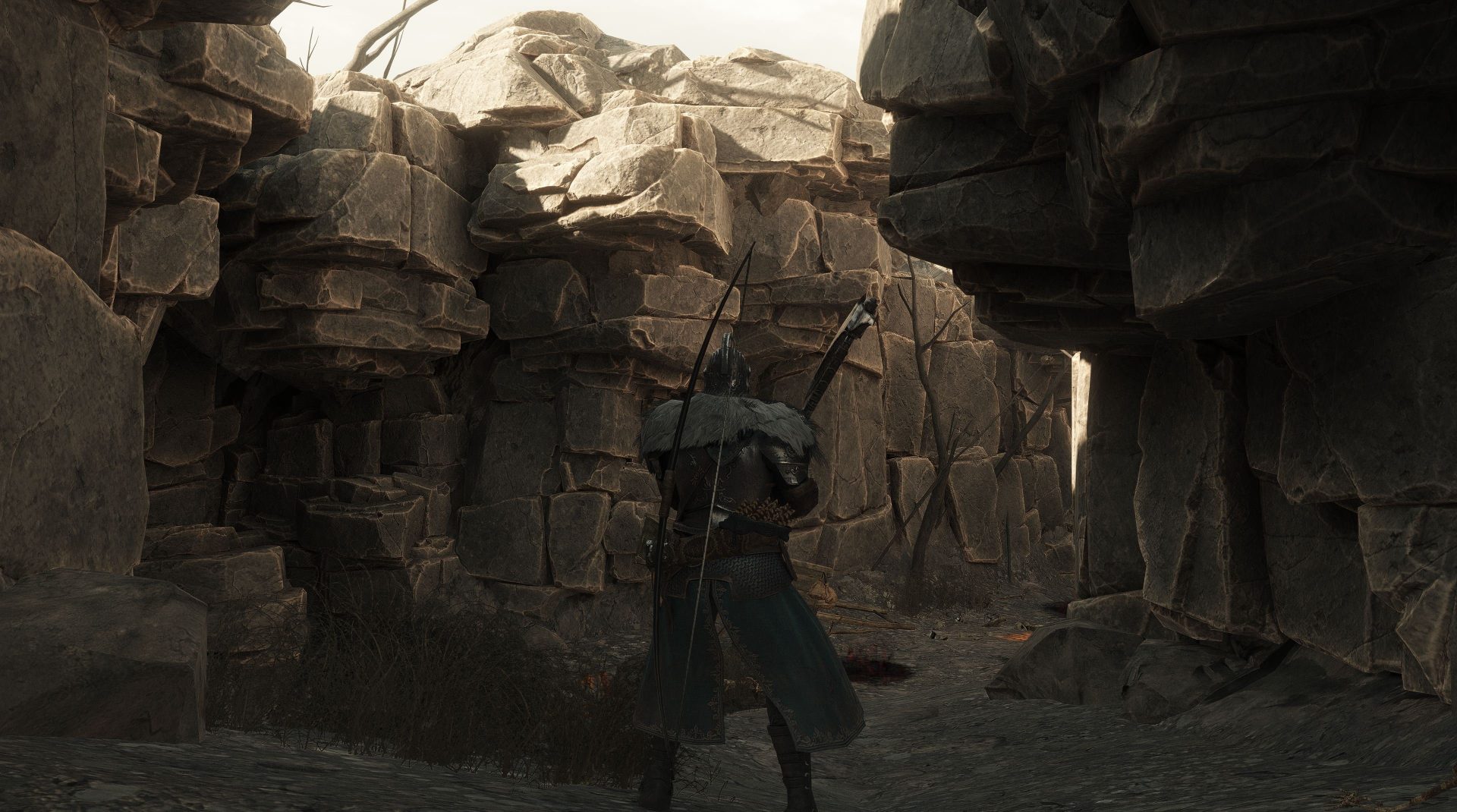
The impact extends beyond aesthetics. Path tracing in Dark Souls II introduces a layer of immersion that wasn't possible with the game's original lighting engine. The way light behaves—how it scatters through fog, how it glints off weapons or armor—adds a level of detail that feels organic rather than forced. This isn't just about making things look prettier; it's about creating a more believable world.
For players who remember the game's original release, the shift is jarring in the best way. The lighting engine from 2014 was a marvel for its time, but path tracing takes it to another dimension entirely. It's not just an upgrade; it's a reimagining of how Soulsborne games can look when modern hardware meets vintage design.
That’s the upside—here’s the catch: path tracing isn't without its limitations. The mod pushes GPUs to their limits, and even high-end cards will struggle to maintain consistent frame rates at higher resolutions or with additional visual effects enabled. Players who prioritize performance over aesthetics may find the experience less enjoyable, especially during intense boss fights where stability matters most.
Yet, for those willing to embrace the trade-off, Dark Souls II with path tracing offers a glimpse into the future of retro game remasters. It proves that even games from nearly a decade ago can be reimagined without losing their identity, provided the right tools are used. The result is a version of the game that feels both nostalgic and cutting-edge—a balance that few mods achieve.