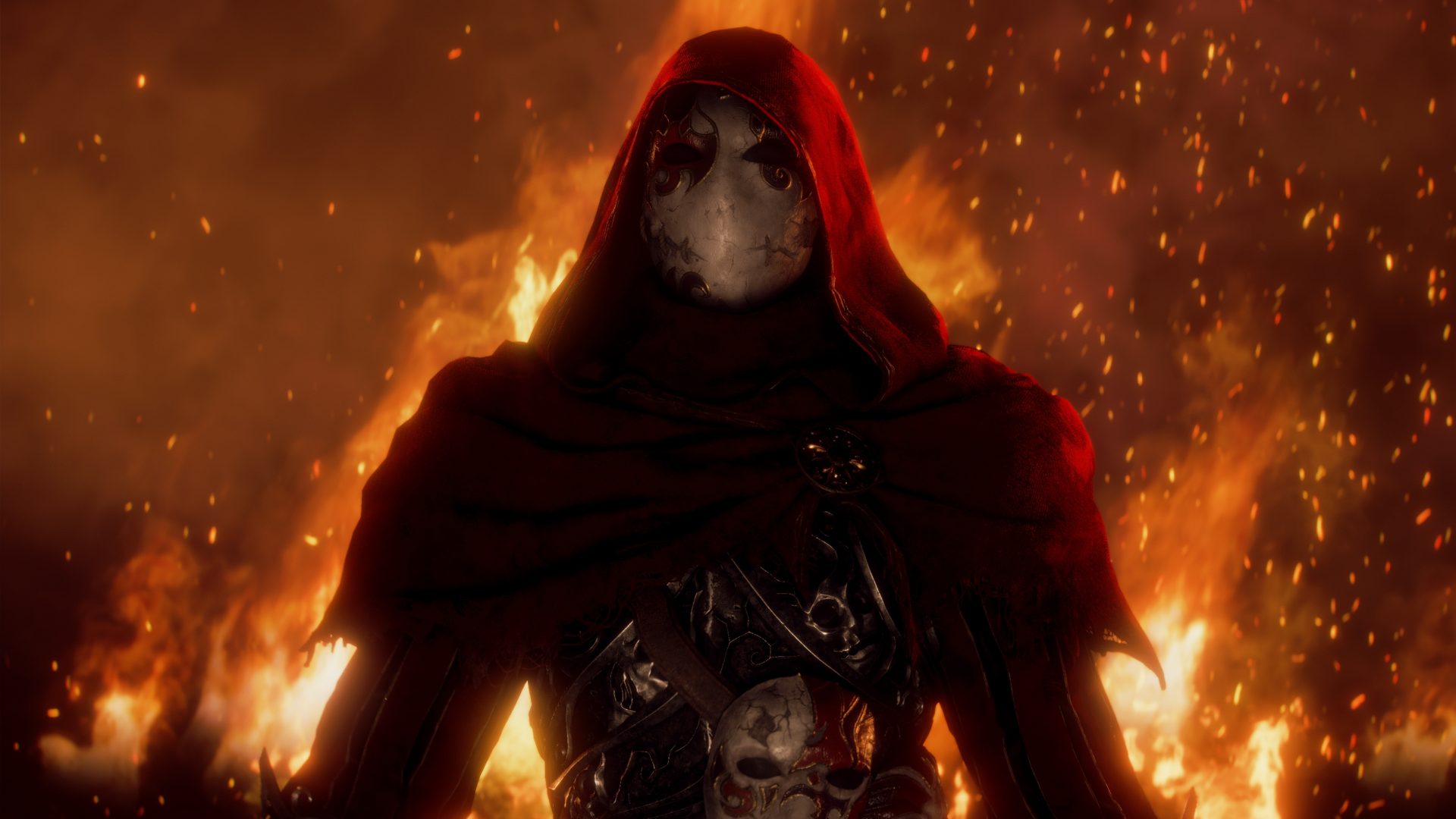
A trailer meant to shine during the BAFTA Game Awards was pulled just hours before its scheduled appearance, leaving a small development studio to question the boundaries of creative expression in modern gaming.
That trailer belonged to The Quiet Things, an indie game that tackles difficult themes with a unique narrative approach. Its removal—without warning or explanation—has sparked conversation about censorship and the pressures independent developers face when navigating industry events.
Why This Happened—and What It Means for Indie Studios
The incident occurred during preparations for the annual BAFTA Game Awards, an event known for showcasing innovation across gaming. Typically, developers submit trailers months in advance, with selections announced closer to the ceremony. But this time, The Quiet Things trailer vanished from the official lineup without prior communication.
This wasn’t a technical glitch or a last-minute decision based on content guidelines. The game’s developer, Silver Script Games, has described it as a deliberate act of censorship, one that raises questions about how industry standards are enforced and who holds power in these moments. For smaller studios, the implications are significant: participation in high-profile events can be both a career-defining opportunity and a minefield of uncertainty.
What Makes The Quiet Things Different?
- A narrative-driven experience that explores complex themes, including difficult subject matter related to child abuse.
- Developed by Silver Script Games, a studio known for its focus on storytelling and emotional depth.
- Designed with a unique art style and gameplay mechanics that blend introspection with interactive elements.
The game’s approach is deliberate. It doesn’t shy away from challenging topics but instead uses them as a foundation for player engagement, encouraging reflection through its design. This contrasts sharply with the industry norm of avoiding controversial content in favor of broader appeal or commercial safety. The removal of its trailer—especially so close to the awards—suggests that such creative risks may no longer be tolerated, even in spaces meant to celebrate innovation.
The Bigger Picture: Censorship and Industry Pressure
This incident isn’t isolated. Other indie developers have faced similar challenges when their work doesn’t align with the perceived expectations of award bodies or event organizers. The tension between artistic freedom and industry standards has always existed, but recent years have seen it intensify.
For studios like Silver Script Games, the stakes are high. A presence at the BAFTAs could have been a platform to reach new audiences and gain recognition for their work. Instead, they’re left grappling with questions about transparency, fairness, and the future of creative risk in gaming. The incident also forces a broader conversation: if trailers can be pulled without explanation, what does that say about the integrity of these events? And how do developers navigate such uncertainty while still pushing boundaries?
What Developers Need to Know
- Event participation is no longer a guaranteed path to visibility—content scrutiny is increasing.
- Small studios should prepare for potential censorship, even in prestigious settings.
- Alternative platforms (e.g., indie showcases, community-driven events) may offer more creative freedom.
The removal of The Quiet Things trailer serves as a cautionary tale. It’s a reminder that the gaming industry, despite its growth and diversity, still grapples with old guard pressures to conform. For developers, the message is clear: innovation requires resilience, but the path forward isn’t always straightforward.
The incident also leaves unanswered questions about accountability. If no explanation was given, what recourse do studios have? And how can they protect their work in the future? The answers aren’t simple, but one thing is certain: this won’t be the last time a game’s visibility hinges on industry decisions beyond its control.