ADATA’s XPG brand has evolved beyond memory modules to encompass a broader range of hardware, addressing the growing demands of modern PC systems. The expansion focuses on three key areas: power delivery, cooling solutions, and peripherals, each designed with both performance in mind and real-world usability.
The Core Reactor III series, ADATA’s latest power supply unit (PSU), spans 750 W to 1200 W configurations, catering to builds that require robust power delivery. This fully modular PSU complies with ATX 3.1 and PCIe CEM 5.1 standards, ensuring compatibility with high-end systems. A standout feature is the Xtreme Power Guard, which monitors each pin on the 12V-2x6 cable via USB-connected software. Users can set custom current limits to trigger alerts before overcurrent protection activates, providing a level of control that could redefine how enthusiasts and system builders manage power stability.
Cooling solutions are also seeing innovation with the Maestro Infinity 62DA, a dual fin-stack design featuring an LCD panel on top. This isn’t purely aesthetic; it displays animations and system monitoring data, making it ideal for workloads up to 240 W TDP. A lighter variant of this cooler omits the LCD while retaining core cooling performance, offering flexibility for users who prioritize function over form.
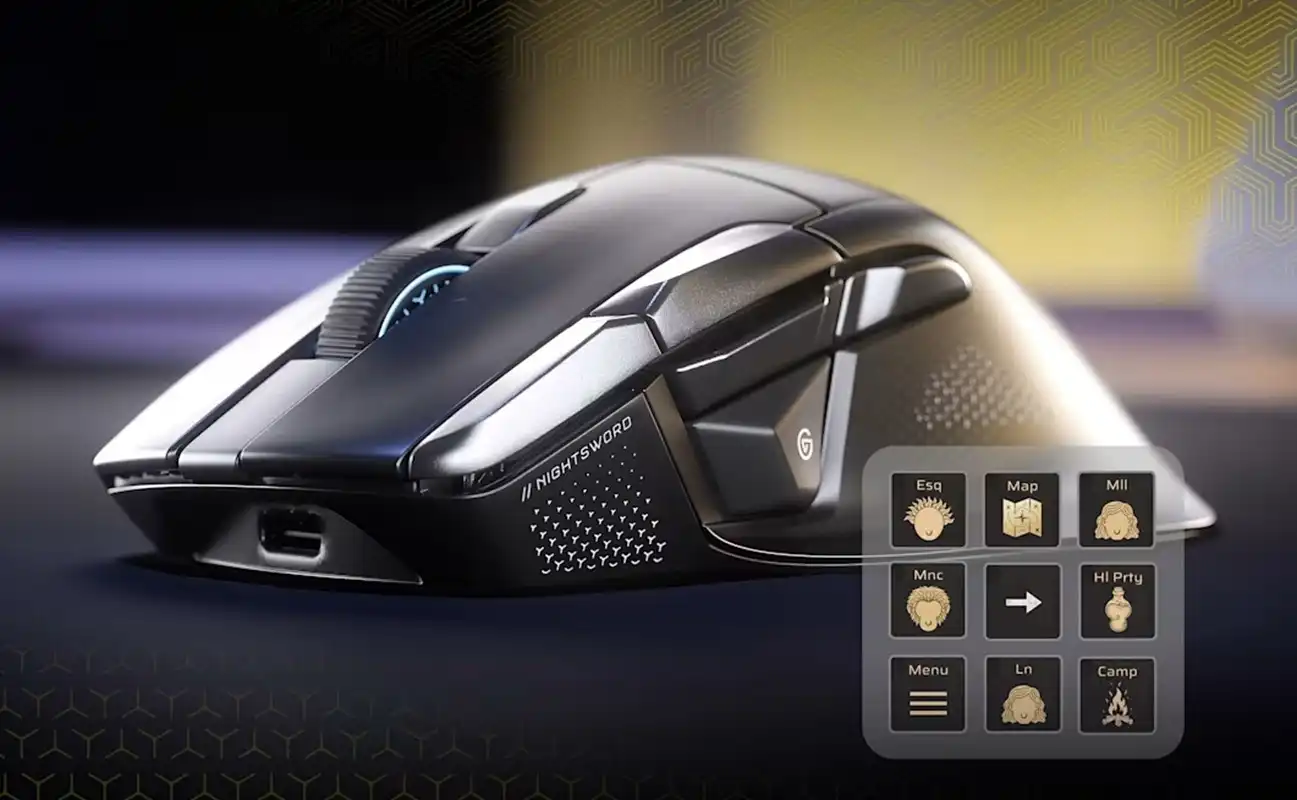
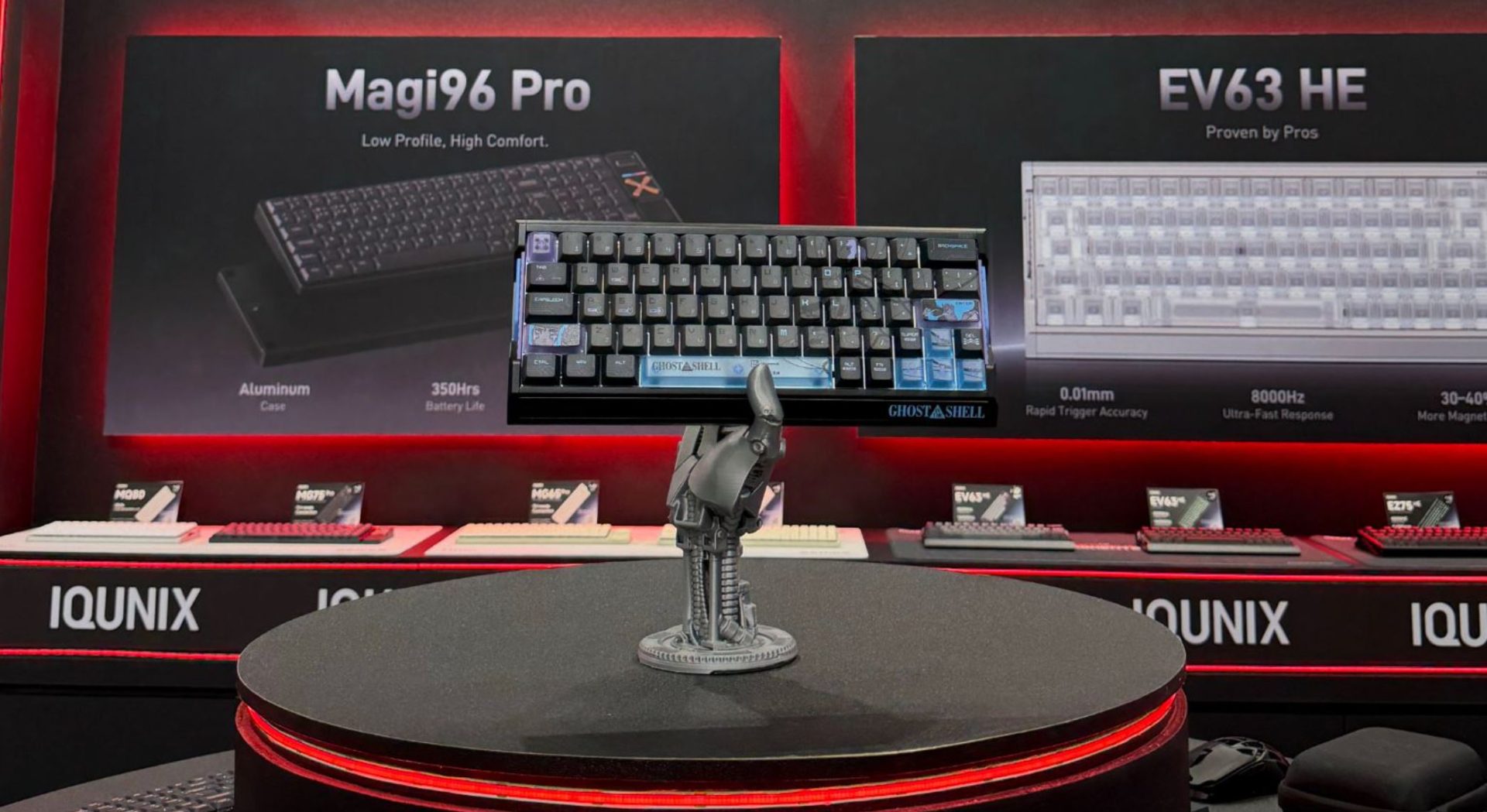
Peripherals in the XPG lineup emphasize lightweight yet durable designs. The Slingshot wireless mouse weighs just 55 grams and delivers up to 42 hours of battery life on its entry-level 4,000 DPI sensor. Meanwhile, the Seeker Wireless keyboard boasts a carbon-fiber decal bezel and membrane keys that charge in six minutes for 34 hours of use. Both peripherals connect via 2.4 GHz RF, ensuring low-latency responsiveness without compromising battery efficiency.
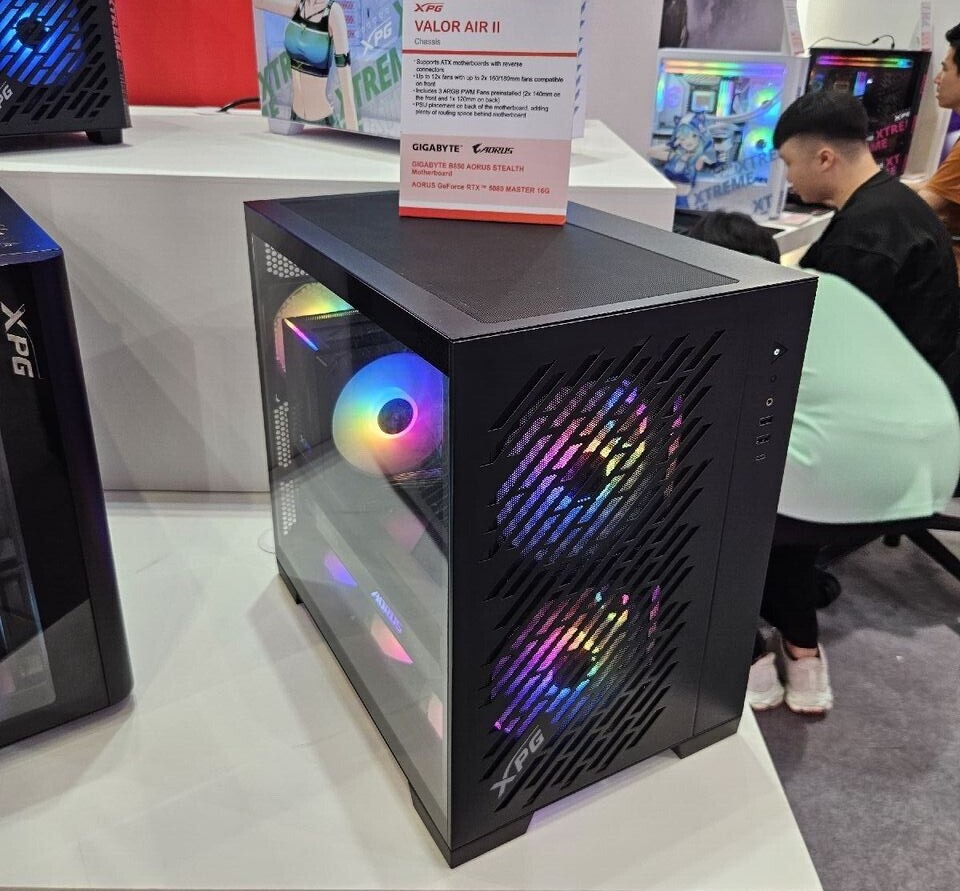
For system builders, ADATA’s Invader X II mid-tower case stands out with its pillarless front-left corner and a continuous tempered glass panel that hinges outward for unobstructed access. The Valor Air II offers an alternative design, featuring a wide-format, vertically partitioned structure that blends mesh-based front intake with a tempered glass side panel, prioritizing airflow while maintaining structural integrity.
What distinguishes these products is their emphasis on real-world usability. The Core Reactor III’s power monitoring, for example, isn’t just about preventing damage—it’s about giving users granular control over their system’s power draw. This could be particularly relevant as GPUs like the RX 9070 XT demand more stable and precise power delivery. Similarly, the Maestro Infinity series bridges the gap between high-performance cooling and visual feedback, making it clear when thermal thresholds are being pushed.
For everyday users, the decision to upgrade will depend on specific needs. Are you building a system that requires fine-tuned power management, or do you prioritize lightweight peripherals with long battery life? The XPG lineup suggests ADATA is betting on both sides of this spectrum, but whether these features translate into noticeable improvements in daily use remains to be seen. Pricing and availability are not yet confirmed, so the true value will depend on how aggressively ADATA positions these products against established competitors.
The next steps for XPG will likely focus on refining these innovations, particularly around power monitoring and cooling integration. As stability and efficiency become just as critical as raw performance in the PC market, this could mark a shift toward more intelligent, user-centric hardware design. If executed well, ADATA’s strategy could set a new benchmark for how hardware is developed and marketed, prioritizing both technical advancements and end-user experience.