Manufacturing is entering a new phase where artificial intelligence isn’t just an option but a necessity. The push to produce more with fewer resources—thinner margins, tighter timelines, and shrinking pools of skilled workers—is driving factories toward AI-driven workflows that can optimize every stage from design to assembly.
At the forefront is NVIDIA’s latest collaboration, announced this week, which integrates its AI platform into production lines. The move signals a shift away from reactive problem-solving toward predictive, self-learning systems that anticipate bottlenecks before they occur. For industries already stretched thin by global supply pressures, this represents a potential turning point in operational efficiency.
NVIDIA’s focus is on reducing waste—material, energy, and labor—while speeding up design cycles through generative AI tools. These tools can translate rough sketches into detailed 3D models or simulate manufacturing processes in real time, cutting weeks off development timelines. The platform also includes digital twin capabilities, allowing factories to run virtual replicas of their production lines to test changes before implementing them physically.
For enthusiasts and early adopters, the details are compelling
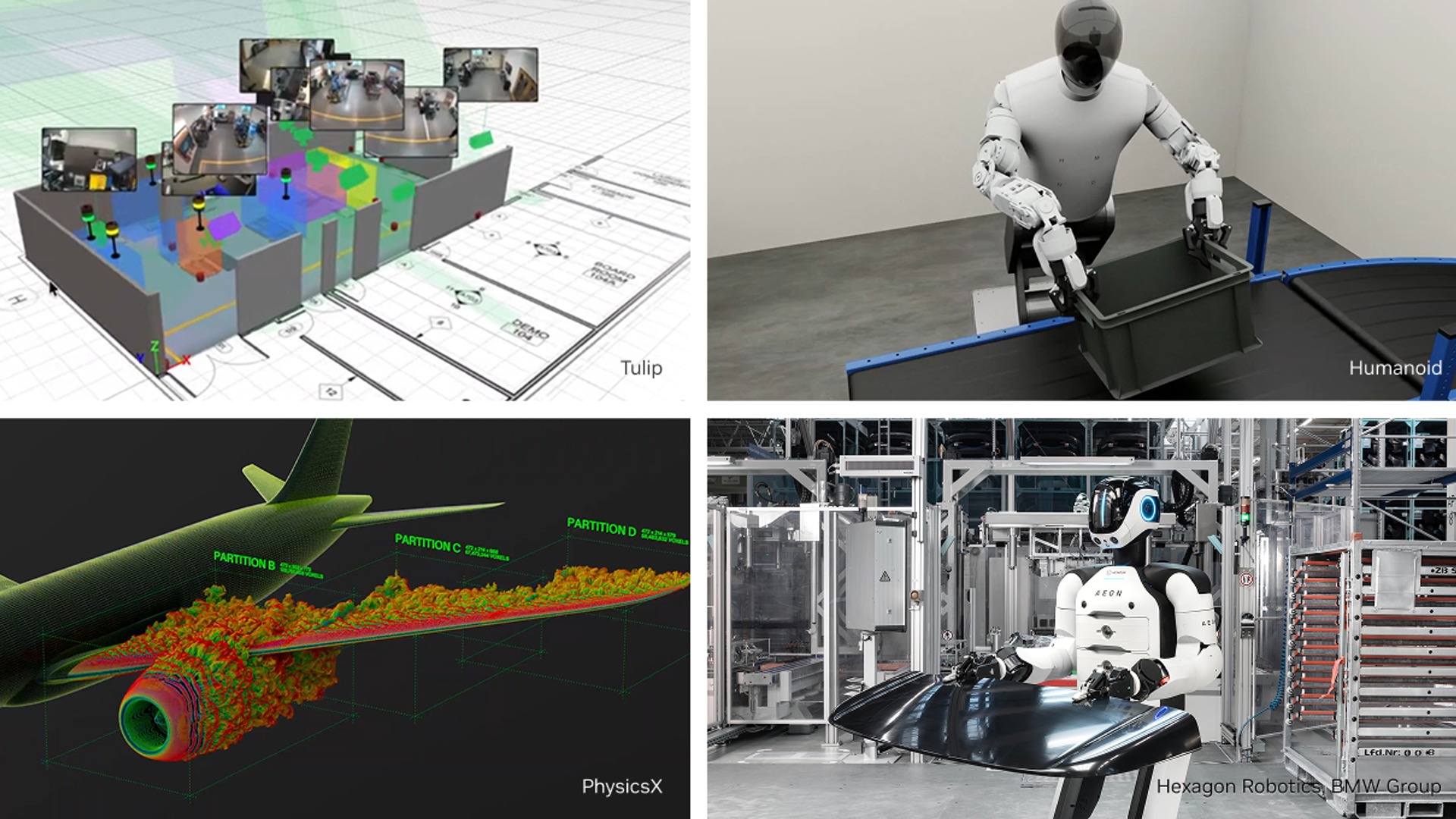
- NVIDIA’s AI Enterprise software now supports real-time anomaly detection on production lines, using computer vision to spot defects or misalignments.
- Generative design tools can generate thousands of potential part geometries in seconds, optimized for manufacturability and material use.
- Digital twin simulations reduce physical prototyping by up to 70%, according to internal benchmarks.
- Edge AI deployment allows factories to process data locally, lowering latency and bandwidth requirements.
For everyday buyers—whether small manufacturers or large enterprises—the real question is scalability. Smaller operations may find the initial setup daunting, while larger players with existing IT infrastructure will see immediate returns in reduced downtime and waste. The key barrier remains expertise: AI-driven manufacturing requires a blend of mechanical engineering knowledge and data literacy that isn’t yet widely available.
Looking ahead, the trend toward AI-augmented production is likely to accelerate as more vendors adopt similar platforms. Pricing for NVIDIA’s solutions starts at $10,000 per year for basic packages, with enterprise tiers scaling based on usage and complexity. Availability is expected within the next 6–9 months, targeting industries where precision and speed are critical—automotive, aerospace, and electronics leading the charge.
The shift isn’t just about machines; it’s about redefining how humans interact with production systems. Future workers will spend less time on repetitive tasks and more on oversight and innovation—a transition that could reshape job roles as dramatically as AI has reshaped consumer technology over the past decade.