AMD has rolled out a significant driver update, expanding its software support to include the latest Ryzen AI mobile processors. This marks a notable shift in how developers approach GPU and CPU integration, particularly for systems leveraging AMD's AI capabilities.
The new AMD Software Adrenalin Edition 26.1.1 WHQL drivers introduce compatibility with several Ryzen AI processors, including the Ryzen AI 9 HX 475, Ryzen AI 9 HX 470, Ryzen AI 9 465, Ryzen AI 7 450, Ryzen AI 7 445, Ryzen AI 5 435, and Ryzen AI 5 430. This expansion signifies a broader push towards AI-enhanced mobile computing, likely targeting developers and enterprises looking to integrate advanced AI features into their workflows.
In addition to processor support, the update introduces new game compatibility for Starsand Island and Avatar: Frontiers of Pandora - From the Ashes Edition. These additions suggest a growing emphasis on both professional and consumer applications, with a focus on delivering seamless performance across diverse workloads.
The driver package also includes several fixes aimed at improving stability and rendering accuracy. Notable corrections address issues such as incorrect shadow rendering in Call of Duty: Black Ops 7, texture corruption in Enshrouded, and launch failures in Diablo IV when using non-English usernames. These fixes are particularly relevant for developers working on games that rely heavily on advanced graphics features.
AMD has also resolved rendering issues in Microsoft Flight Simulator 2024 and Baldur's Gate 3, as well as crashes related to Unreal Engine 5.6 with Lumen HWRT enabled. These improvements are critical for developers who depend on robust engine support for their projects.
Despite the progress, known issues remain. For instance, intermittent crashes or driver timeouts in Cyberpunk 2077 with Path Tracing enabled continue to plague users. Similarly, instability in Battlefield 6 on Ryzen AI 9 HX 370 systems and texture flickering during Record & Stream sessions are still under investigation. AMD has stated that it is actively working on resolutions for these problems, indicating a commitment to ongoing improvement.
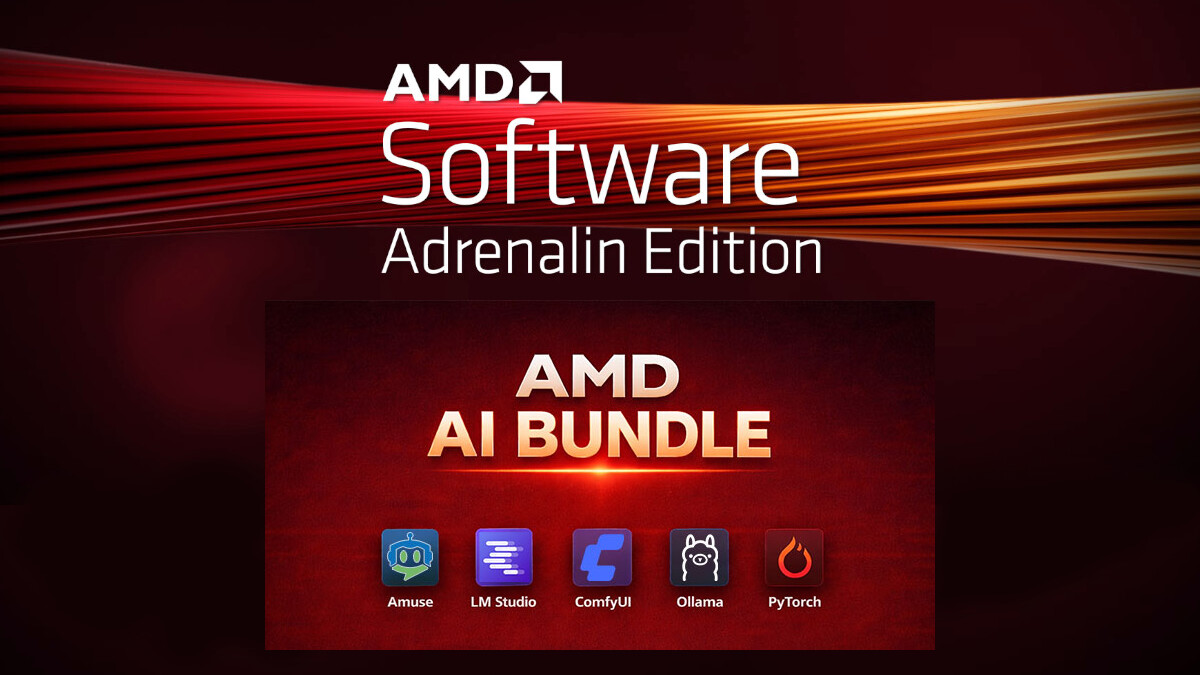
The update also introduces an optional installation of the AMD AI Bundle, which likely includes a suite of tools designed to enhance AI-related tasks. This feature could be particularly useful for developers and enterprises looking to integrate advanced AI capabilities into their systems without requiring extensive manual configuration.
For administrators managing large-scale deployments, this driver update brings several considerations. The expanded processor support means that new hardware configurations will need to be tested thoroughly to ensure compatibility with existing workflows. Additionally, the inclusion of the AMD AI Bundle as an optional component suggests a modular approach to software deployment, allowing for greater flexibility in how AI features are integrated into systems.
Looking ahead, this update sets the stage for further advancements in AMD's driver support ecosystem. The focus on both new hardware and game compatibility indicates a strategic push towards delivering comprehensive solutions that cater to a wide range of use cases, from professional development environments to consumer gaming experiences.