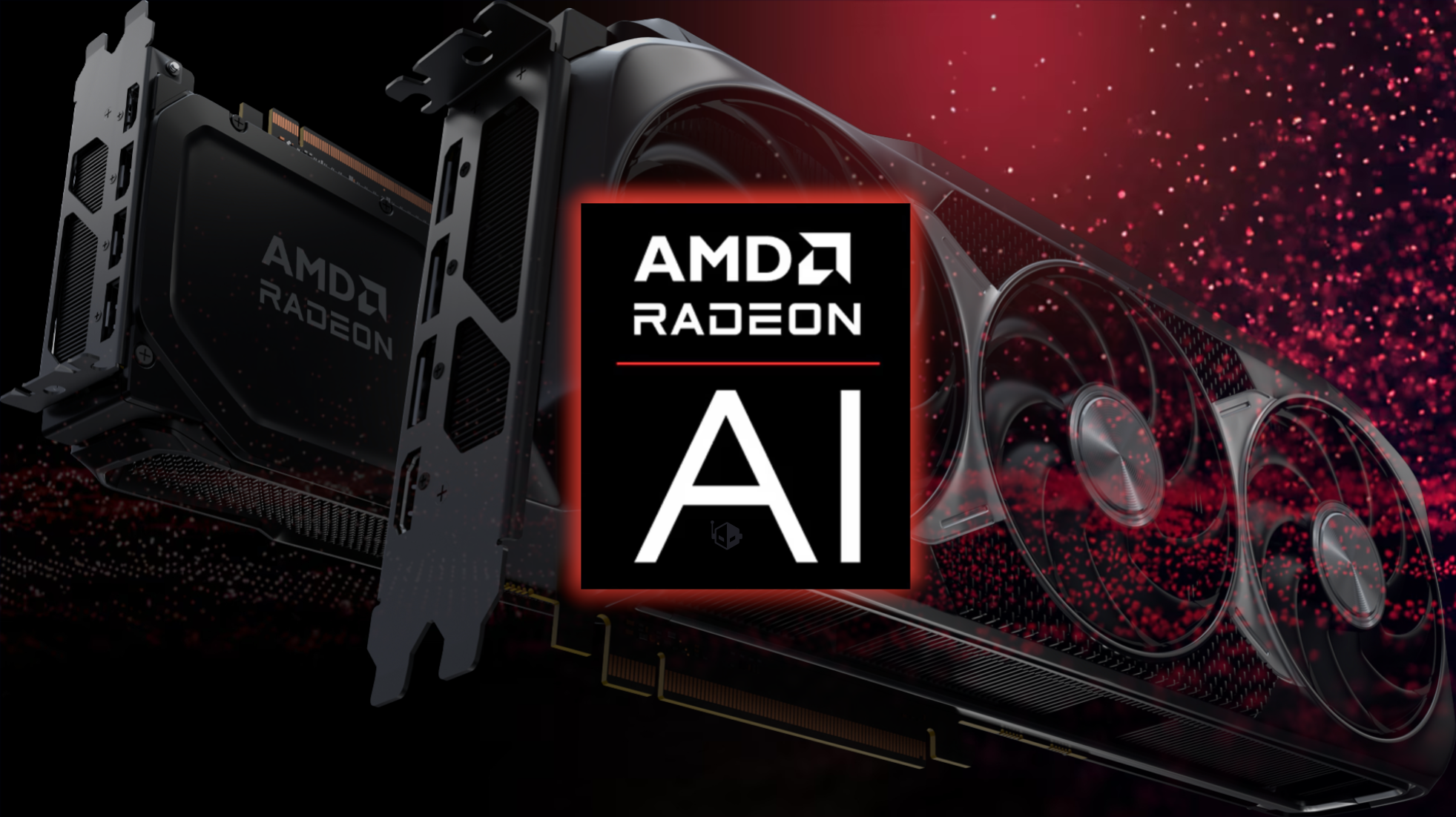
AMD’s Radeon GPU ecosystem is on of another price escalation, with partners poised to implement a second wave of increases this quarter. The move follows January’s initial adjustments—ranging from 5% to 10%—and signals a deliberate shift to match the inflated pricing of NVIDIA’s competing graphics cards.
The latest developments underscore a broader industry challenge: DRAM supply constraints continue to ripple through the hardware market, forcing manufacturers to recalibrate pricing structures. While exact figures remain unconfirmed, early indications suggest the next round of hikes could mirror January’s scale, though some reports hint at a more aggressive approach to close the perceived gap with NVIDIA’s already elevated retail prices.
This isn’t an isolated incident. Since the start of 2026, both AMD and NVIDIA GPUs have seen repeated price surges, with distributors and retailers stockpiling inventory to mitigate losses. The result? A self-reinforcing cycle where artificial shortages and speculative buying drive prices higher, leaving consumers with fewer options and steeper costs.
The Domino Effect: How We Got Here
January’s price hikes were the first major adjustment in months, directly tied to the cost of memory modules. With DDR5 and GDDR6 prices still volatile, manufacturers passed along the burden to retailers, who in turn absorbed the increases into their own pricing. Now, as partners prepare for another round, the strategy appears to be less about reacting to supply shocks and more about strategic alignment.
NVIDIA’s GPUs have long commanded premium pricing, particularly in the high-end segment, where models like the RTX 5090 have seen retail prices balloon well beyond their original MSRPs. AMD’s response? A calculated effort to bring Radeon cards into closer parity, ensuring that competing architectures don’t leave a significant price-performance gap. For consumers, this means Radeon GPUs—already above MSRP in many cases—could soon mirror the same level of markup.
What This Means for Buyers
The immediate impact for gamers and content creators is clear: higher costs with no immediate relief in sight. The timing of the next wave—expected between February and March—coincides with traditional seasonal shifts in hardware demand, which could exacerbate shortages if retailers hesitate to restock at elevated prices.
For those planning high-end builds, the news is particularly stark. A system combining a Ryzen 9 9950X3D or Ryzen 9 7950X3D with a top-tier Radeon GPU (such as the RX 7900 XTX or RX 7900 GRE) could see further cost increases, especially if memory prices continue their upward trajectory. Even mid-range configurations, like the recently spotlighted Micro Center bundle pairing a Ryzen 9850X3D with 32 GB DDR5 RAM and an X870 motherboard for $699, may face upward pressure on individual components.
Looking ahead, the outlook remains uncertain. While industry analysts speculate that prices could peak by late 2027 before stabilizing in 2028, the current DRAM and NAND crisis shows few signs of abating. Until supply chains normalize—or manufacturers find alternative solutions—consumers should expect continued volatility in GPU pricing.
The bottom line? AMD’s move to align Radeon prices with NVIDIA’s isn’t just about recouping costs; it’s a reflection of a market where supply constraints dictate retail strategies. For now, the only certainty is that the cost of high-performance graphics will keep climbing.