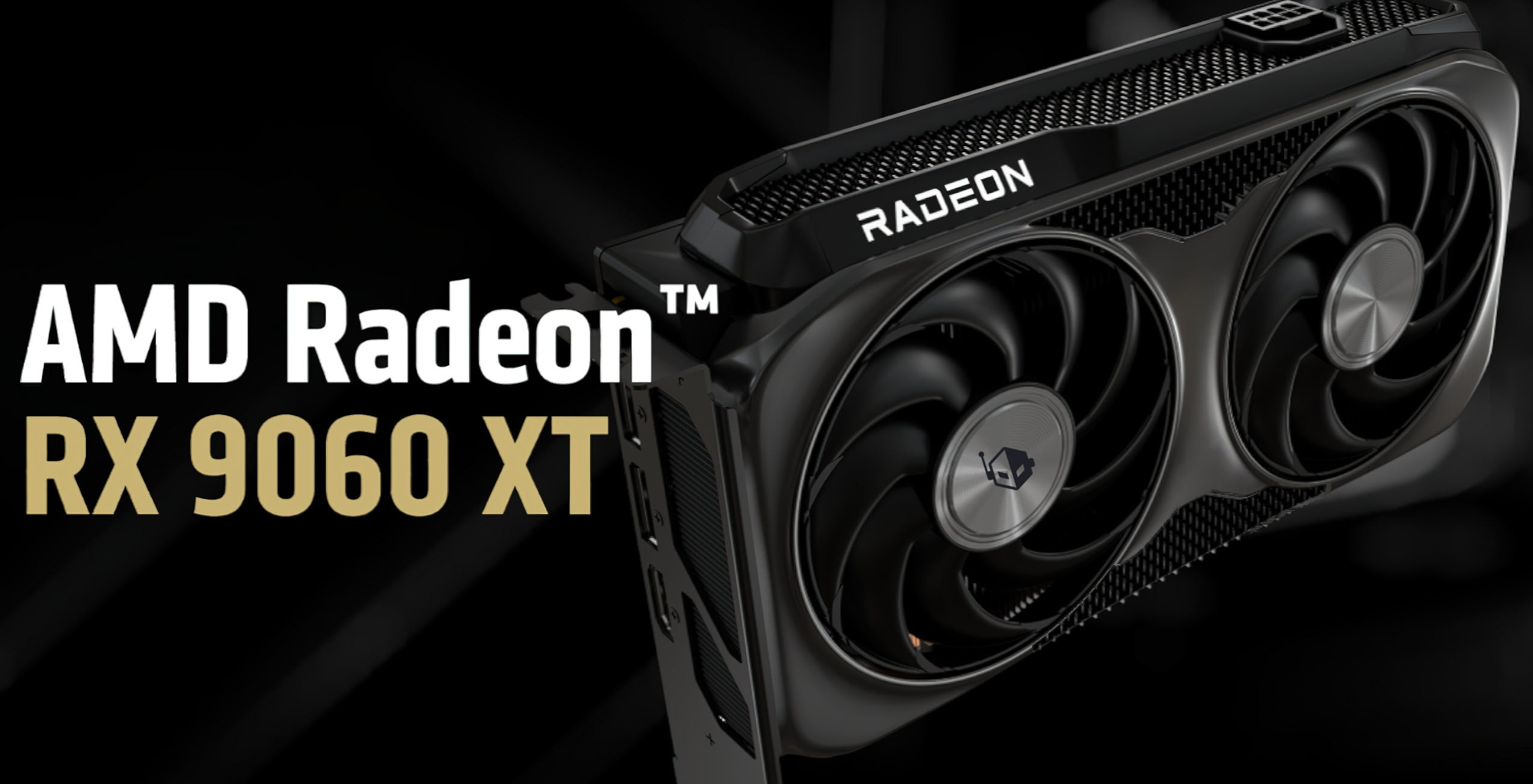
AMD’s GPU roadmap is undergoing a significant shift, with the company now focusing heavily on 8GB graphics cards—a strategy that mirrors NVIDIA’s recent adjustments. The decision comes amid soaring DRAM prices and mounting pressure from board partners, who are reportedly preparing for another round of price hikes in the coming weeks.
The shift isn’t limited to AMD’s latest RDNA 4 lineup. Sources suggest the company will also emphasize older models, including the 8GB Radeon RX 9060 XT and the RDNA 3-based RX 7650 GRE, a card initially exclusive to Chinese markets. With DRAM costs quadrupling over the past year, manufacturers have little choice but to rethink their product strategies.
Why 8GB GPUs Now?
The push toward 8GB GPUs is a direct response to economic realities. Current DRAM shortages and inflated prices have made it nearly impossible for AMD—or NVIDIA—to sustain near-MSRP pricing for 16GB models. The RX 9060 XT 16GB, for example, already sits at $400–$500 on major retailers, a far cry from its original launch price. If the rumored price hike materializes, it could close the gap with NVIDIA’s RTX 5060 Ti 16GB, which has ballooned to nearly $700 in some regions.
For AMD, the RX 9060 XT 8GB and RX 7650 GRE represent more affordable entry points, but even these are expected to rise. The RX 7650 GRE, currently priced under $400, may soon approach that threshold, while the 8GB RX 9060 XT could follow suit. The trend raises questions about whether AMD’s budget GPUs will remain viable for gamers on tight budgets.
Broader Market Implications
The focus on 8GB GPUs isn’t just about cost—it’s also about market positioning. With NVIDIA’s RTX 50 series already commanding premium pricing, AMD’s strategy appears designed to compete in the mid-range segment while avoiding direct head-to-head battles in the high-end. However, the shift could leave some gamers struggling to find GPUs that balance performance and price, particularly for titles demanding more than 8GB of VRAM.
For now, the RX 9070 and RX 9070 XT remain the flagship options in AMD’s lineup, but their 16GB configurations are likely to face similar upward pressure. Whether this strategy stabilizes prices or further inflates the market remains to be seen—but one thing is clear: the GPU landscape is becoming more expensive for everyone.
Key Specs: Affected GPUs
- Radeon RX 9060 XT (8GB) – Expected to see price adjustments as demand shifts toward 8GB models.
- Radeon RX 7650 GRE (8GB) – Originally China-exclusive; now poised for broader availability at a higher price.
- Radeon RX 9070/XT (16GB) – Likely to face indirect pressure as 8GB variants take center stage.
- GeForce RTX 5060 Ti (16GB) – Already priced near $700, serving as a benchmark for AMD’s upcoming adjustments.
The changes reflect a broader industry trend: as DRAM costs rise, manufacturers are forced to reallocate resources toward more cost-effective configurations. For consumers, this means careful consideration of VRAM needs—especially for next-gen games that may push hardware requirements even higher.
Availability and exact pricing remain unconfirmed, but the signs point to another challenging quarter for GPU buyers. Those in the market for new hardware should monitor retail listings closely in the coming weeks.