AMD’s latest software update marks a quiet but deliberate evolution in how it packages its gaming technologies. The company has folded its Anti-Lag 2 feature into the FSR framework, rebranding it as 'FSR Latency Reduction 2.0.' This isn’t just a name change—it reflects AMD’s strategy to unify its performance tools under a single branding structure, though no official announcement has accompanied the shift.
The move aligns with a broader trend where AMD is consolidating its FidelityFX-related features into the FSR ecosystem. Previously, Anti-Lag 2 operated independently alongside other FSR modules like Upscaling and Frame Generation. Now, it sits as one of five core components in the FSR 'Redstone' suite, which includes
- FSR Latency Reduction 2.0: Focuses on reducing input lag by improving CPU-GPU synchronization, particularly useful for synthetic frames.
- FSR Upscaling: Maintains its role in rendering higher-resolution images without native performance loss.
- FSR Frame Generation: Uses AI to generate intermediate frames for smoother gameplay.
- FSR Ray Regeneration: Enhances ray-traced visuals by reconstructing rays between frames.
- FSR Radiance Caching (technical preview): Accelerates lighting calculations for improved performance.
The integration suggests AMD is treating latency reduction as a critical part of its broader upscaling and frame-generation ecosystem. While Anti-Lag 2 could function on its own, its new placement within FSR hints at deeper coordination between these technologies, potentially leading to more consistent performance improvements when used together.
Developer Implications
For developers, the change simplifies adoption by reducing fragmentation. The 'Redstone' suite now offers five distinct modules targeting different aspects of gaming performance—from resolution scaling to frame generation and latency reduction. This consolidation means studios can implement multiple FSR features simultaneously without managing separate SDKs or branding, streamlining development workflows.
However, the lack of an official announcement means developers must rely on SDK updates or leaks for information. The current FSR SDK 2.2 already reflects these changes, incorporating FSR 4.1 upscaling and other advancements. Whether AMD will continue this approach or formalize future updates remains unclear, but the trend toward unified branding is evident.
Gamer Impact
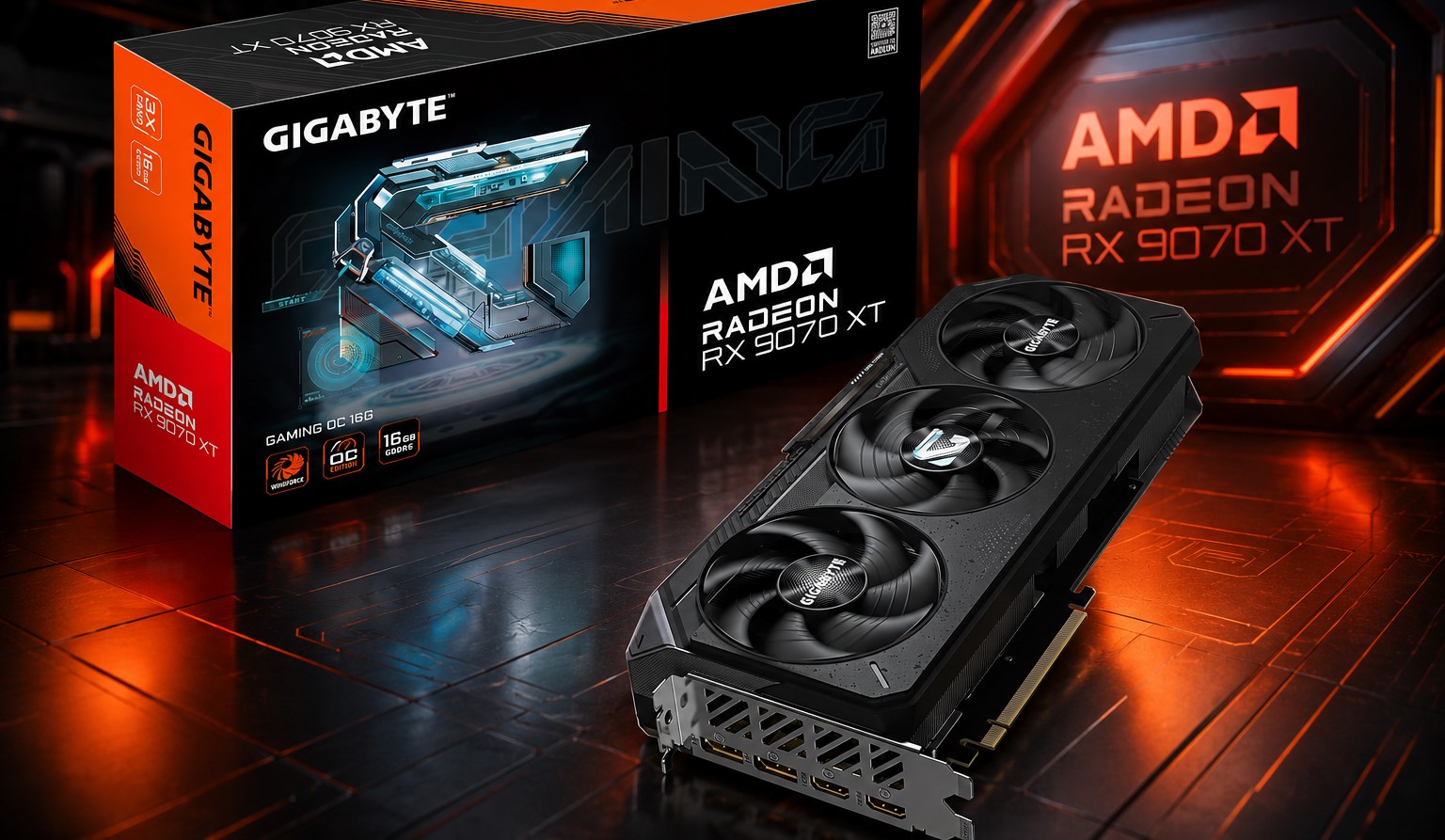
For gamers, the impact may be incremental but meaningful. Features like latency reduction are often overshadowed by resolution scaling or frame generation, yet they play a crucial role in competitive or fast-paced games. With FSR Latency Reduction 2.0 now part of the official suite, users on RDNA 3 hardware—such as the RX 9070 XT and upcoming RX 9060 XT—can expect more cohesive performance improvements without additional complexity.
Looking Ahead
AMD’s FSR ecosystem is evolving quietly but deliberately. The consolidation of Anti-Lag 2 into 'FSR Latency Reduction 2.0' signals a shift toward deeper integration, though the absence of formal announcements leaves some uncertainty about future updates. For now, developers should monitor SDK releases for further refinements, while gamers can look forward to more streamlined performance enhancements in supported titles.