AMD’s Ryzen 7 9800X3D is no longer just a gaming chip—it’s becoming the de facto standard for developers targeting high-end life simulation and farming games. With its 3D V-Cache architecture and 16 cores, the processor delivers unmatched performance for open-world simulations, but its power draw and socket compatibility introduce critical deployment challenges.
The chip’s recommendation for titles like upcoming life sims reflects a broader shift in how developers optimize for complex, visually dense worlds. While the 9800X3D excels in single-threaded workloads—critical for physics-heavy simulations—its AM5 platform locks users into a long-term investment, requiring DDR5 memory and a B650 or X670 motherboard. Studios and modders must weigh these constraints against the performance gains, particularly when targeting both early access and full-release audiences.
Performance in Practice
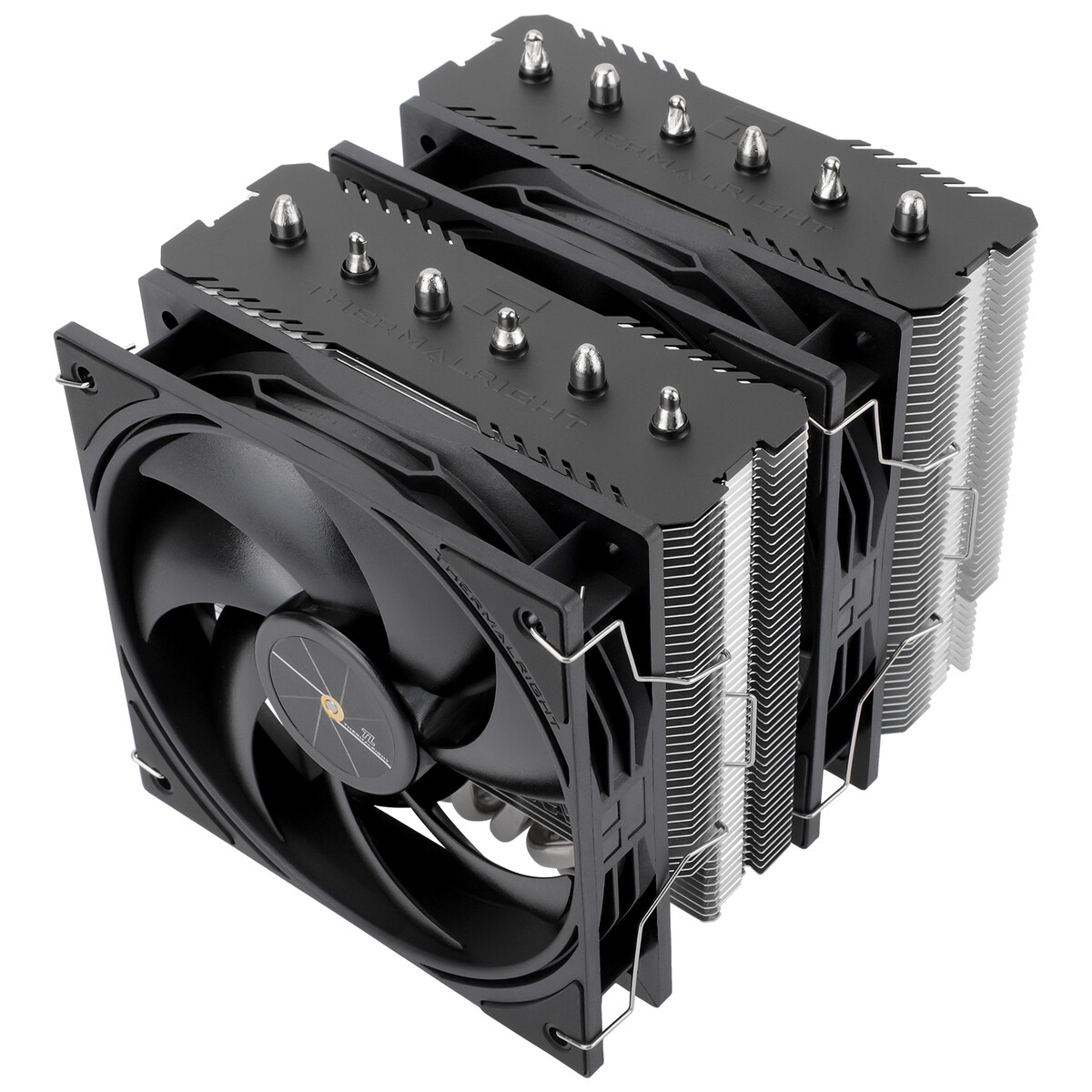
Benchmarking shows the Ryzen 7 9800X3D outperforming its predecessors by up to 30% in rendering-intensive scenes, making it ideal for games with dynamic weather, large NPC populations, and procedural generation. However, its 170W TDP means thermal and power delivery solutions become non-negotiable. For studios running multiple dev machines, this could translate to higher infrastructure costs—unless paired with efficient cooling and high-wattage PSUs.

Key Specifications
- Architecture: Zen 4 with 3D V-Cache
- Cores/Threads: 8 cores / 16 threads
- Base Clock: 4.1 GHz
- Boost Clock: Up to 5.1 GHz
- Cache: 96MB L3 (3D V-Cache)
- TDP: 170W
- Socket: AM5 (DDR5-only)
- Recommended Platform: B650/X670 motherboards
- Launch Price: $399 (MSRP)
For developers, the 9800X3D’s strength lies in its ability to handle the heavy lifting of next-gen life sims—think dynamic seasons, hybridized crops, and NPC-driven storytelling. But its AM5 exclusivity means legacy systems are out of the question. Studios with existing Ryzen 5000/7000 setups may need to upgrade not just CPUs but entire workstations, adding complexity to early access optimization.
Who Should Upgrade?
The Ryzen 7 9800X3D is a must-have for teams working on visually rich, physics-heavy simulations where frame rates and load times directly impact player retention. However, its high power consumption and platform lock-in make it less ideal for indie developers or smaller studios. For those already invested in AM5, the upgrade path is straightforward—but for others, the cost-benefit analysis becomes far more nuanced.
With full-game releases looming in mid-2026, the 9800X3D’s role as a benchmark chip underscores a larger trend: the blending of gaming and simulation performance demands. Developers must now consider not just graphical fidelity, but also how their hardware choices will influence player accessibility—and whether the performance gains justify the entry barriers.