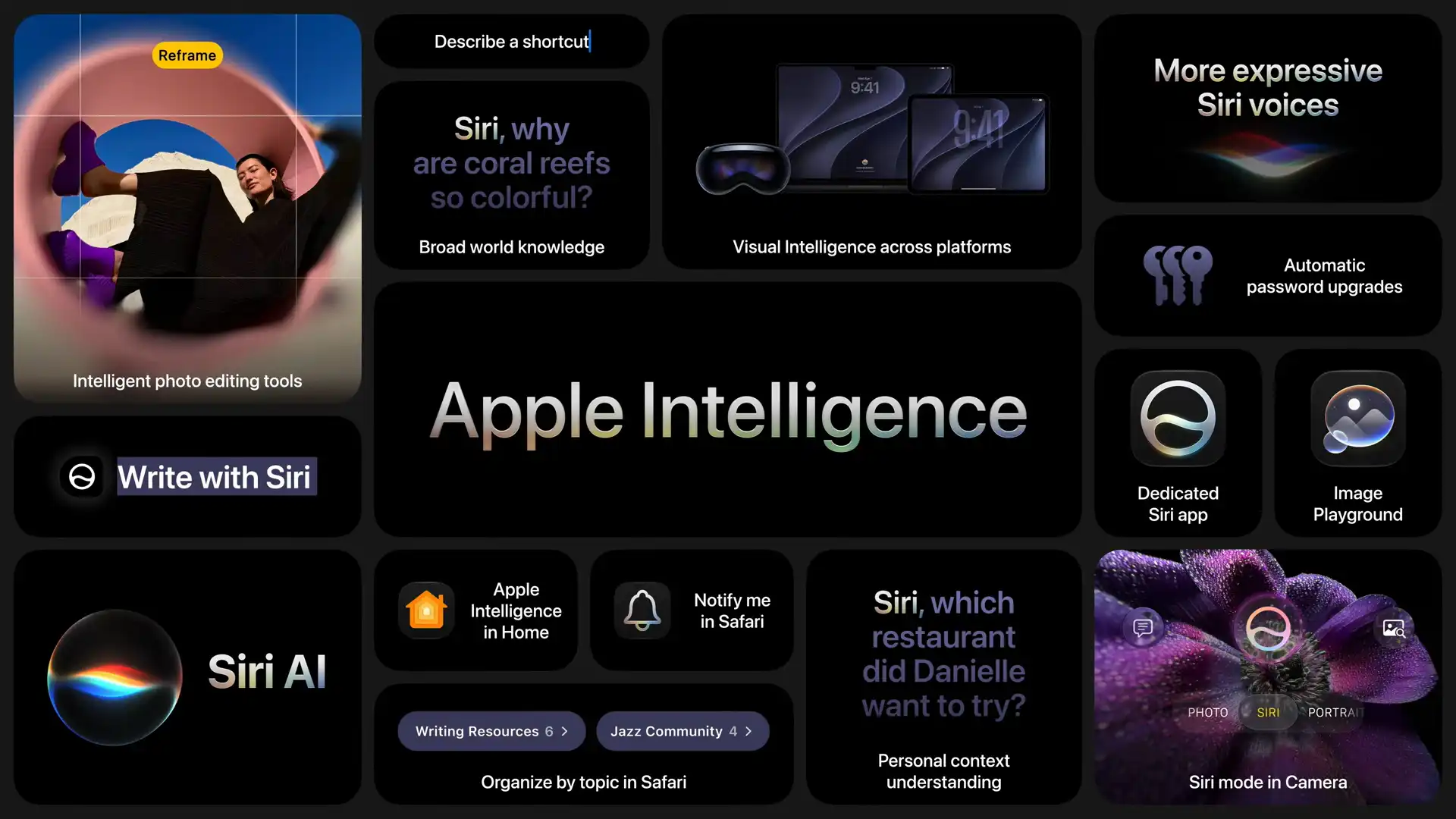
Apple has unveiled an AI-powered Passwords app that can automatically replace weak or compromised credentials—without user intervention. The move is ambitious, but it also introduces a potential privacy paradox: trusting AI agents with sensitive data while relying on a cloud infrastructure still under scrutiny.
The feature, part of Apple’s broader Apple Intelligence push, leverages Privacy Cloud Compute—a set of end-to-end encrypted servers designed to process personal data without retention or third-party access. If successful, it could redefine how users interact with AI in sensitive tasks like password management and financial data analysis. However, the long-term security of this model remains unproven.
Key specs
- AI automation: Passwords app can detect and replace weak/compromised passwords using on-device or cloud-based AI agents.
- Privacy Cloud Compute: End-to-end encrypted, no data retention for training, and claims to block access even from Apple itself.
- Research transparency: Architecture open to independent audits; white papers detail technical safeguards.
The core challenge lies in balancing convenience with risk. While Apple’s iCloud has a strong privacy track record, Privacy Cloud Compute is a new proposition—one that will need rigorous real-world testing before users can fully trust it for high-stakes tasks like financial data analysis or message searches via Siri AI.
Competitive context
Other tech giants have experimented with AI-driven password management, but Apple’s approach stands out by framing privacy as a competitive advantage. The question is whether Privacy Cloud Compute can deliver on its promises without introducing new vulnerabilities. If it succeeds, the feature could set a precedent for more agentic AI tools in security and productivity.
What’s at stake
The biggest risk is compatibility: users who rely on Apple’s ecosystem will benefit first, but third-party integrations or non-iOS devices may face friction. Meanwhile, the broader AI landscape remains cautious about cloud-based agentic systems, making this a critical test for Apple’s long-term trustworthiness.
Looking ahead
The real impact won’t be clear until Privacy Cloud Compute is independently verified and adopted at scale. For now, power users should treat this as an intriguing experiment rather than a proven solution—one that could either strengthen Apple’s AI leadership or expose its limits in handling sensitive data.