Apple’s latest wireless earbud lineup is structured around two distinct tiers: the standard AirPods 4, positioned as an entry-level option, and the more advanced AirPods Pro 3, designed for users seeking enhanced audio quality and noise cancellation. Pricing for both models has been adjusted to make them more accessible, with discounts reaching up to 22% off the original retail price.
The standard AirPods 4 start at $99.99, while the AirPods Pro 3, known for its active noise cancellation and transparency mode, are priced slightly higher but still within a competitive range. This pricing strategy reflects Apple’s attempt to balance affordability with performance, catering to both casual listeners and those who prioritize audio fidelity.
The AirPods Pro 3 includes additional features such as adaptive EQ for a personalized listening experience, spatial audio, and a customizable fit with three silicone tips. These enhancements are designed to elevate the user experience, making it a strong contender in the premium earbud market. However, the standard AirPods 4 remain a viable option for those who do not require these advanced features.
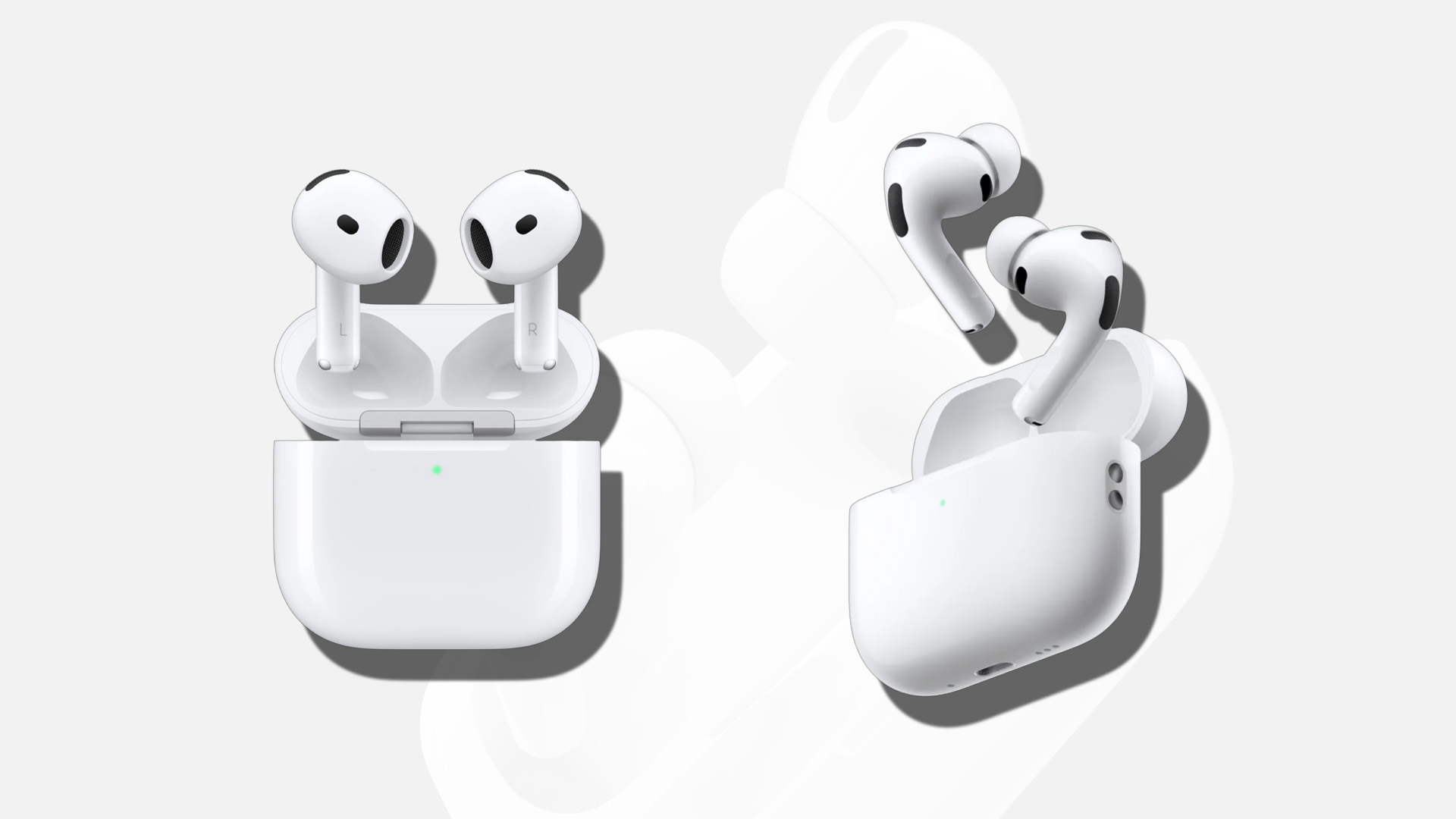
This dual-tiered approach allows Apple to address a wider segment of the market without compromising on quality or innovation. It also positions the company favorably against competitors who may offer similar performance at comparable price points, ensuring that Apple maintains its leadership in the wireless audio space.
For potential buyers, this strategy means having more choices without significant sacrifices in terms of performance or brand reputation. The discounts make it an opportune time to invest in either model, depending on individual needs and preferences. As the market continues to evolve, Apple’s ability to adapt its offerings while maintaining high standards will be crucial in sustaining its dominance.