Apple’s Display Innovation: A Focus on Efficiency
For years, Apple has been at the forefront of mobile display technology, consistently pushing boundaries in terms of color accuracy, brightness, and power consumption. As the company prepares for new iterations of its flagship devices – including the rumored iPhone Fold and the next generation iPhone Air – it appears to be exploring innovative approaches to further refine these critical aspects. Recent reports suggest a pivotal shift is underway, centered around Samsung’s Color Filter on Encapsulation (CoE) OLED technology.
Understanding CoE OLED Technology
Traditional OLED display manufacturing involves layering organic compounds – the light-emitting materials – between an anode and a cathode. This process often results in significant thicknesses, impacting device design and potentially increasing power consumption. Samsung’s CoE OLED represents a breakthrough by integrating color filters directly into the encapsulation layer of the OLED panel. Instead of having a separate filter layer, the color filtering is built-in during the manufacturing process.
- Reduced Layer Count: This integration dramatically reduces the number of layers within the display stack, leading to thinner overall panel designs.
- Enhanced Light Efficiency: By minimizing light loss due to multiple layers, CoE OLED can deliver significantly brighter images with the same amount of power.
- Improved Color Accuracy: The direct integration allows for more precise color control and potentially enhanced color gamut performance.
Apple’s Strategic Adoption
According to industry analysis, Apple is planning to implement CoE OLED across several key product lines. Specifically, the iPhone Fold – Apple's first foray into foldable smartphone design – and the anticipated iPhone Air 2 are slated to utilize this technology. This decision underscores a commitment to optimizing display performance and addressing potential challenges associated with the foldable form factor, where increased panel thickness can be a significant hurdle.
Impact on the iPhone Fold
The iPhone Fold has been met with considerable anticipation, largely due to its innovative design. However, concerns have arisen regarding potential compromises in display quality and efficiency. The implementation of CoE OLED directly addresses these concerns, promising a thinner, brighter, and more power-efficient foldable experience. A slimmer profile would also contribute to improved ergonomics and overall device usability.
The iPhone Air 2: An Evolution of Design
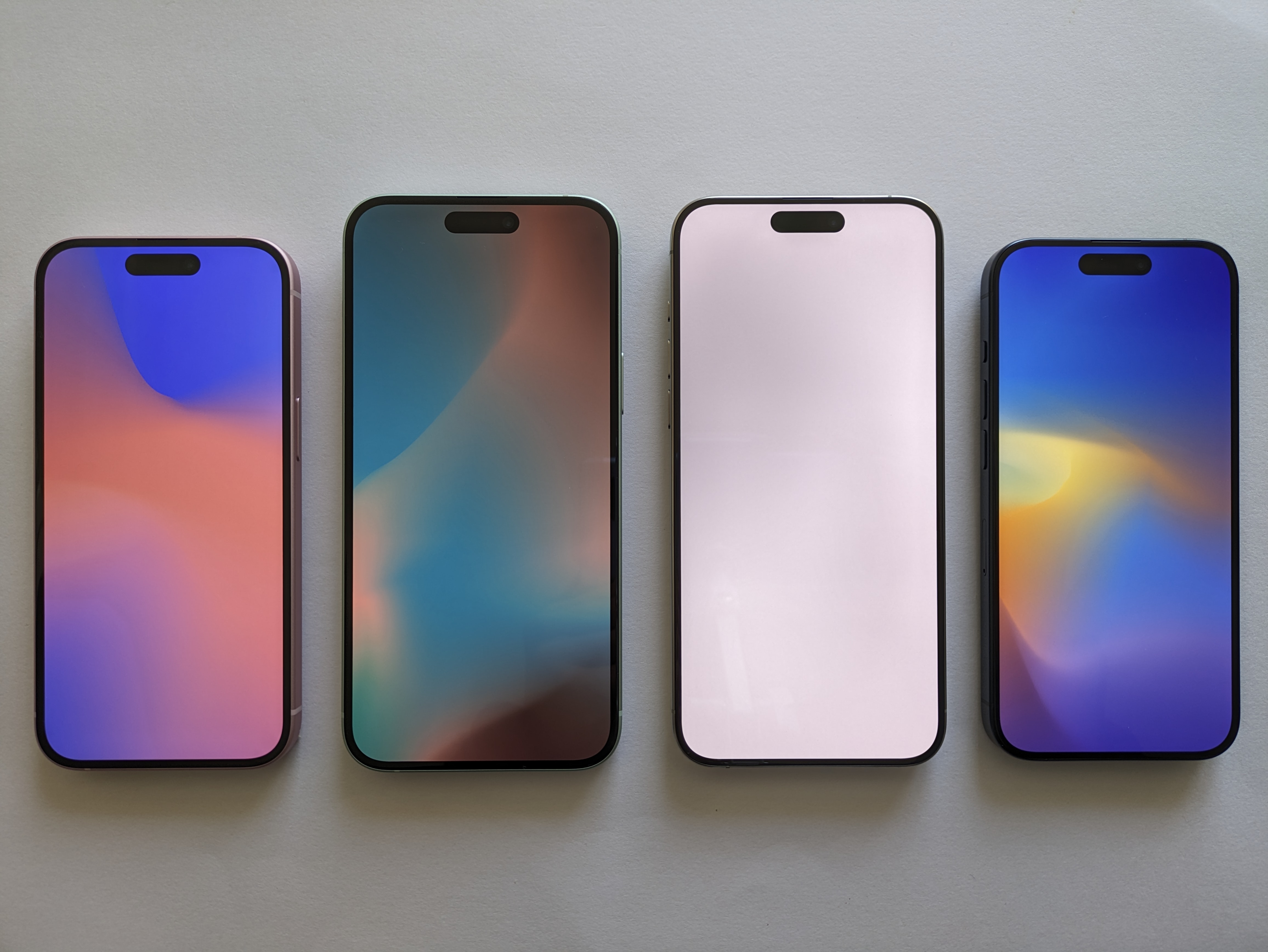
The iPhone Air series is known for its focus on premium materials and a sleek design aesthetic. The introduction of CoE OLED in the iPhone Air 2 suggests Apple’s ongoing efforts to elevate the display performance of this popular model. This could translate into enhanced outdoor visibility, improved color reproduction, and potentially a more refined visual experience – key elements that contribute significantly to the overall user perception of a high-end smartphone.
Broader Implications for Display Technology
Apple’s decision to adopt CoE OLED is not merely about improving its own devices. It has significant implications for the broader display industry. The technology's potential benefits – reduced manufacturing costs, improved performance, and increased design flexibility – could accelerate its adoption across various sectors, including televisions, wearables, and automotive displays.
Efficiency Gains: A Critical Driver
Display efficiency is a critical factor in mobile device battery life. With consumers increasingly demanding longer-lasting devices, Apple's focus on CoE OLED aligns with this trend. The technology’s ability to deliver brighter images while consuming less power directly translates into improved battery performance and reduced charging frequency.
Looking Ahead: Display Innovation at Apple
Apple’s continued investment in display technology is a testament to its commitment to delivering cutting-edge user experiences. The adoption of CoE OLED represents a strategic move that addresses key challenges associated with current display manufacturing techniques. As the iPhone Fold and Air 2 approach their anticipated release dates, industry observers will be keenly watching to see how effectively Apple leverages this innovative technology and whether it sets a new benchmark for display performance in smartphones.