Apple’s next major product cycle is under threat from a supply chain bottleneck that could force customers to pay significantly more for flagship devices. While the company has historically secured year-long memory agreements, new reports suggest Apple has only locked in DRAM supplies through the first half of 2026. If no further deals are finalized, the iPhone 18 series—particularly models with higher storage configurations—could see price hikes as early as mid-year.
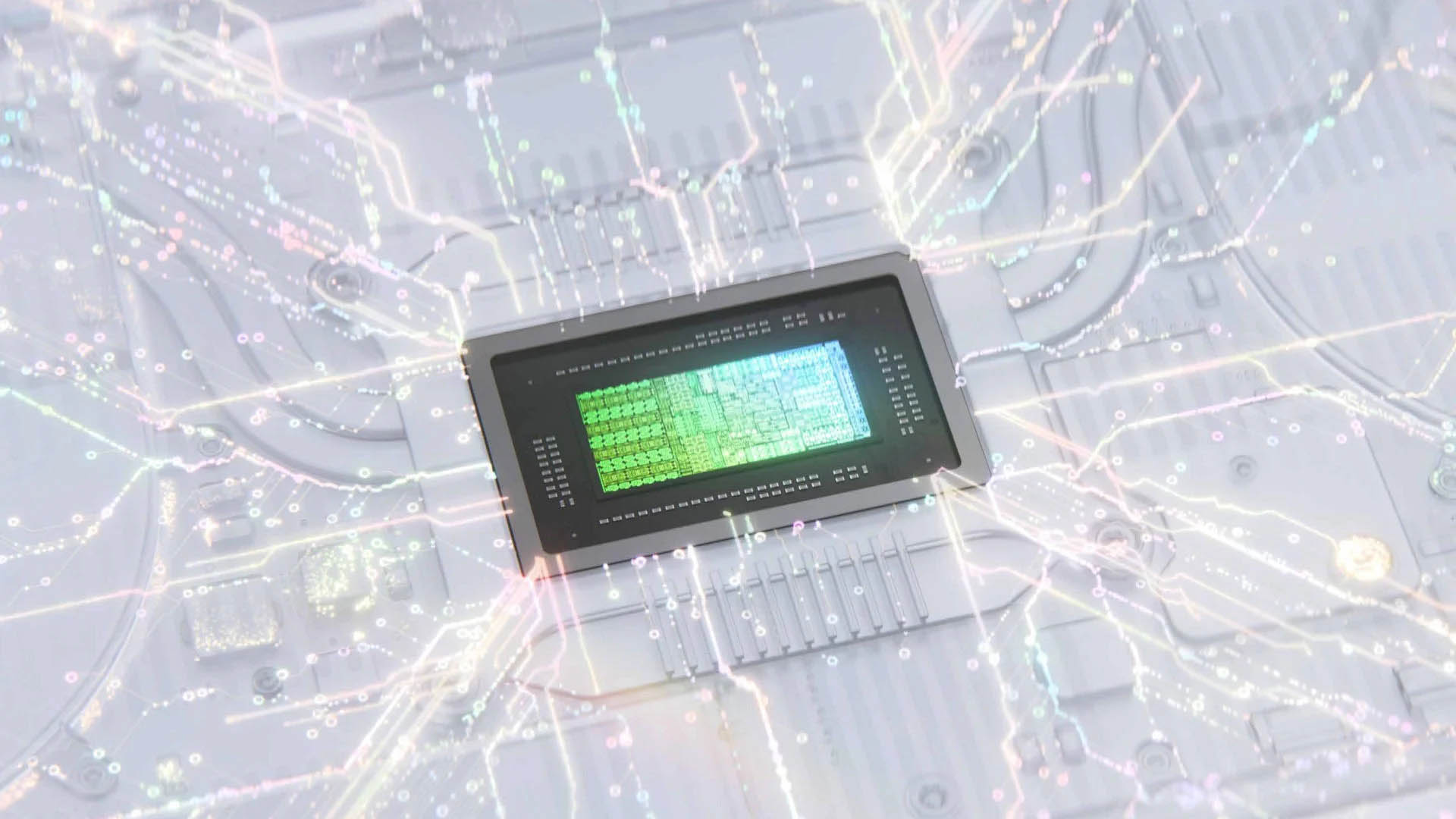
Current pricing for 12GB LPDDR5X RAM modules, a staple in Apple’s premium devices, has already ballooned to $70 per unit, a 230% increase from early 2025. Industry analysts warn that without long-term contracts, the cost of mobile DRAM and NAND flash memory could rise by as much as 70% and 100%, respectively, by year’s end. For Apple, which relies on these components for everything from iPhones to MacBooks, the absence of a full-year agreement marks a departure from its usual strategy of securing multi-quarter supply deals.
Key Specs and Financial Pressures
- DRAM Supply: Only confirmed through H1 2026; no long-term agreement secured for H2.
- Current RAM Cost: $70 per 12GB LPDDR5X module (up 230% since January 2025).
- Projected Memory Inflation: Mobile DRAM could rise 70%; NAND flash up to 100% by year-end.
- Impacted Products: iPhone 18 series (especially high-storage variants), potential M6 MacBook Pro refresh.
- Protected Lines: iPhone 17e and M5-based MacBooks may avoid immediate price adjustments.
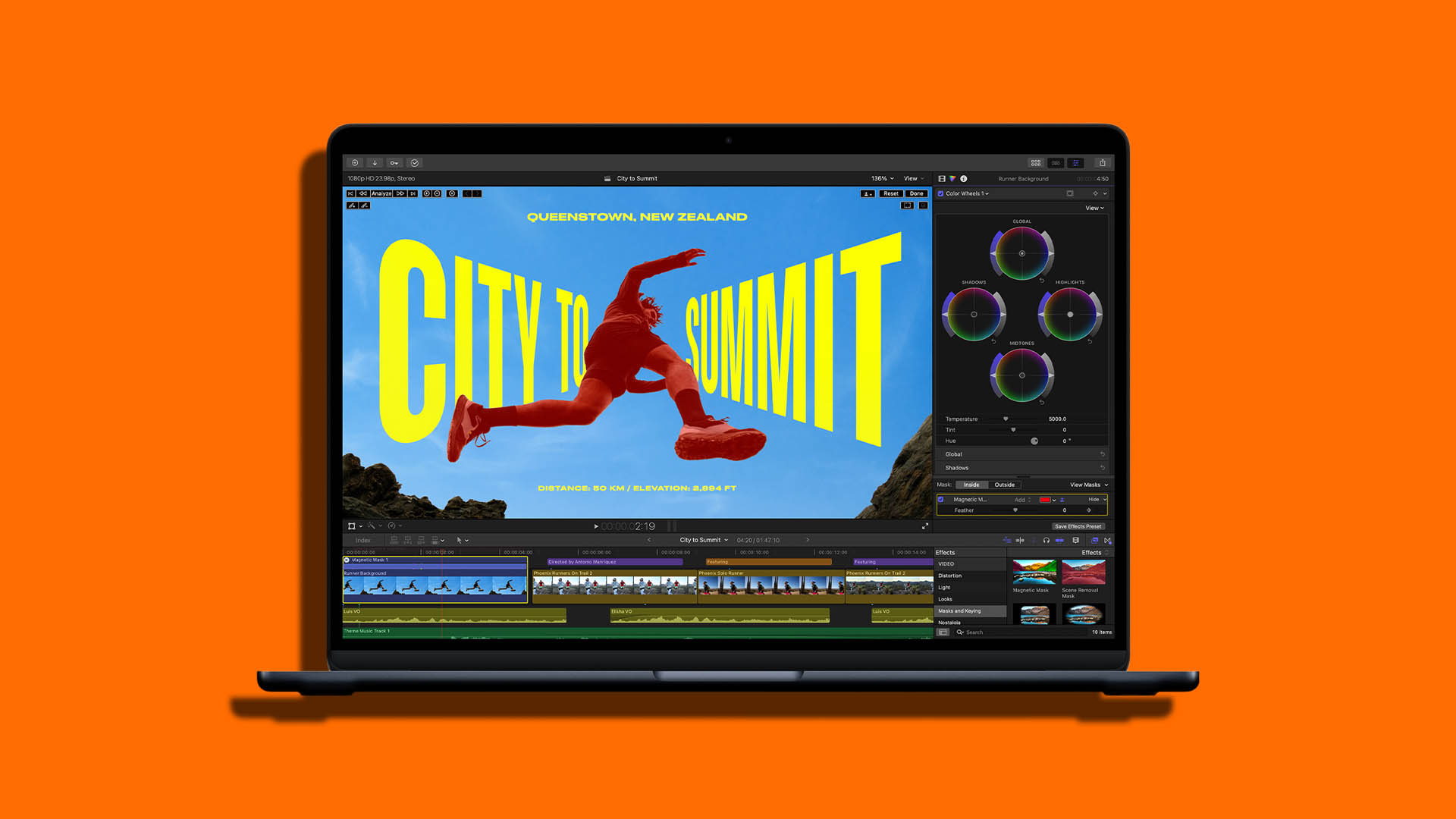
The ramifications extend beyond just the iPhone 18. Rumors indicate that Apple’s upcoming OLED M6 MacBook Pro, slated for a late-2026 launch, could also face cost pressures due to both material shifts (moving from mini-LED displays) and the absence of a DRAM pricing safeguard. While Apple has historically insulated itself from volatile component markets through aggressive negotiation tactics—including extended supplier visits—this time, the lack of a full-year deal leaves room for uncertainty.

For consumers, the stakes are clear: higher storage models of the iPhone 18, which already demand premium pricing, could see further inflation. Apple’s ability to absorb these costs without passing them to customers has been tested before, but with memory prices at record highs and no safety net in place, the company may have little choice but to adjust retail pricing. The situation also raises questions about whether Apple’s supply chain flexibility—once a point of pride—is now facing its most significant challenge in years.
With no official confirmation from Apple on alternative sourcing strategies, the focus remains on the second half of 2026. If the trend holds, it could mark a rare instance where Apple’s product roadmap is directly tied to the whims of global memory markets—a shift that would reshape expectations for both hardware releases and consumer budgets.