Apple’s next-generation iPhone lineup is facing a split launch, with the premium models taking center stage while budget and mid-range variants sit on the sidelines. The shift reflects deeper challenges in the tech industry: a global shortage of advanced memory chips and strained production capacity at TSMC’s most cutting-edge fabrication plants.
The iPhone 18 Pro and Pro Max, along with the rumored iPhone Fold, are now expected to debut in the fall of 2026. This move prioritizes models that rely on fewer high-end components—particularly the scarce 2nm and 3nm chips—while delaying the standard iPhone 18 and its successor, the iPhone 18e, until spring 2027.
This isn’t just a scheduling tweak. It’s a direct response to two critical supply chain hurdles. First, the AI boom has siphoned off much of the world’s DRAM capacity, leaving Apple with limited access to the low-power memory chips (LPDDR) needed for mass-market phones. Second, TSMC’s 3nm production lines—already stretched thin—are now acting as a bottleneck for Apple’s chip supply, forcing the company to ration its most advanced hardware for the highest-margin devices first.
The iPhone Air 2: A Missing Piece?
Adding another layer of uncertainty is the fate of the iPhone Air 2, Apple’s rumored ultra-slim, mid-range model. While some reports suggest it could still arrive in 2026, others—including recent industry leaks—indicate it may be pushed back or even scrapped. If the latter proves true, Apple would effectively skip a mid-tier offering for the first time in years, consolidating its lineup around the Pro models and the yet-to-be-confirmed budget iPhone 18e.
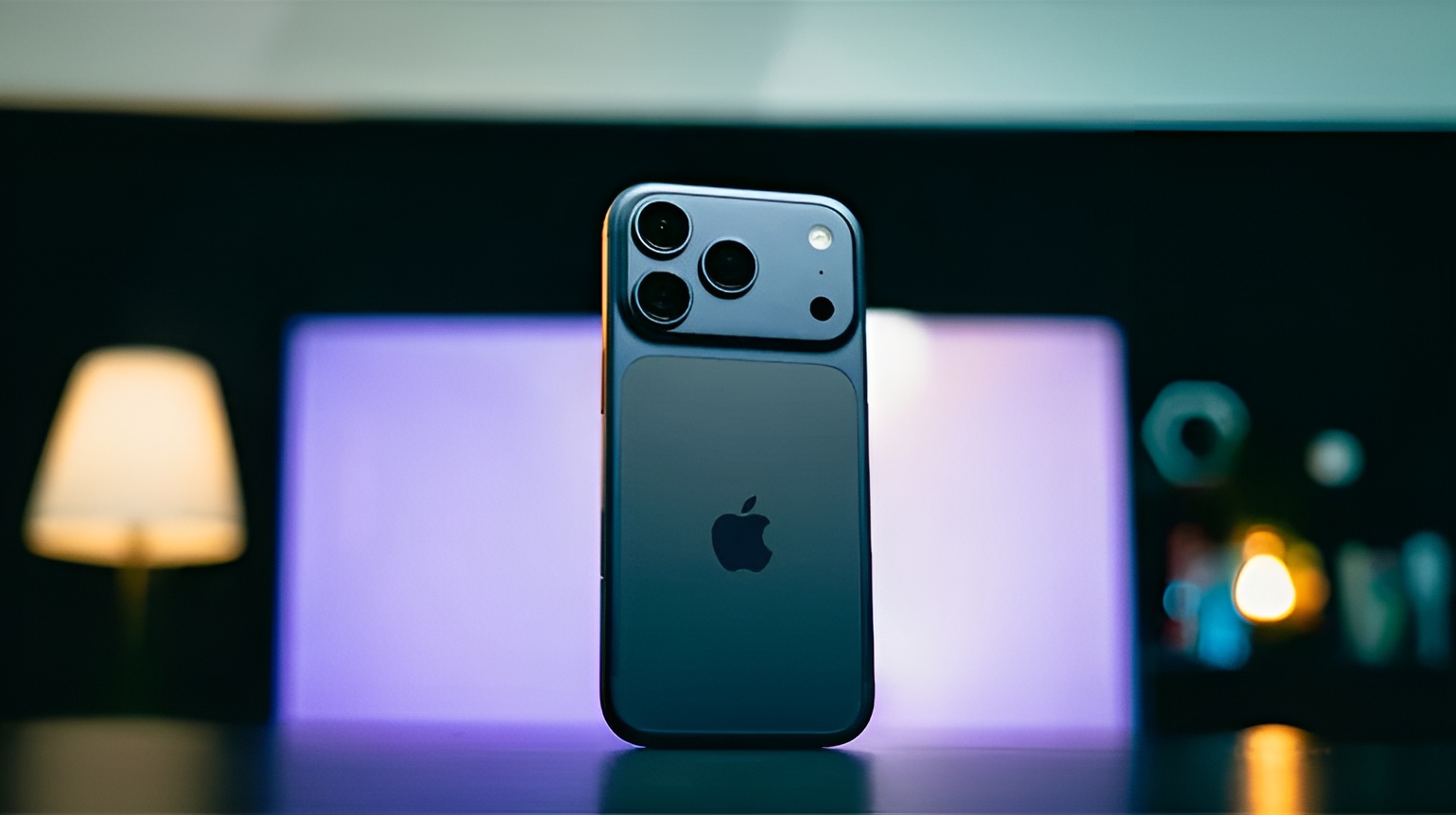
For consumers, this means a longer wait for the standard iPhone 18, which has traditionally been Apple’s volume driver. The delay could also push prices higher in the short term, as supply constraints limit production volumes. Meanwhile, the iPhone Fold—if it materializes—may face its own supply challenges, given its reliance on flexible display and advanced chip components.
What This Means for Apple’s Strategy
The bifurcated launch isn’t just about managing supply. It’s a test of how Apple balances innovation with accessibility. By releasing the Pro models first, the company ensures its flagship devices—where margins are thickest—hit shelves without delay. The standard iPhone 18, meanwhile, becomes a 2027 play, aligning with potential improvements in memory and chip availability.
For buyers, the timing could be a mixed bag. Early adopters will get the latest tech sooner, but those waiting for a more affordable entry point may face a longer cooldown. The absence of an iPhone Air 2 would further narrow Apple’s appeal, potentially handing Qualcomm and MediaTek a slight edge in the mid-range market.
One thing is certain: Apple’s iPhone 18 strategy is being dictated by forces beyond its control. The question now is whether the company can navigate these constraints without alienating its broad customer base—or whether this is the new normal for premium smartphone launches.