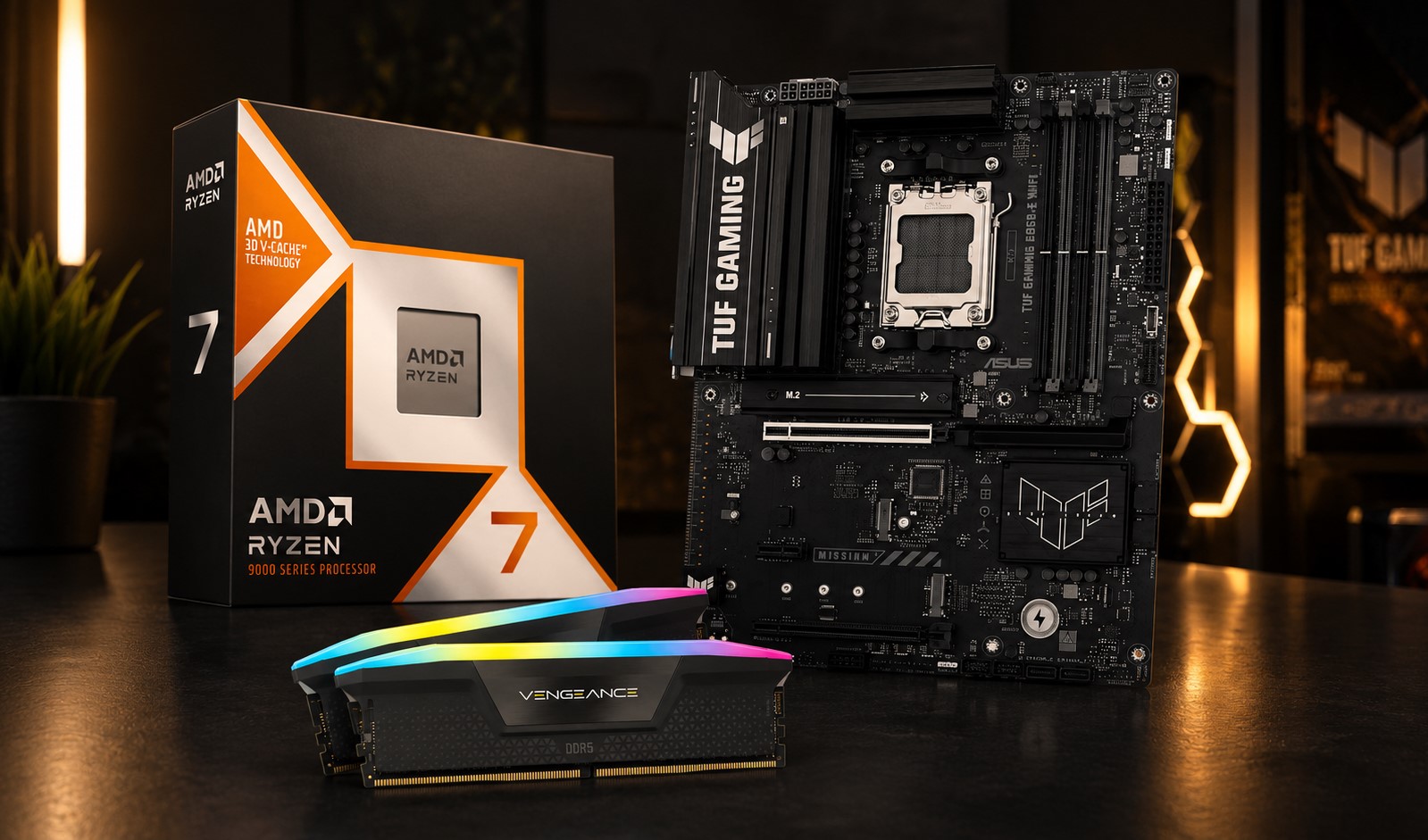
The US PC market's recent growth is being overshadowed by rising memory costs, which threaten to squeeze margins in the sub-$500 segment. While holiday sales and enterprise upgrades drove a temporary uptick, memory prices have surged significantly since early 2025, with another jump expected soon. This could force competitors to rethink their entry-level strategies, creating an opportunity for Apple’s M4 Air.
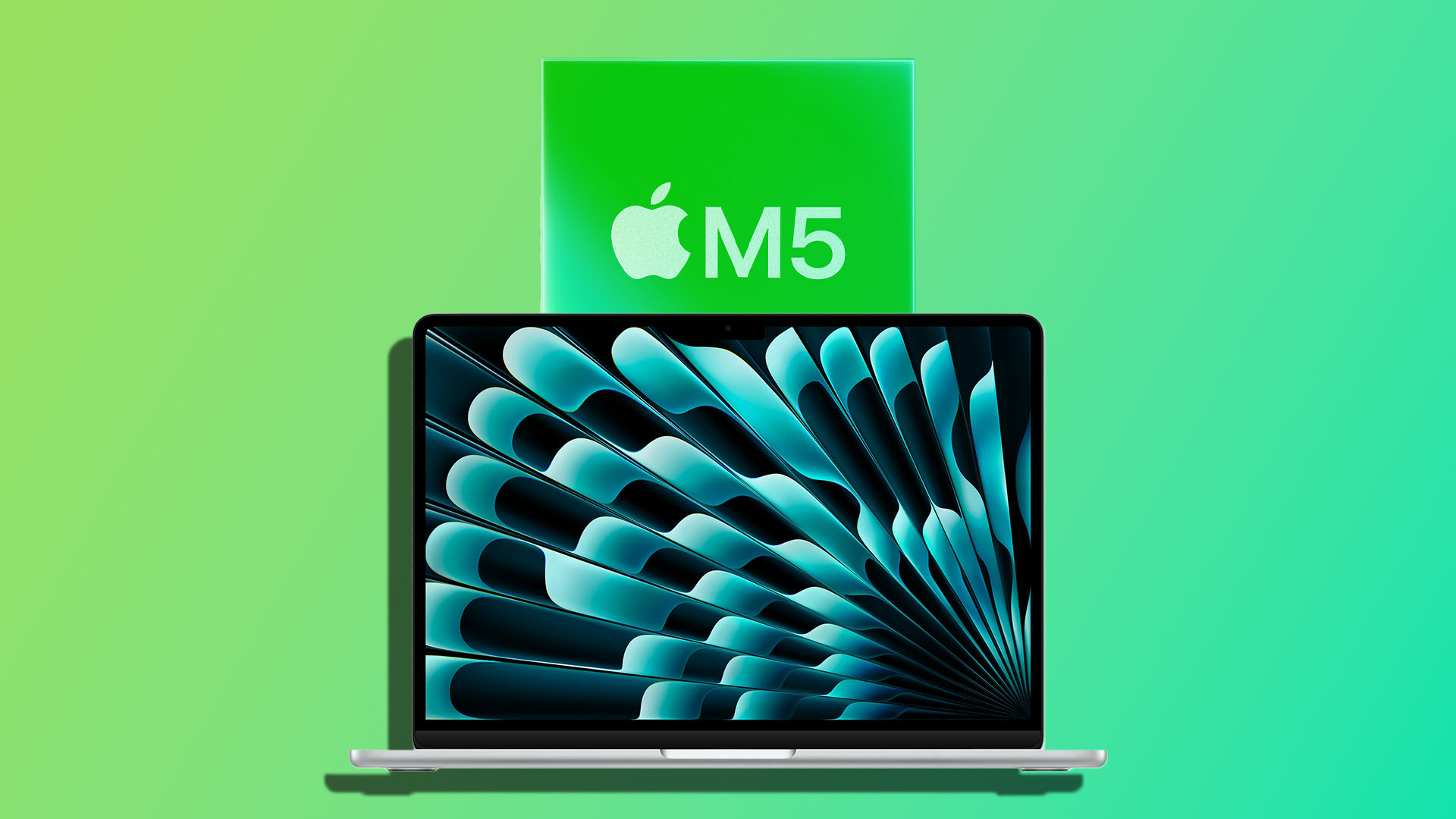
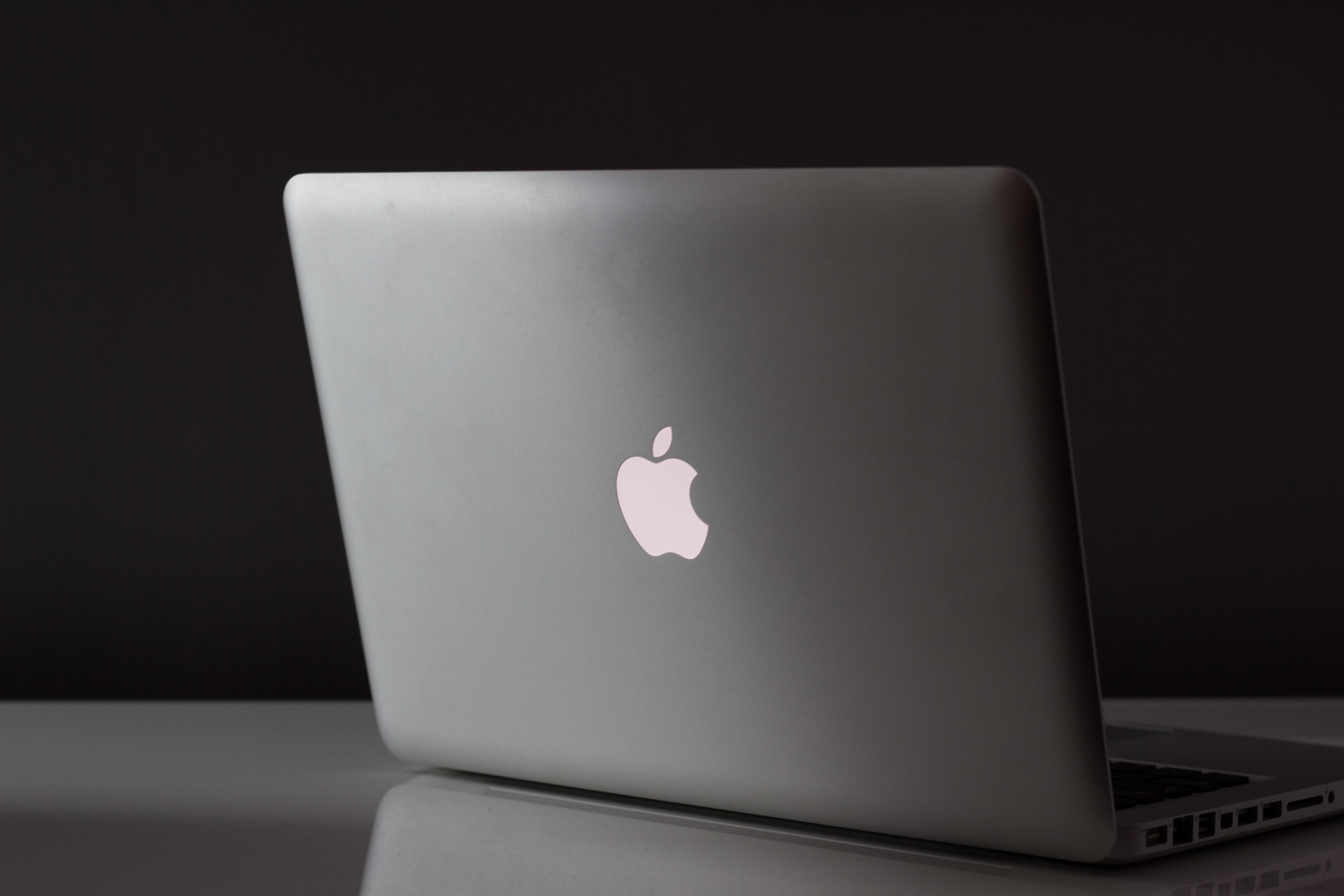
Apple is taking a calculated risk by positioning the M4 Air as a bridge between its budget and premium tiers. Priced at $999 with 16 GB of RAM—a figure that mirrors the original M1 Air—it challenges traditional x86-based laptops in both performance and value. However, success will depend on whether supply can meet the demand for more capable hardware.
Positioning in Apple’s Lineup
The M4 Air sits between the M1 and M4 Pro models, offering a blend of efficiency and power without the premium price tag. Unlike its predecessor, which focused on battery life, this iteration introduces more aggressive thermal management to sustain longer workloads. It also delivers better real-world performance than competitors in the same price range.
Key Upgrades
- 16 GB unified memory (LPDDR5x)
- 10-core CPU with 4 performance cores and 6 efficiency cores
- 30W TDP for sustained workloads without thermal throttling
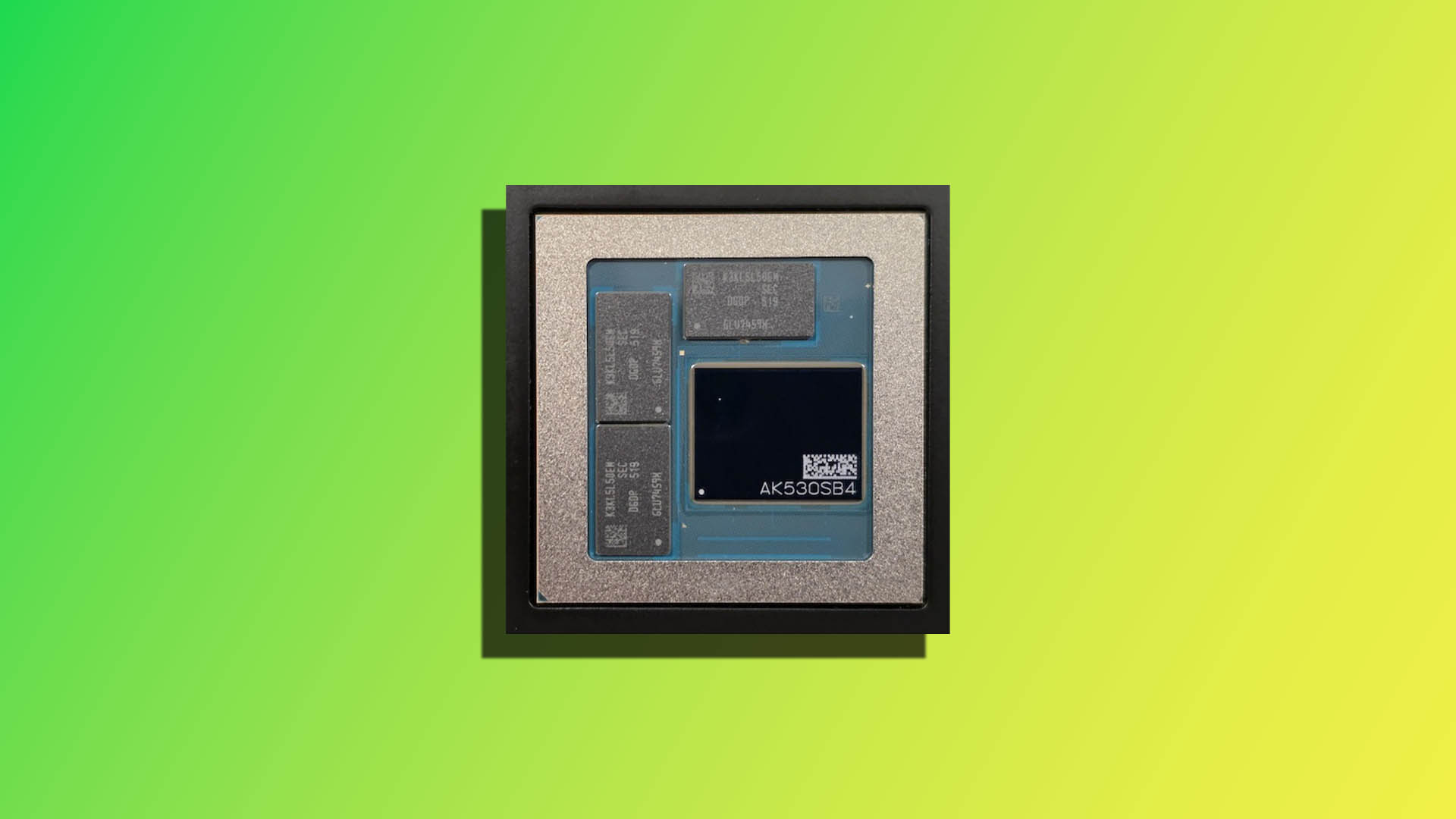
- Apple Silicon M4 architecture with 24GB/s memory bandwidth
- $999 price point, matching the original M1 Air’s launch value
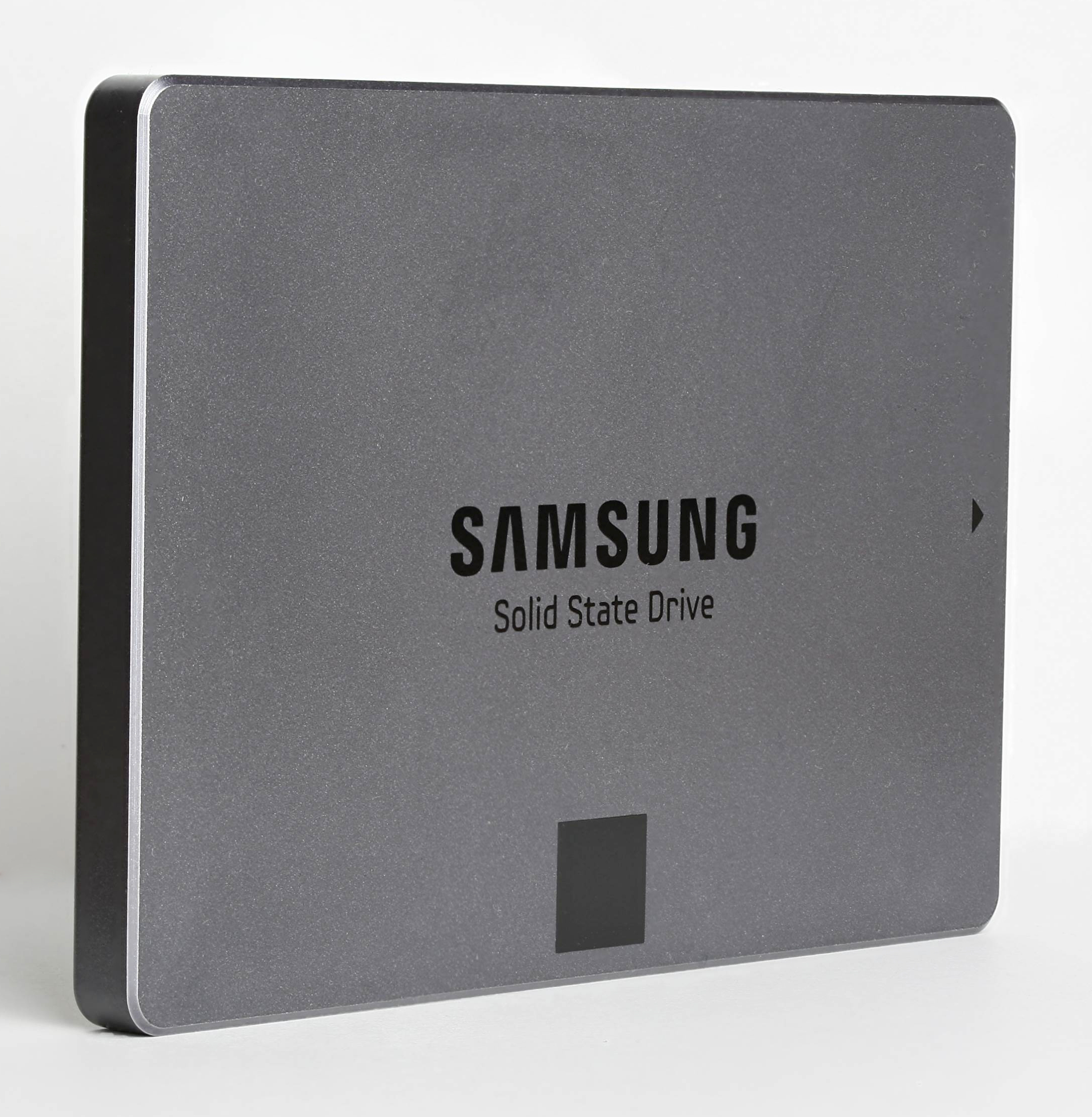
The laptop is designed for multitasking—handling virtual machines, 4K video editing, or coding without the premium cost of higher-tier models. However, storage remains a trade-off; while the standard 256 GB SSD is generous for many users, those reliant on local files may need to budget for additional capacity.

Market Dynamics
The commercial segment remains strong, but education and government sales are weakening. Traditional PC vendors face a tough balancing act: rising memory costs could make entry-level models even less viable, pushing buyers toward premium offerings. Apple’s M4 Air could capitalize on this shift, but supply constraints remain a risk.
Looking Ahead
The next year will test whether the market can absorb higher-priced hardware without sacrificing affordability. Apple’s strategy is a gamble—one that could pay off if competitors struggle to match its efficiency gains. For buyers, the message is clear: expect higher costs and fewer options, but also more capable hardware for those willing to invest.
The M4 Air isn’t just an update; it’s a signal that Apple is doubling down on performance in the value segment. Whether this strategy succeeds will depend on how well the company navigates rising costs and shifting consumer expectations. If it does, it could redefine what buyers expect from entry-level laptops.