Apple’s next flagship silicon—long anticipated—might finally emerge from the shadows in March, according to the latest industry whispers. The M5 Pro and M5 Max, expected to power the next generation of MacBooks and iMacs, could arrive sooner than previously hinted, with a manufacturing shift that might ease some of the financial strain weighing on chipmakers.
At the heart of the speculation lies a packaging upgrade: Apple is reportedly transitioning its upcoming chips to Small Outline Integrated Circuit (SoIC) packaging. This isn’t just a technical tweak—it’s a strategic move. SoIC is designed to reduce costs by improving yield rates and simplifying assembly, which could help Apple offset the rising prices of DRAM, a critical (and expensive) component in modern chips. The shift may also address thermal concerns, as earlier reports suggested the M5 could hit temperatures as high as 99°C under heavy loads.
The timing aligns with Apple’s recent supply challenges. The company admitted earlier this month to entering 2026 with depleted inventories, partly due to constraints in memory and advanced node supply. While the M6 is rumored to arrive before the M5 Pro and Max, the delay in these models may stem from TSMC’s production bottlenecks or early hurdles in ramping up SoIC for Apple’s custom designs.
A Packaging Revolution?
SoIC isn’t entirely new—it’s already used in some consumer electronics—but its adoption in Apple’s high-performance chips could mark a turning point. The packaging may allow for more modular designs, potentially enabling separate CPU and GPU blocks on the same die. This could lead to more efficient power distribution, tailoring performance based on workload demands without sacrificing overall capability.
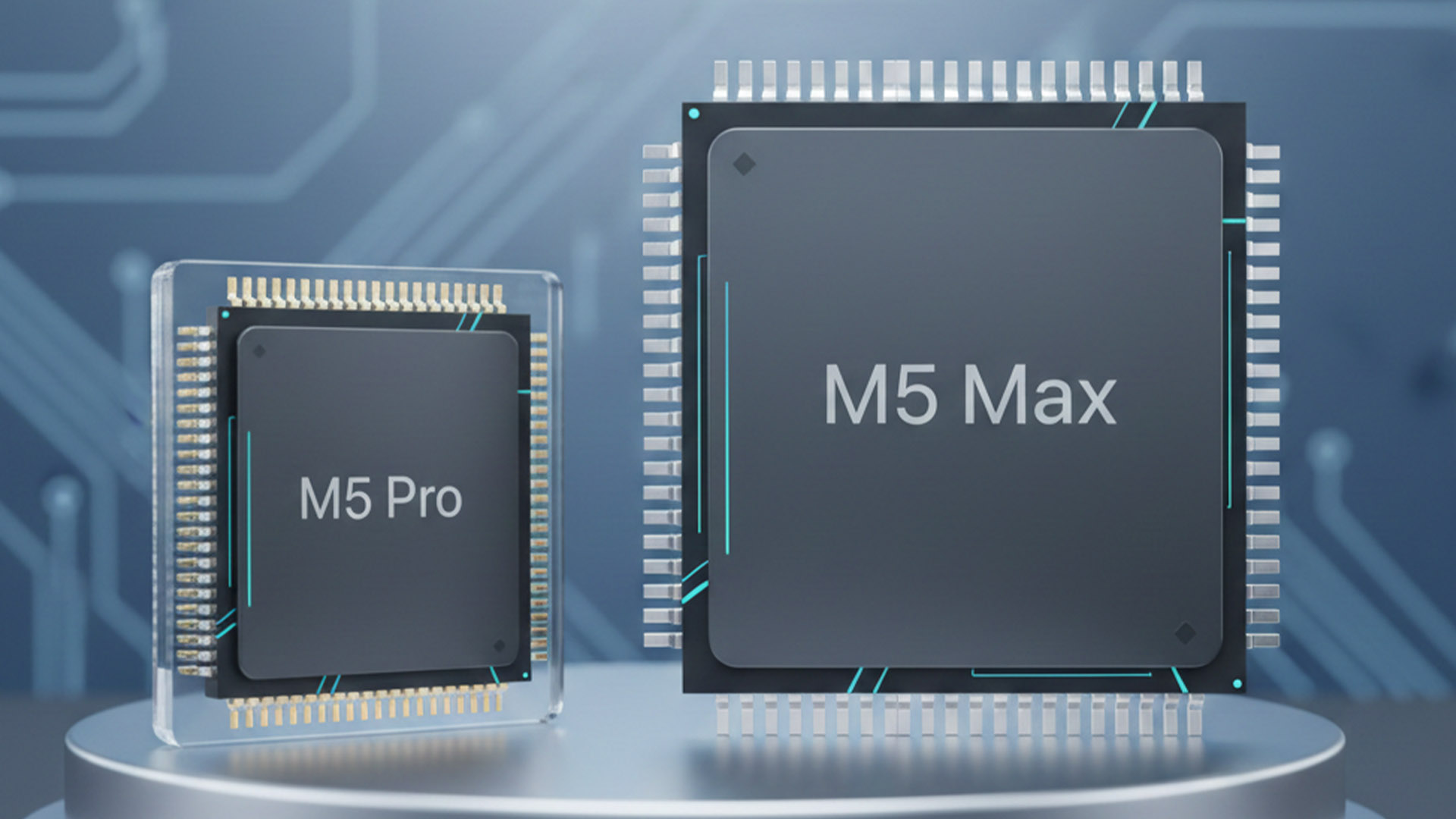
However, the transition isn’t without risks. Early production of SoIC for high-end chips can introduce delays or yield issues, though industry sources suggest Apple is making progress. Even if costs are reduced, the savings may be modest, but in an environment where every dollar counts, incremental improvements matter.
What It Means for Users
For consumers, the March timeline—if accurate—would mean the M5 Pro and Max could appear alongside the next wave of Apple hardware, likely in late spring or early summer. The chips are expected to bring incremental upgrades over the M4 series, with potential improvements in CPU/GPU performance, efficiency, and perhaps even support for faster memory configurations.
Yet the bigger story here is Apple’s ability to adapt. By embracing SoIC, the company may not only stabilize costs but also future-proof its manufacturing pipeline. If successful, this could set a precedent for how other tech giants navigate the DRAM crunch, which shows no signs of easing anytime soon.
The rumor carries a 50% plausibility rating, meaning it’s far from confirmed but aligns with Apple’s historical launch patterns and current supply dynamics. Until official announcements, speculation will continue—but the clock is ticking.