Apple’s MacBook Pro ecosystem is about to expand beyond the M5-powered 14-inch model introduced last October. The company’s higher-end M5 Pro and M5 Max variants, long anticipated by professionals and creators, are now expected to launch as early as the first half of 2026—shifting the calculus for those weighing upgrades.
The M5 Pro and M5 Max chips, successors to the M2 Pro and M2 Max, promise significant leaps in performance, particularly in AI-driven workloads. Apple’s Neural Accelerator architecture, integrated across each core, will likely play a central role in accelerating on-device machine learning tasks, from video editing to generative AI workflows. But the real question for buyers isn’t just *when* these models arrive—it’s whether they’ll require new infrastructure to unlock their full potential.
What the M5 Pro and Max Need to Work
Unlike standalone GPUs or external accelerators, Apple’s silicon-based MacBook Pros rely entirely on macOS for optimization. The M5 Pro and Max chips will demand macOS Sequoia or a future iteration, ensuring seamless integration with Apple’s latest software features. For users with external GPUs or high-end displays, compatibility remains a key consideration—though Apple’s Thunderbolt 4 ports (and upcoming USB4/Thunderbolt 5 upgrades) should support most professional peripherals.
One notable shift in this refresh: industry sources suggest the M5 Pro and Max models may retain the familiar Liquid Retina XDR displays with Mini-LED backlighting, rather than adopting the OLED panels rumored for later in the year. This aligns with Apple’s cautious approach to new display tech, prioritizing reliability over cutting-edge specs in its flagship lineup.
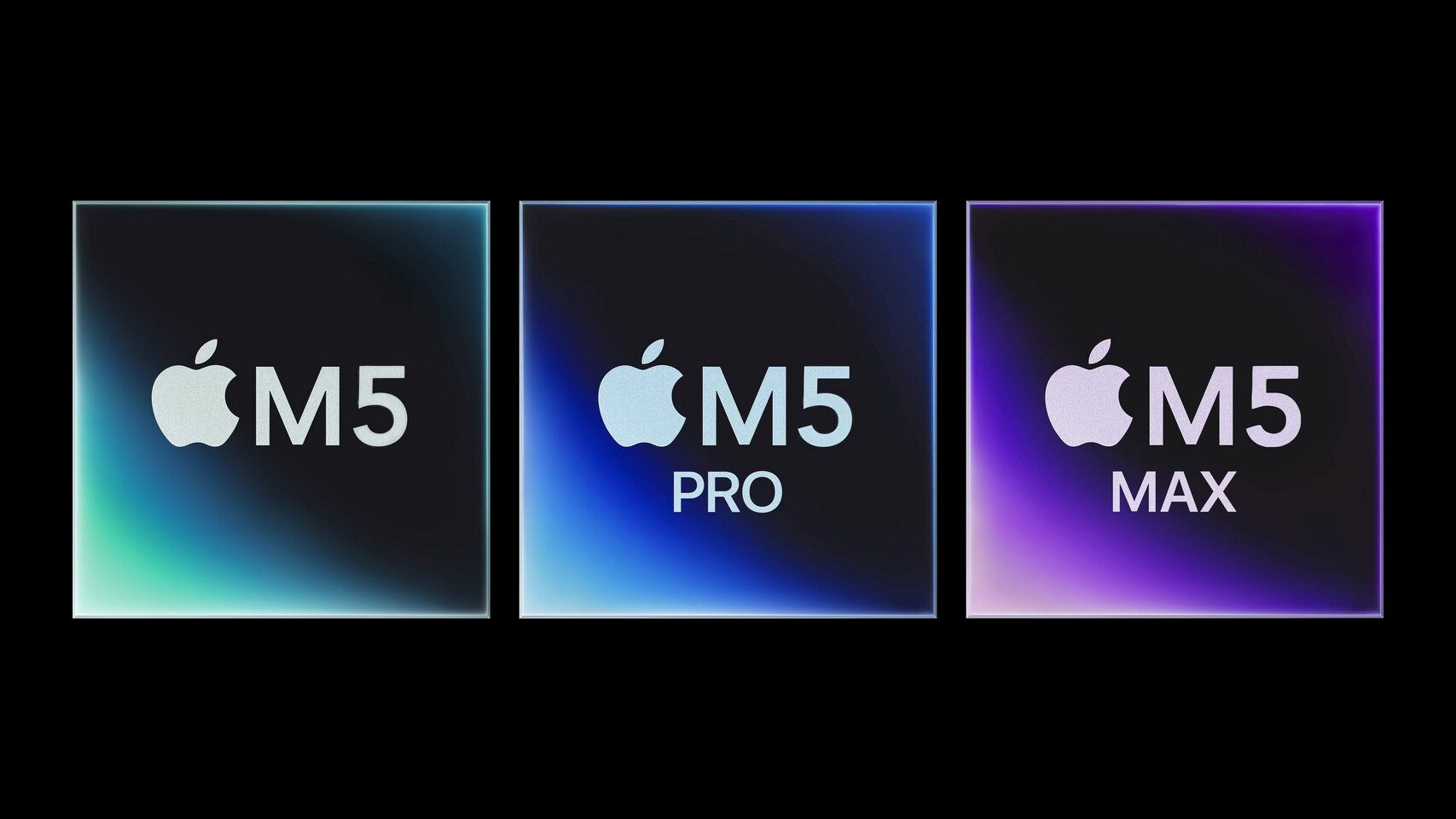
Key Specs and Tradeoffs
- Chipset: M5 Pro (up to 18-core CPU, 18-core GPU) and M5 Max (up to 24-core CPU, 40-core GPU).
- Memory: Up to 96GB unified memory (shared between CPU, GPU, and Neural Engine).
- Storage: Up to 8TB SSD (custom Apple design).
- Display: 14-inch and 16-inch options with Liquid Retina XDR (Mini-LED), 120Hz ProMotion.
- Ports: Thunderbolt 4 (USB4), HDMI, SDXC, 3.5mm headphone jack.
- Pricing: Starting estimates for the M5 Pro model near $2,500, with the M5 Max potentially nearing $5,000 for top-tier configurations.
The jump to 96GB of unified memory addresses the needs of 3D artists, video editors, and AI researchers—but it comes at a premium. Combined with the M5 Max’s 40-core GPU, these machines will rival workstations in raw power, though real-world performance will depend on macOS optimizations for professional apps like Final Cut Pro, Adobe Suite, and Blender.
For creative professionals, the tradeoff is clear: wait for the M6-based models (rumored for late 2026 or 2027) with OLED displays and potentially higher memory capacities, or invest now in the M5 Pro/Max for immediate gains in AI acceleration and productivity. The decision hinges on budget, workflow demands, and whether Apple’s roadmap delivers incremental or revolutionary improvements.
Who Benefits Most?
The M5 Pro and Max MacBook Pros are tailored for users who push hardware to its limits. Video producers handling 8K timelines, architects rendering complex 3D models, and data scientists running large-scale ML workloads will see the most tangible benefits. Even for power users, however, the cost remains a barrier—especially when paired with external GPUs like the RTX 5090 ($5,000) or high-refresh-rate displays.
Apple’s ecosystem lock-in ensures these machines integrate flawlessly with iPhones, iPads, and Apple Watches, but the lack of external GPU flexibility (unlike Windows-based workstations) may deter some professionals. For those who can afford the upgrade, however, the M5 Pro and Max represent a bridge to the next generation of macOS-powered creativity—one that may redefine what’s possible on a laptop.
Availability for the M5 Pro and Max models is expected in the first half of 2026, with pricing and exact configurations to be confirmed closer to launch.