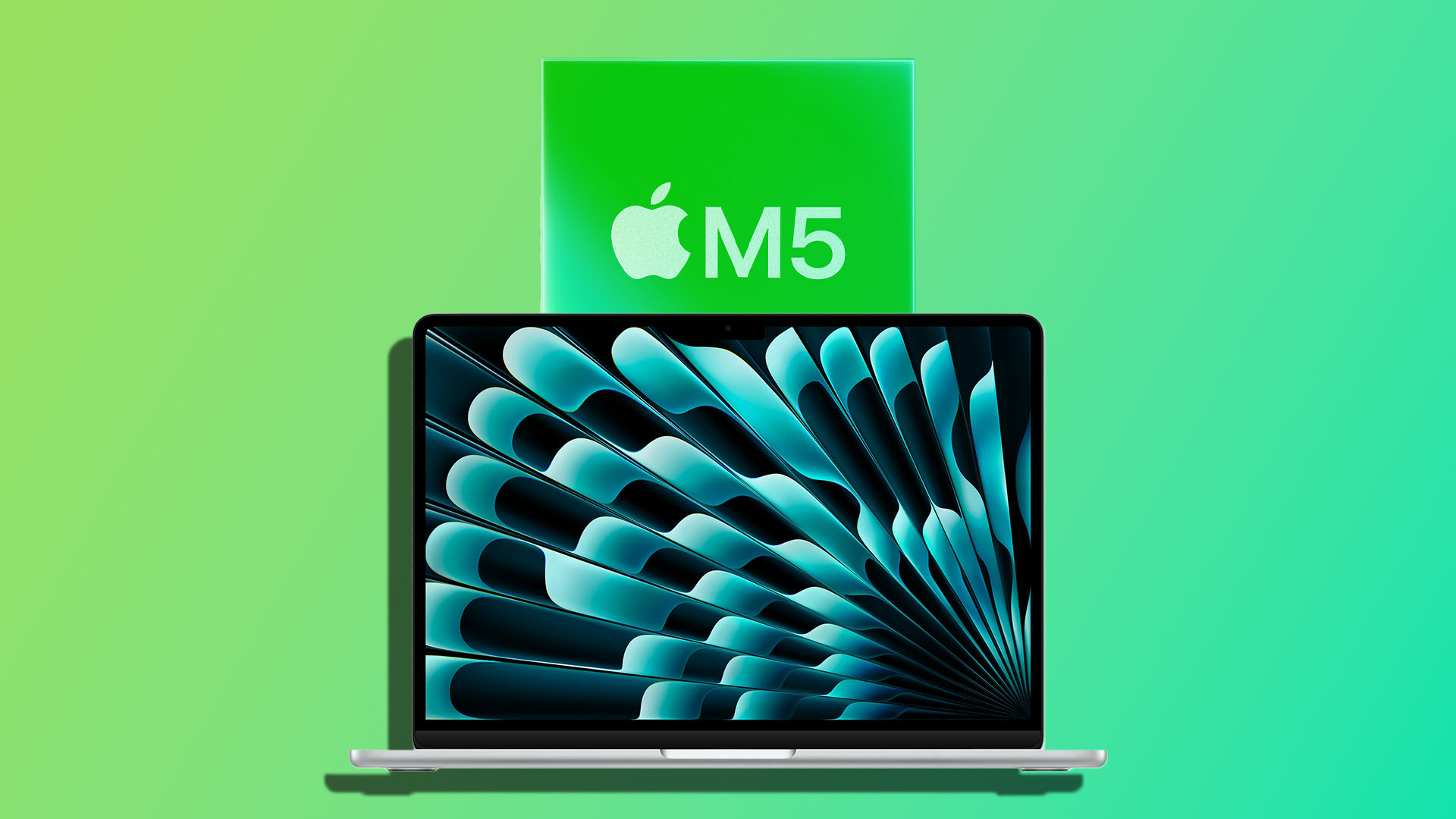
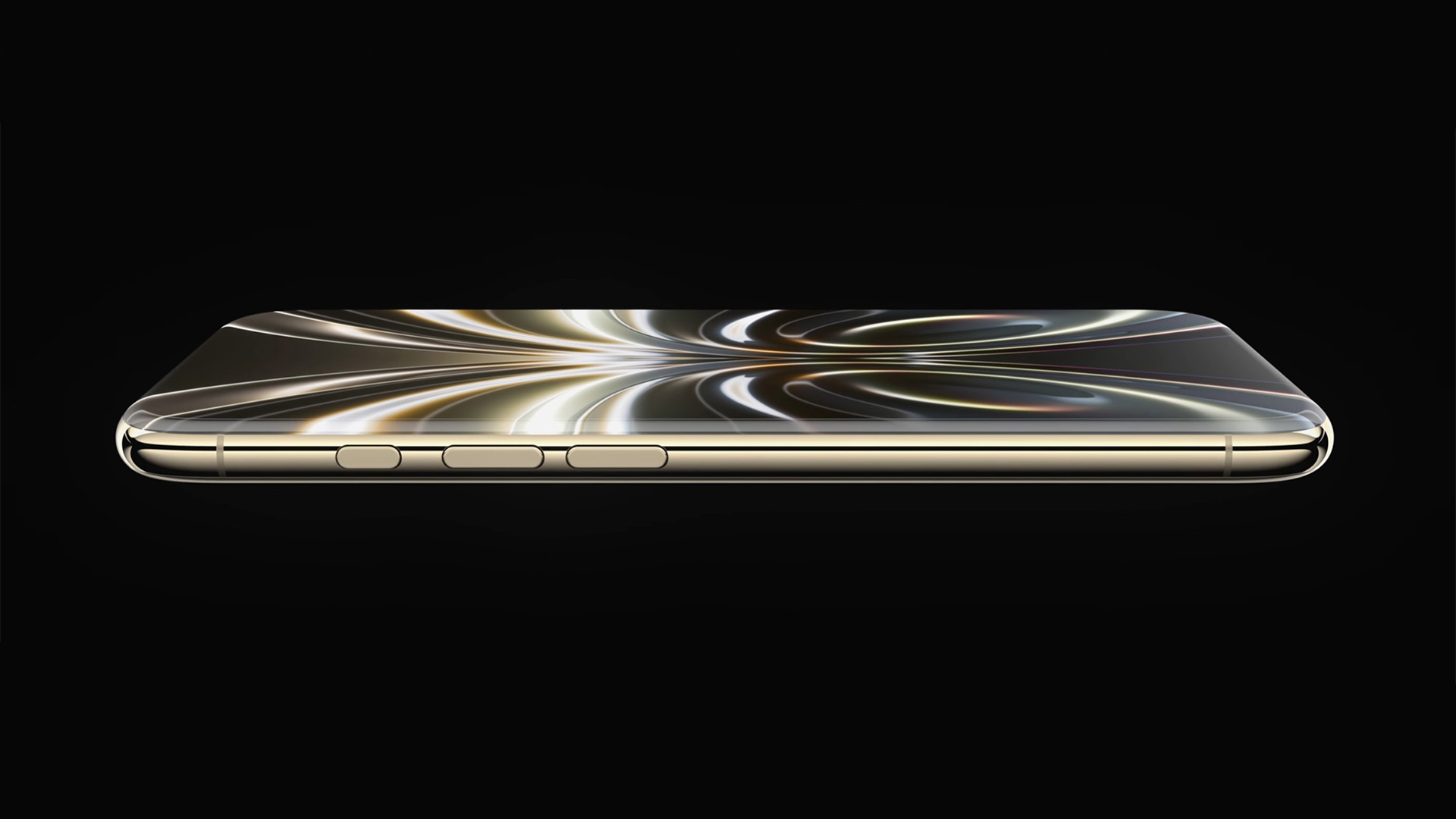
The tech world is witnessing a notable shift in Apple's device strategy, one that blurs the lines between traditional laptops and tablets. The MacBook Neo, a new addition to Apple's lineup, shares critical components with the recently unveiled M4 iPad Air, signaling a move towards more integrated performance across its product ecosystem.
This isn't just about hardware; it's about redefining what users expect from portable devices. The MacBook Neo is not merely an incremental update but a step towards a more cohesive and powerful Apple ecosystem. Developers, in particular, stand to benefit from this shift, as the unified architecture promises to streamline workflows and enhance performance across devices.
Performance in Perspective
The MacBook Neo's performance is a direct extension of what users have come to expect from Apple's M-series chips. It features an 8-core CPU with 4 performance cores and 4 efficiency cores, alongside a 10-core GPU. This setup is designed to handle demanding tasks, whether it's coding, graphic design, or video editing. The device also includes 256GB of unified memory, a significant jump from the previous generation's 16GB, which reflects Apple's commitment to pushing the boundaries of what's possible in portable computing.
- 8-core CPU: 4 performance cores + 4 efficiency cores
- 10-core GPU for enhanced graphics performance
- 256GB unified memory, up from 16GB in previous models
Unified Memory and Storage
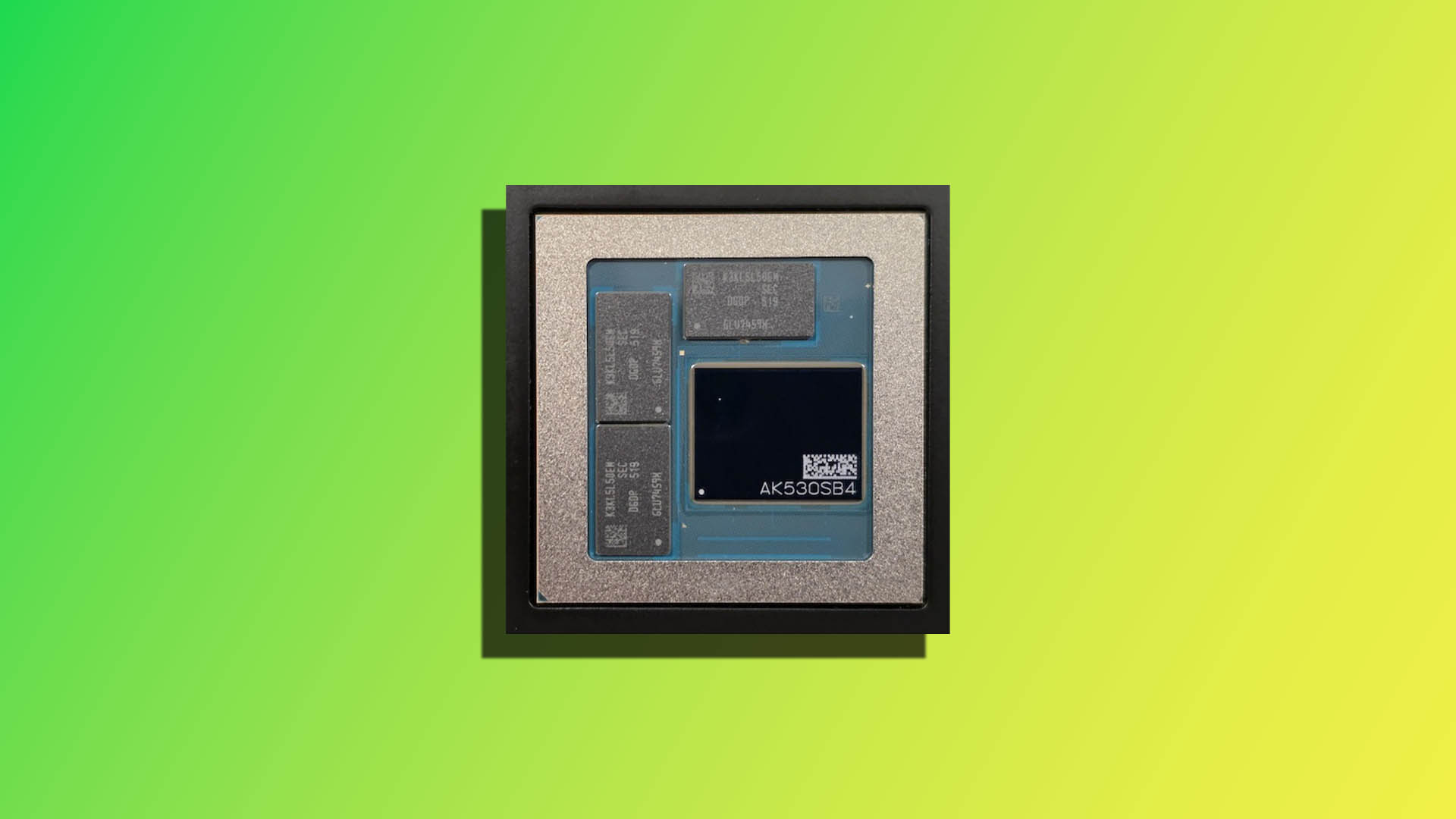
The MacBook Neo's unified memory architecture is a standout feature. Unlike traditional laptops that separate system memory from storage, the Neo integrates both under one roof. This approach not only simplifies hardware design but also enhances performance by allowing the CPU to access data more efficiently. The 256GB of unified memory means that developers can run multiple applications simultaneously without experiencing slowdowns, a common issue in older models.
Power and Efficiency
Apple has always been at the forefront of battery efficiency, and the MacBook Neo is no exception. With a focus on power efficiency, this new model promises longer battery life, which is crucial for developers who often work on the go. The device's thermal design also plays a significant role in maintaining performance under load, ensuring that it remains cool even during intensive tasks.

Caveats and Considerations
While the MacBook Neo represents a significant leap forward in terms of performance, there are some considerations for potential users. The device's starting price is higher than its predecessors, reflecting the advanced hardware inside. Additionally, while the unified memory architecture offers benefits, it also means that users need to be mindful of storage allocation, as unlike traditional SSDs, this memory cannot be expanded via external drives.
Comparative Edge
When compared to the M4 iPad Air, the MacBook Neo offers a more robust platform for developers. The iPad Air, while powerful, is still constrained by its tablet form factor and operating system limitations. The MacBook Neo, on the other hand, provides a full-fledged laptop experience with a larger display, physical keyboard, and trackpad, making it better suited for professional workloads that require more screen real estate and precise input.
Future Implications
The introduction of the MacBook Neo raises questions about the future of portable computing. With Apple increasingly integrating its hardware across devices, users can expect a more seamless experience when switching between iPads, MacBooks, and other Apple products. This unification could also lead to more innovative software solutions that leverage the shared architecture, potentially opening new avenues for developers to explore.
For now, the MacBook Neo stands as a testament to Apple's ability to innovate while maintaining its focus on real-world performance. It's a strategic move that benefits not just the company but also the ecosystem of developers and users who rely on Apple's hardware for their daily tasks. The full implications of this shift will become clearer over time, but one thing is certain: the landscape of portable computing has been irrevocably altered.