Apple’s MacBooks have long stood out for their seamless performance, but behind that smoothness lies a technical shift that could redefine the PC market. Unified memory architecture, once a niche feature in high-end systems, is now becoming standard across Apple’s lineup, and industry analysts say this change alone could push the company into the top three notebook vendors globally by 2026—if one critical factor remains unchanged.
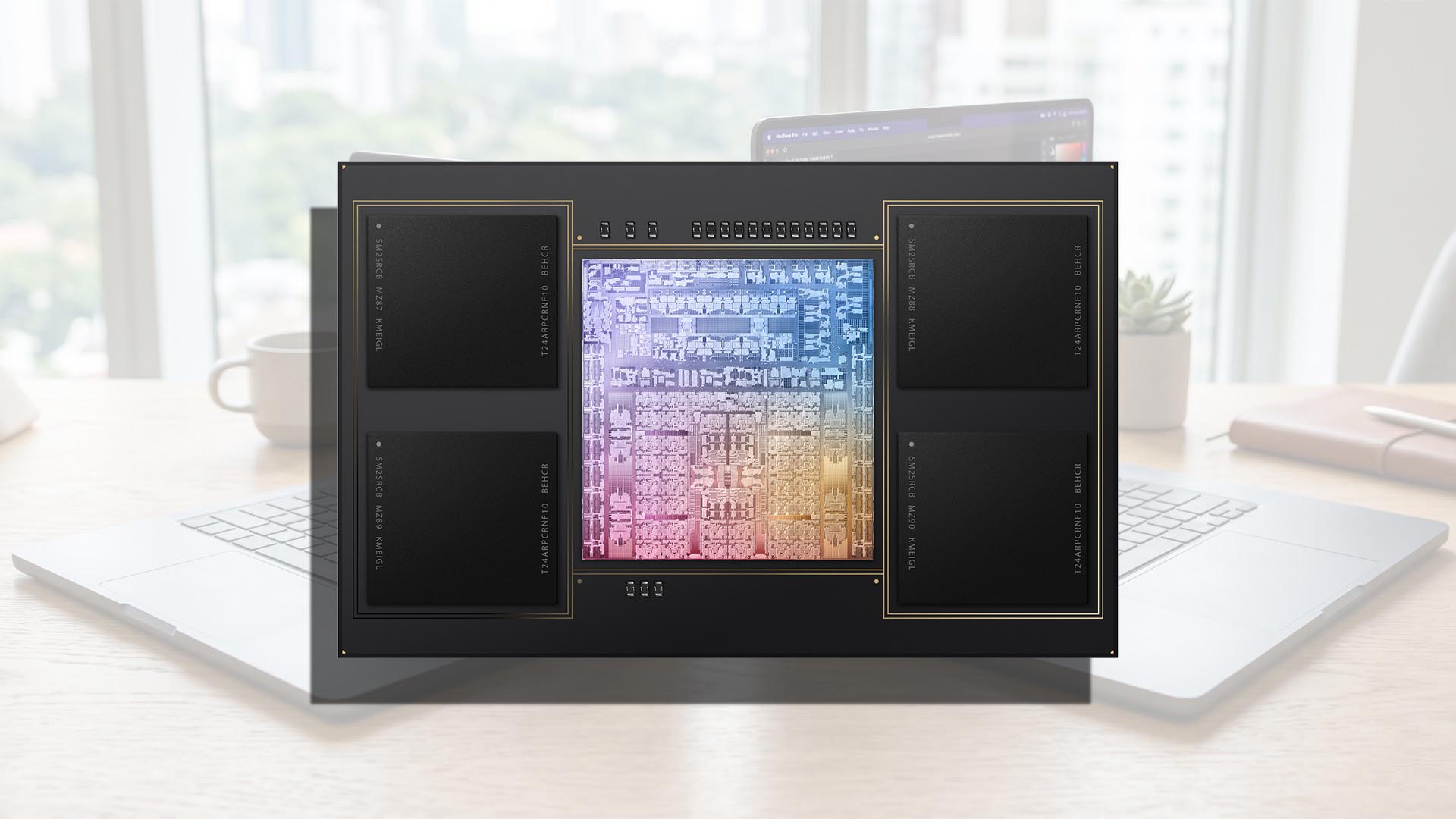
Today, most consumer laptops rely on separate memory controllers and RAM chips. This separation creates a bottleneck, especially in tasks that demand rapid data movement, like video editing or AI workloads. Apple’s unified memory design eliminates that gap, allowing the CPU to access system memory directly without detours. The result is faster processing and more efficient power use, which translates into longer battery life and snappier performance under load.
Why this matters for PC builders
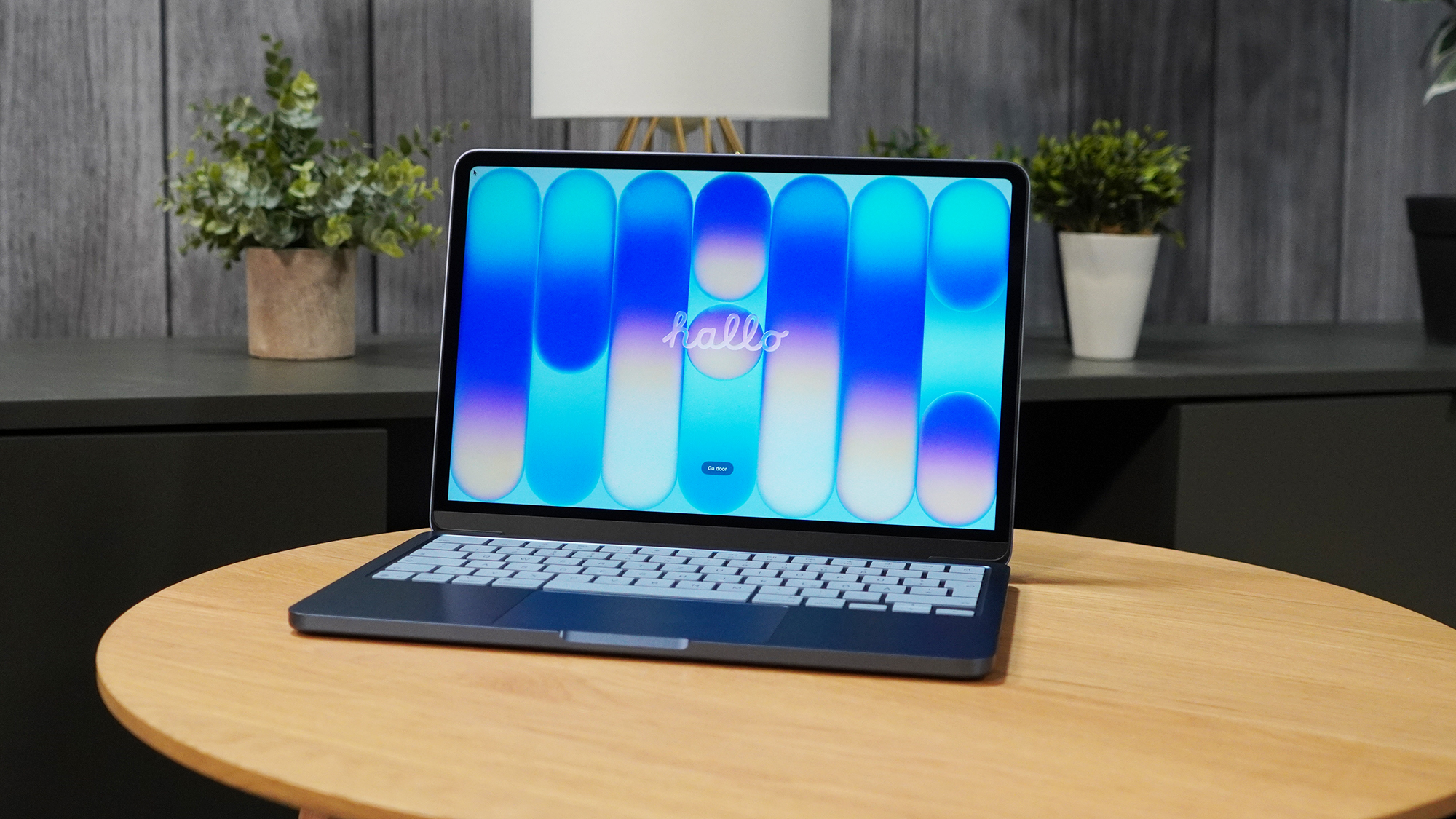
The impact isn’t just theoretical. Apple’s M-series chips—starting with the M1 in 2020—already leverage unified memory, but the company is now expanding this approach to lower-end models like the MacBook Air and even its upcoming budget-focused devices. This means PC enthusiasts and professionals will see consistent performance across Apple’s entire lineup, something that wasn’t always true before.
- Faster data transfer between CPU and memory
- Improved battery efficiency due to reduced power overhead
- Seamless scaling from ultrabooks to pro workstations
Who benefits—and who might skip?
For everyday users, the biggest win is battery life. MacBooks with unified memory spend less energy moving data around, so they last longer between charges—a crucial factor for students and remote workers. But for PC builders looking to customize hardware, Apple’s walled-garden approach remains a hurdle. Unlike Windows PCs, where you can swap RAM or upgrade storage independently, MacBooks lock users into Apple’s ecosystem. If cost or flexibility is your priority, this trade-off could still make other brands more appealing.
The unknown factor
Analysts project that if Apple maintains its current pace of innovation and market penetration, it will claim nearly 10% of the global notebook market by 2026. That would place it firmly in third, behind Lenovo and HP. However, one variable could derail this growth: whether Apple can keep its unified memory advantage without driving prices up. If costs rise significantly, demand may soften, slowing its ascent.
For now, the trend is clear. Unified memory isn’t just a technical detail—it’s a blueprint for how PCs will evolve in the next decade. Whether Apple sticks to it or pivots remains an open question, but one thing is certain: the way we build and use laptops may never be the same again.