Apple’s next iPhone lineup is set to break new ground—not just in performance or software, but in how screens are built and what they can do.
The centerpiece? A radical shift toward filterless display panels. These panels eliminate the traditional color filter array (CFA), a layer that has been standard in smartphone screens for years. By removing it, Apple aims to squeeze out more brightness, better battery life, and sharper colors without adding cost or complexity. Samsung is already working on this technology, hinting at a collaboration that could accelerate its adoption across the industry.
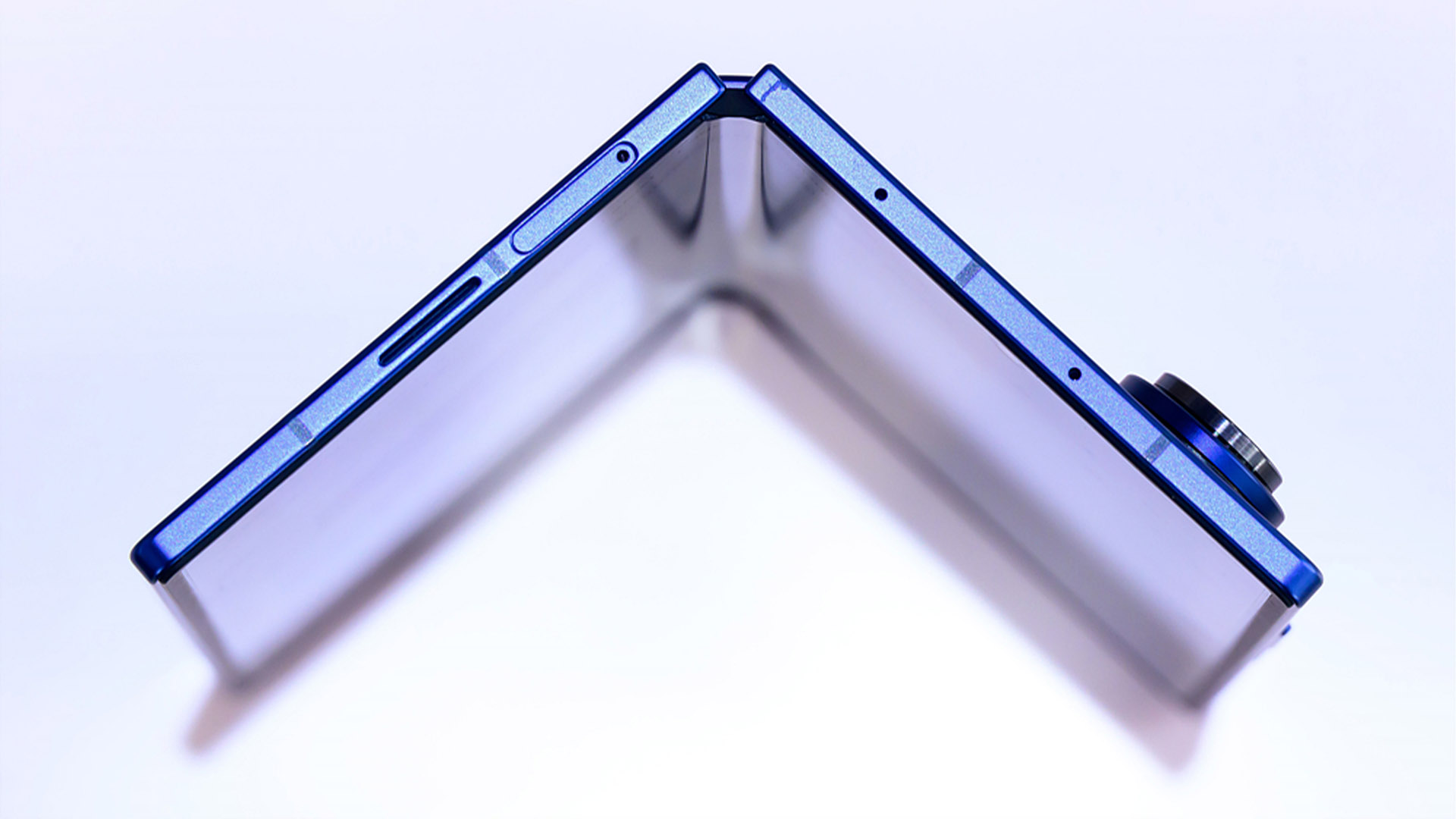
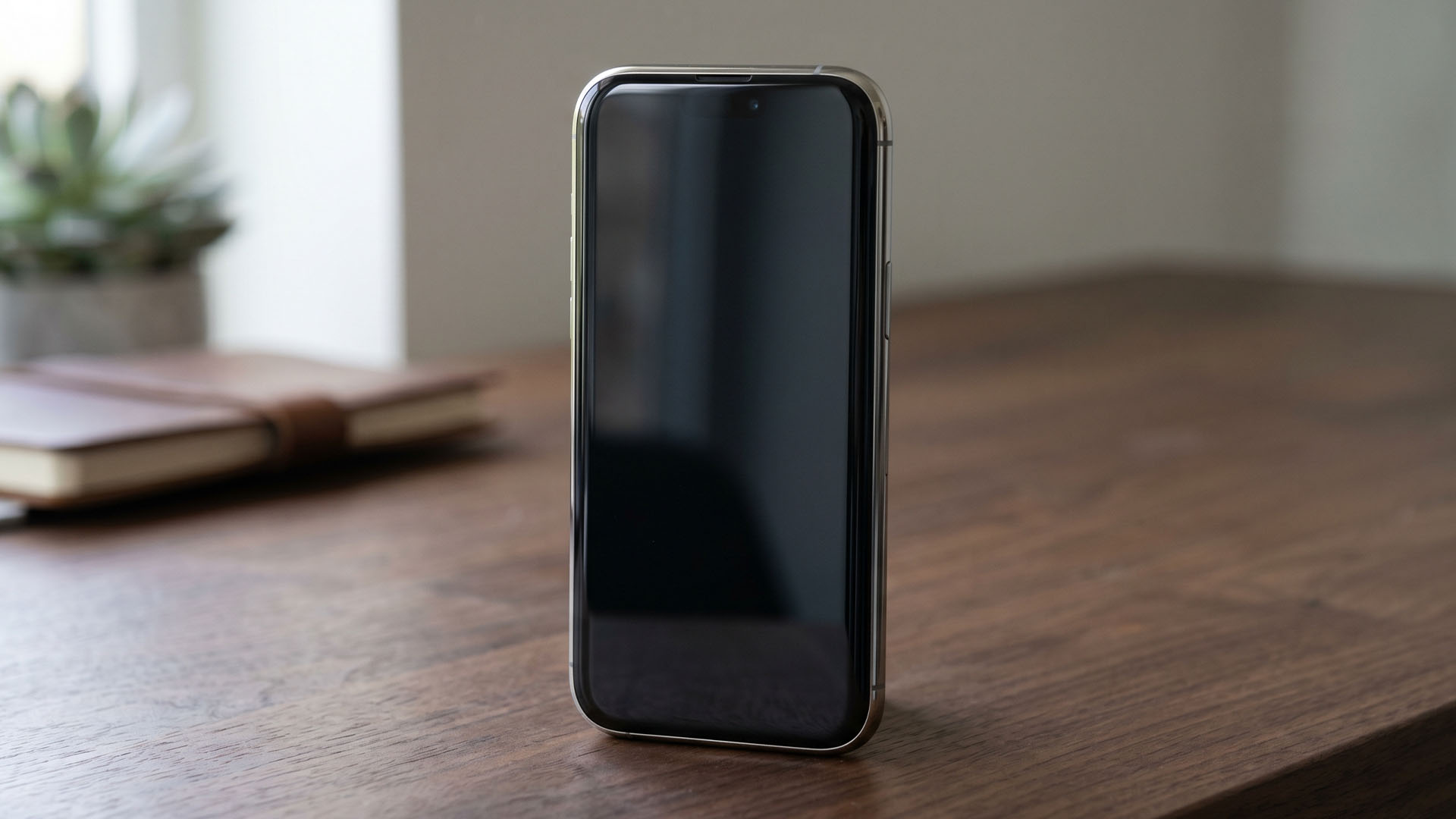
But the bigger story may be what comes after the screen. Reports suggest Apple is exploring a pebble-like form factor—thin edges that curve smoothly into the frame, almost like a small stone. This isn’t just about aesthetics; it’s about rethinking how buttons, sensors, and even haptic feedback integrate with the device. If executed well, this could make iPhones feel lighter, more tactile, and less cluttered—something Samsung has been pushing with its own Galaxy S series designs.
Key specs and what they mean
- Filterless panels: Removes the color filter layer, improving brightness by up to 30% while reducing thickness and power consumption. This could lead to screens that are both more vibrant and more efficient—critical for OLED displays.
- Pebble-like form factor: Ultra-thin, seamless edges with no sharp transitions between screen and frame. This design prioritizes ergonomics and premium feel over traditional button placements or notches.
The filterless approach isn’t just a technical curiosity; it’s a response to the growing demand for screens that can handle HDR content without dimming or burning through battery life too quickly. For creators working with video or photography, this could mean longer editing sessions without sacrificing screen quality. Meanwhile, everyday users might notice brighter displays in sunlight and smoother transitions between apps—small but meaningful improvements.
Samsung’s role here is crucial. The company has been quietly developing its own filterless panel technology, which Apple is likely adopting for its next iPhones. This isn’t just about supply chain logistics; it’s a sign that Samsung is doubling down on display innovation as a way to stay ahead in the mobile market.
Who benefits—and who might wait?
- Creators and power users: Those who push screens hard—whether for video editing, gaming, or multitasking—will see immediate gains in brightness, color accuracy, and battery efficiency. The pebble-like form factor could also make these devices more comfortable to hold during long sessions.
- Everyday users: The real-world impact here is subtler but still significant. Brighter screens mean better visibility outdoors, while the smoother edges could reduce fingerprints and improve grip—small details that add up over time.
The tradeoff? Not every innovation will land in every iPhone model. Apple has a history of segmenting its lineup, so the most advanced display features might first appear in the Pro models before trickling down to standard iPhones. Buyers should also consider whether they need these upgrades now—or if waiting for the next generation could offer even more improvements.
Market impact: A blueprint for the future
If Apple and Samsung succeed, this could set a new benchmark for smartphone displays—one that prioritizes efficiency, brightness, and form factor over traditional design constraints. The filterless panel approach, in particular, could become an industry standard, pushing other manufacturers to adopt it or risk falling behind.
The pebble-like form factor is even more ambitious. It challenges the status quo of how smartphones are shaped, forcing competitors to rethink their own designs—not just for aesthetics, but for functionality. This isn’t just about making phones look sleek; it’s about redefining what a smartphone can be.
For buyers, the question isn’t just whether they want these features now—it’s whether they’re willing to pay for them. Apple has always been at the forefront of premium pricing, but this level of innovation could justify even higher costs if the performance and user experience deliver. The real test will be in how smoothly these changes integrate into daily use—and whether they actually make a difference beyond marketing.
What to watch: Pricing and availability for the next iPhone lineup are still unconfirmed, but leaks suggest they could hit shelves as early as September 2024. If Samsung’s filterless panels live up to expectations, this could be the year displays take center stage—both in what they show and how they feel.