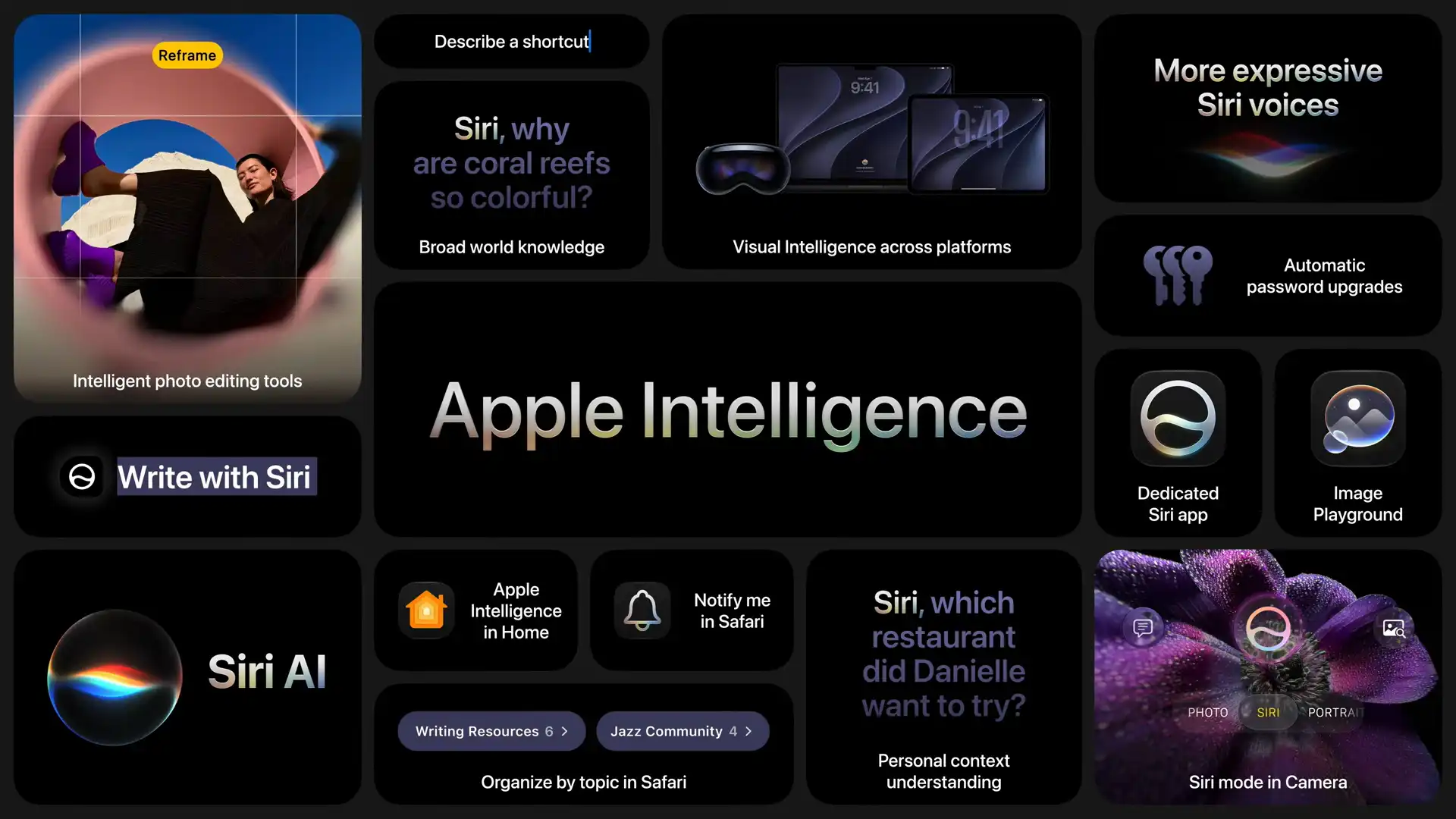
Apple’s upcoming iOS 27 update is poised to introduce a significant evolution in Siri’s capabilities, shifting from a single-assistant model to a multi-agent system designed for handling more intricate tasks. This change promises greater efficiency in managing complex workflows but also introduces new considerations around performance and user experience.
The move toward multi-agent AI suggests Apple is aiming to mirror advancements seen in other tech ecosystems, where multiple specialized AI agents collaborate to solve problems. For power users, this could mean faster task execution—such as juggling calendar events, smart home controls, and third-party app interactions—but it also raises questions about how smoothly these agents will integrate without draining battery life or slowing down devices.
What’s New in iOS 27
- Multi-Agent Siri: A system where multiple AI personas work together, potentially handling different aspects of a request simultaneously. This could improve response times for complex queries but may also increase background activity.
- Performance Impact: Early indications suggest the change could lead to higher CPU and memory usage, which might affect battery life on older devices or those with limited RAM.
- Workload-Specific Benefits: Users managing multiple tasks—such as scheduling meetings while adjusting smart home settings—could see smoother transitions between actions, though the exact workflow improvements remain unclear.
What to Consider
The multi-agent approach is not without trade-offs. While it could streamline advanced use cases, Apple has yet to confirm whether this will come at the cost of battery efficiency or whether the benefits will be noticeable for everyday users beyond power workflows. Additionally, the integration with third-party apps and system-level functions may require further refinement to avoid fragmentation.
Who It’s For
This update is likely targeting users who rely on Siri for complex, multi-step tasks—such as developers, project managers, or those deeply embedded in smart home ecosystems. For casual users, the changes may be less pronounced, but the potential for smoother task transitions could still offer incremental improvements.
What Remains Unclear
- Battery Life Impact: Whether the multi-agent system will significantly drain power on devices with limited resources, such as those with 4GB of RAM or older A-series chips.
- Third-Party Integration: How well non-Apple apps and services will integrate with the new Siri agents, particularly in scenarios requiring real-time data synchronization.
- User Customization: The extent to which users can control or disable specific AI agents, allowing for granular performance tuning if needed.
The multi-agent shift represents a notable departure from Apple’s traditional approach, where simplicity and battery efficiency often took precedence. If executed well, it could position iOS 27 as a turning point for Siri’s capabilities—but whether the trade-offs are worth it remains an open question for users deciding when to upgrade.