Apple has taken a different path with its AI features this time, prioritizing real-world utility over viral spectacle. The new tools, arriving in the coming months, are designed to streamline tasks like scanning receipts or creating custom Safari extensions without demanding user attention.
The approach avoids the pitfalls of gimmicky AI innovations seen elsewhere, instead embedding intelligence into everyday workflows. Whether these changes feel like genuine improvements or just another layer of convenience remains to be seen, but Apple’s methodical approach suggests they may stick.
- Scan and split bills: Point an iPhone camera at a restaurant receipt to automatically extract itemized costs, then share your portion via Apple Cash without manual entry.
- Custom Safari extensions: Describe in plain language what you want the browser to do (e.g., 'save cooking recipes'), and Apple Intelligence generates it on demand.
- Instant Wallet passes: Scan a paper ticket or membership card lacking digital support, and Visual Intelligence auto-creates an Apple Wallet entry with details intact.
- Auto-fix passwords: A Passwords app feature uses AI agents to log in and strengthen weak credentials, leveraging Private Cloud Compute for privacy.
- Call Context: During customer service calls, the system surfaces account numbers or confirmation codes without leaving the conversation.
The first four features rely on Apple’s Visual Intelligence engine, which has evolved from its original photo-editing roots. It now parses text-heavy documents like receipts, extracts structured data (e.g., item names and prices), and even handles semi-unstructured inputs like handwritten notes or blurred barcodes—though reliability in low-light or messy scenarios remains untested.
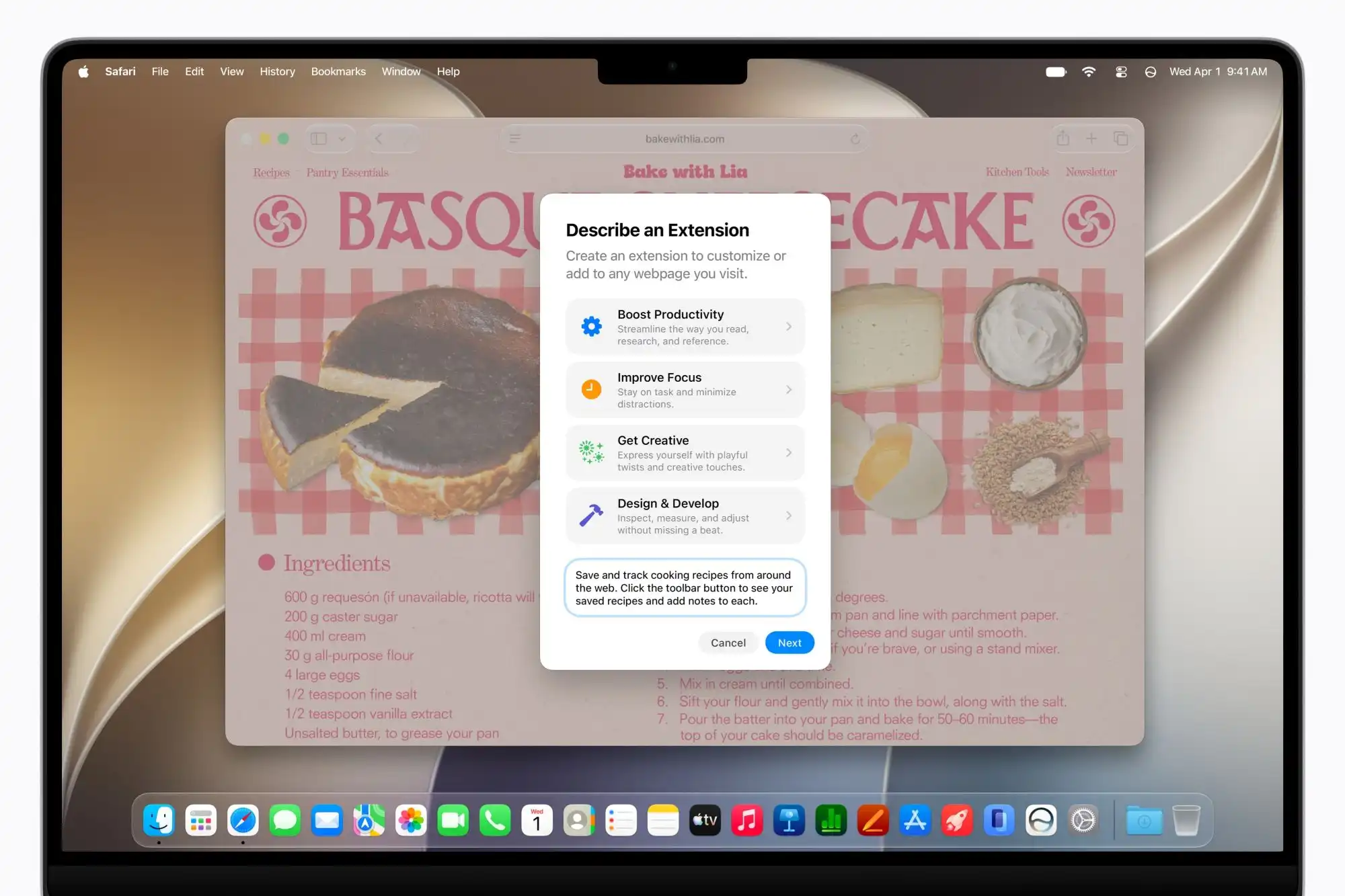
What stands out isn’t the raw power but the friction removed. Splitting a bill used to require typing each line; now it’s a camera scan followed by a tap. Creating an extension that once demanded coding knowledge is reduced to a natural-language prompt. Yet skepticism lingers: will these tools feel seamless, or will they add another layer of complexity? Apple’s track record suggests the former, but the true test lies in how users adopt them when they land.
The rollout timing—likely tied to iOS 18—and whether the Private Cloud Compute backbone delivers on its privacy promises without sacrificing performance will be key. If it does, Apple may have found a smarter way forward than chasing the next AI flashpoint.