Arc Raiders was designed as a social experiment—a game where players could coexist in the same world, but never forced to. Yet what emerged in its early public playtesting was something the developers didn’t anticipate: a thriving culture of cooperation. While internal and prior closed tests revealed a hyper-aggressive player base, the real-world experience showed something far different. Players weren’t just hunting each other; they were forming temporary alliances, sharing loot, and even creating roleplay lobbies centered around non-violent interaction.
This shift caught the development team off guard. The game’s design director acknowledged that the emergence of these ‘care bear’ lobbies—where players prioritize teamwork over conflict—has prompted a deliberate rethinking of how Arc Raiders evolves. The goal now is to provide more structured opportunities for friendly interactions, not just as an afterthought, but as a core part of the experience.
The challenge lies in balancing these two extremes. Hardcore PvP players still dominate discussions about the game’s competitive edge, and the team remains committed to ensuring that player-versus-player interactions are fair and engaging. Yet the rise of cooperative play has forced them to consider how to accommodate both audiences without alienating either. The mantra remains unchanged: the game will never demand that players fight one another, but it will continue to support those who choose to.
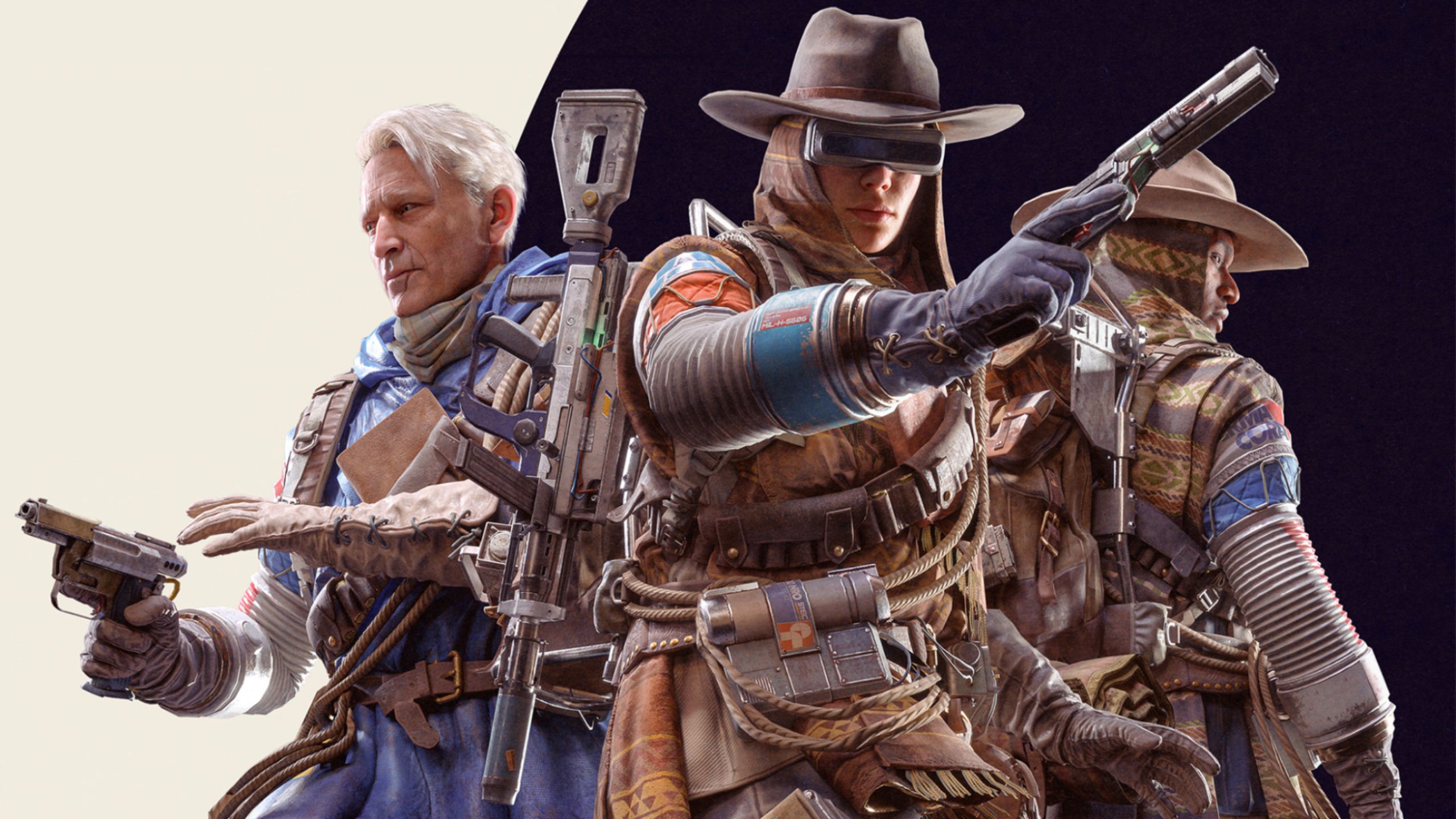
This balancing act extends beyond mechanics. The development team has observed players engaging in unexpected social dynamics—such as deliberate deception to provoke conflicts among others, only for those conflicts to spiral into chaotic group punishments. It’s a reminder that even in a game designed around individual agency, emergent storytelling thrives when players are given the freedom to shape their own narratives.
For now, the focus is on refining systems that allow both cooperative and competitive play to coexist. The hope is that by providing the tools for these interactions—whether through shared objectives, roleplay-friendly zones, or even unintended emergent gameplay—the community will continue to surprise developers with the creativity it brings to the world.
The game’s design philosophy now leans heavily on player-driven storytelling. Rather than scripting interactions, the team prefers to offer the context and mechanics for players to define their own experiences. Whether that means forming temporary alliances, engaging in psychological warfare, or simply avoiding conflict altogether, the goal is to let the community lead.