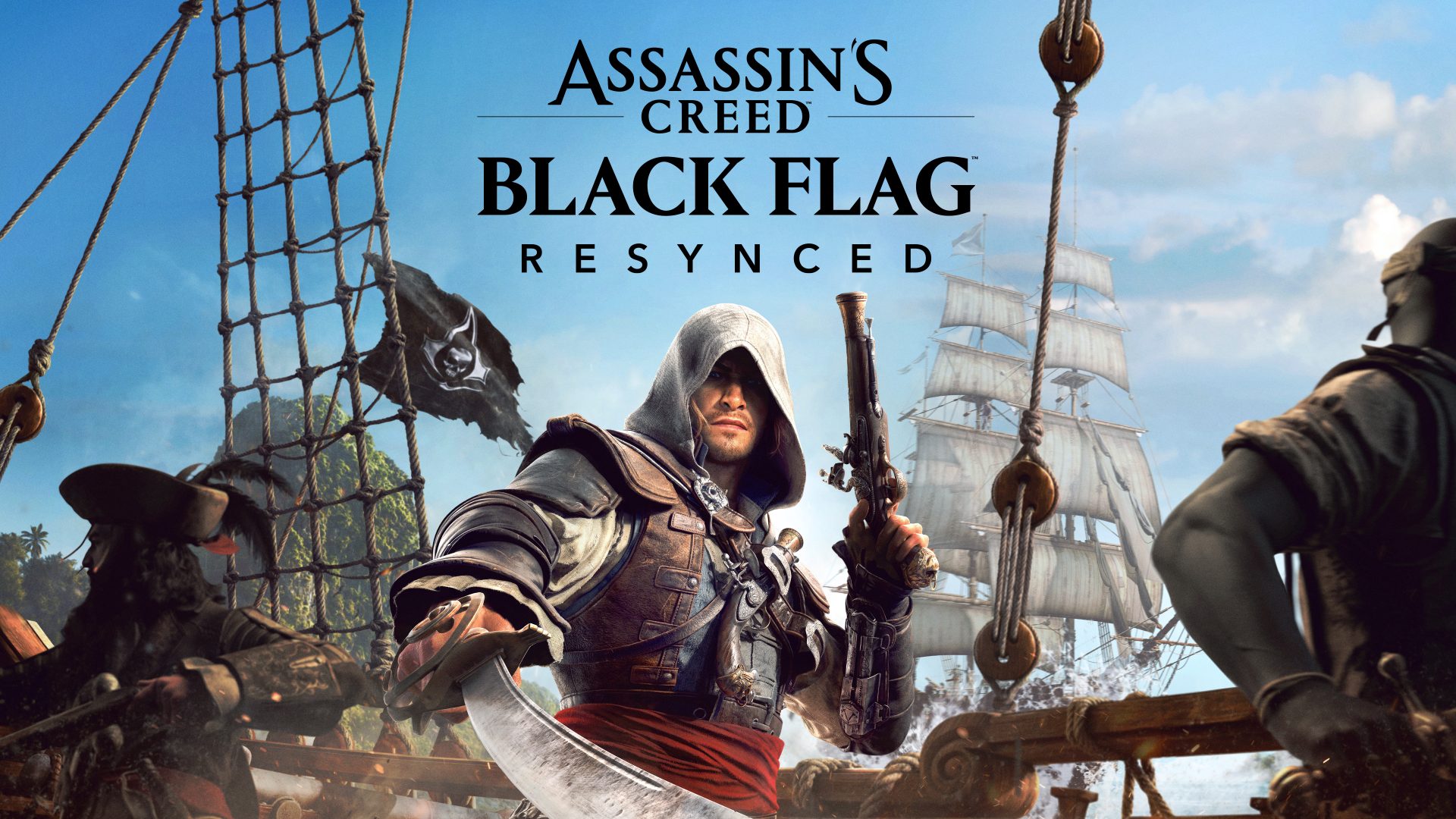
Assassin’s Creed Black Flag is undergoing a transformation that goes beyond mere graphical upgrades. The 2013 classic, known for its tight narrative and naval combat, will be reimagined with modern technology to create a more immersive experience without losing the charm that made it beloved.
The remake introduces a fully overhauled visual system designed to push hardware limits. While details like resolution scaling and texture streaming are being refined, the focus is on dynamic lighting and fluid physics—elements that will make the Caribbean feel alive in ways the original couldn’t achieve. Naval battles, a cornerstone of Black Flag, have been reworked with smoother ship handling, more realistic damage models, and expanded fleet encounters. Players won’t just sail; they’ll experience the weight of cannons, the tension of boarding actions, and the strategic depth of large-scale skirmishes.
One of the most significant changes is the addition of a ‘resync’ mode, which allows players to replay key moments with updated mechanics. This isn’t a replayability gimmick; it’s a deliberate effort to evolve gameplay while keeping the core experience intact. For example, stealth sections—whether in Havana or on Blackbeard’s ship—will now feature enhanced AI pathfinding and environmental interactions, making them more challenging and rewarding.
The game’s open world is being expanded with new islands, ports, and hidden locations, all designed to feel authentic without veering into anachronism. Historical accuracy extends beyond visuals; the remake incorporates updated research on 18th-century piracy, from naval tactics to daily life in pirate havens. This attention to detail means that players will encounter more dynamic NPC behavior, with merchants, soldiers, and fellow pirates reacting to Edward’s actions in ways that feel organic.
For creators, the remake represents a shift toward longer playtimes and deeper customization. While the original Black Flag was praised for its tight scope, this version introduces new systems like ship upgrades, crew management, and treasure-hunting mechanics that encourage exploration beyond the main story. These additions are designed to appeal to both casual players and hardcore fans who want to dive deep into Edward’s world.
Integration with Ubisoft’s ecosystem is another key focus. Cloud saves, cross-platform progress, and seamless transitions between single-player and multiplayer elements (like shared loot tables) are being built in from the ground up. This isn’t just about convenience; it’s about creating a living experience that evolves even after players finish the main campaign.
The biggest question remains: How much of the original’s magic will remain? The remake doesn’t aim to replace the 2013 experience but to complement it. Some fans may miss the tighter narrative focus, while others will appreciate the expanded content and modernized mechanics. With Ubisoft’s track record of balancing innovation with nostalgia, this version has the potential to redefine what a remake can achieve—proving that a pirate tale from a decade ago still has stories worth telling.