The ASUS ROG Xbox Ally X is now significantly more expensive in Japan, with the 24GB LPDDR5X variant rising by 21%—from ¥139,800 to ¥169,000 including tax. This marks the latest casualty of the ongoing DRAM shortage, a crisis that has already disrupted PC hardware pricing globally. While the standard ASUS ROG Ally X (16GB LPDDR5) remains unaffected, the spike in the premium model suggests broader supply constraints may be tightening.
Japan has become an early indicator for hardware price shifts, with Acer Japan also announcing recent increases for laptops and desktops. For now, U.S. pricing for the Ally X remains unchanged, but industry observers warn that similar adjustments could follow if memory shortages persist.
Why This Matters
The surge reflects a dual challenge: the Ally X’s reliance on high-bandwidth LPDDR5X memory and the broader industry shift toward DDR6 and next-gen RAM. With DRAM manufacturers like Micron scaling back consumer divisions and SK Hynix forecasting tight supplies through 2028, even niche devices like the Ally X are vulnerable. The 24GB configuration—targeted at developers and power users—now costs nearly as much as a mid-range gaming GPU, raising questions about accessibility.
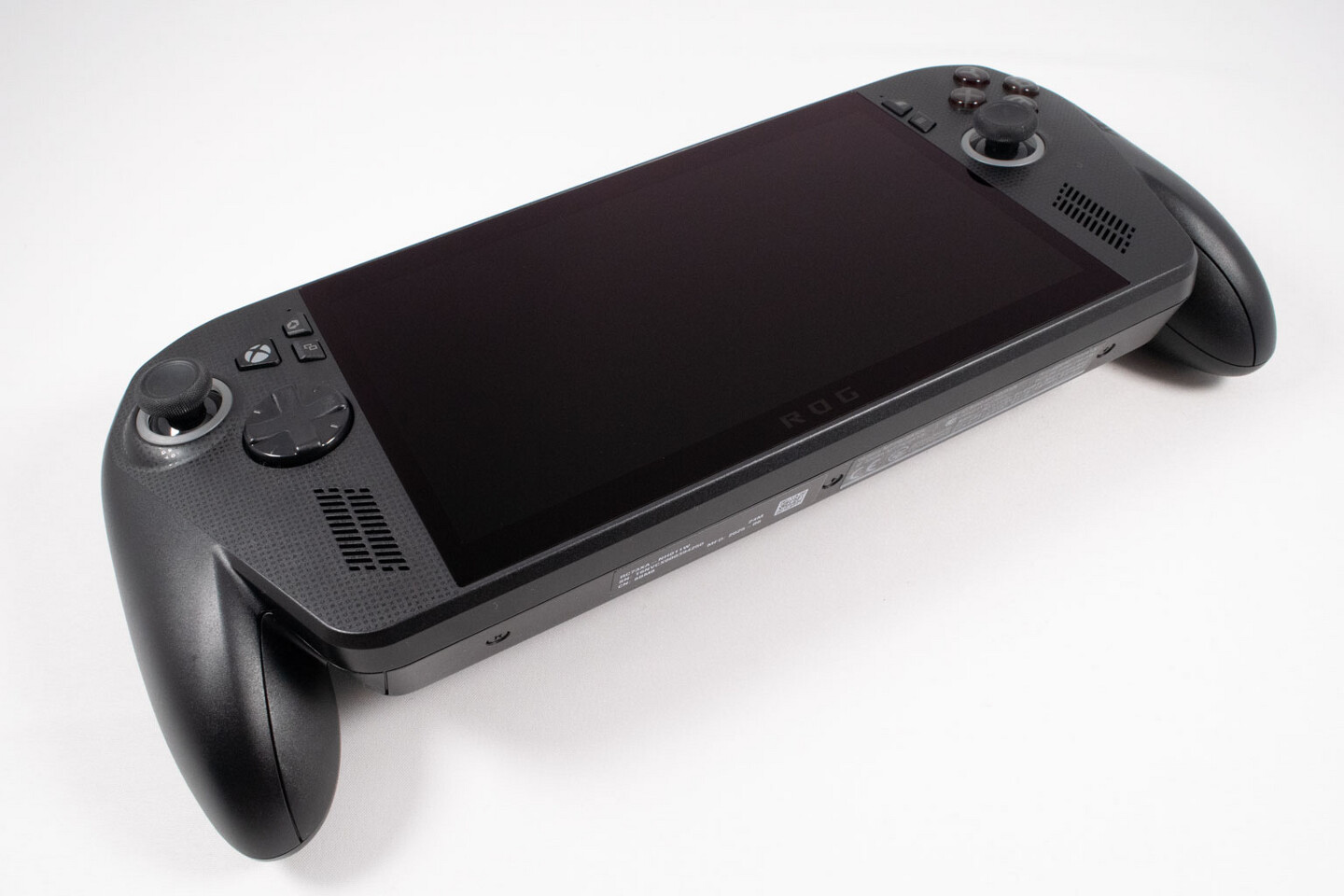
Key Specs: ASUS ROG Xbox Ally X (24GB LPDDR5X)
- Memory: 24GB LPDDR5X (vs. 16GB LPDDR5 in base model)
- Price Increase: ¥139,800 → ¥169,000 (+21%) in Japan
- Regional Impact: U.S. pricing unchanged (as of now)
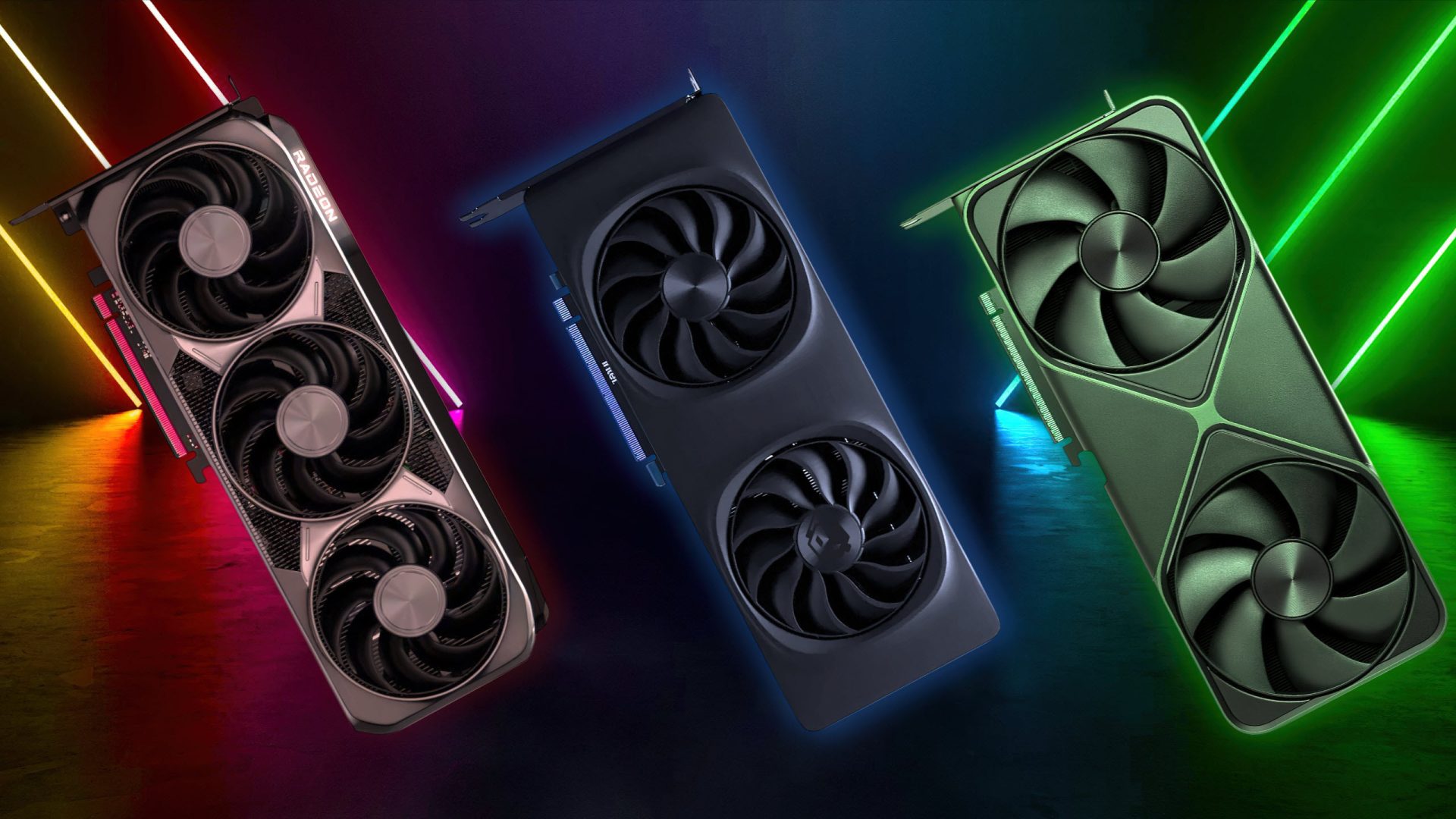
- Broader Trend: DRAM shortages affecting GPUs (e.g., RTX 5070 Ti production cuts) and laptops
The Ally X’s memory upgrade positions it as a developer-focused device, but the price hike may limit adoption. Meanwhile, the standard 16GB model avoids the surge, underscoring how even small spec changes can trigger supply-driven inflation. With no immediate relief in sight for DRAM shortages, similar adjustments could become standard across hardware categories.
What’s Next?
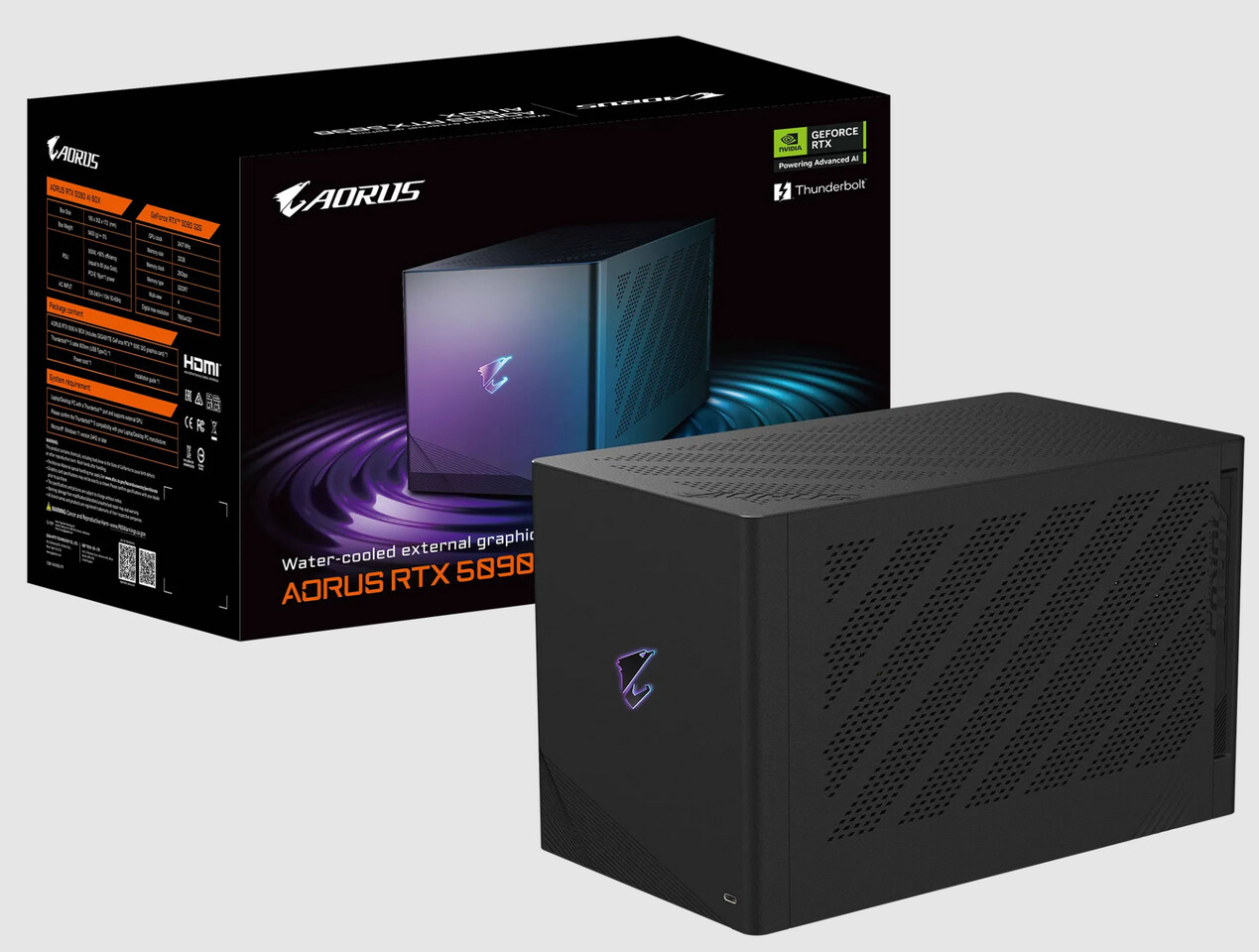
ASUS has not confirmed a global price adjustment, but the Japanese spike sets a precedent. Industry analysts suggest the memory crunch—exacerbated by AI demand and manufacturing bottlenecks—will keep hardware costs elevated. For consumers, the Ally X’s premium pricing may now resemble that of high-end GPUs like the RTX 5090 ($5,000), though its use case remains distinct. The question remains: Will this be an isolated regional blip, or the start of a broader trend?