The latest ASUS ROG Zephyrus lineup has arrived in Taiwan, featuring three models that blend cutting-edge performance with premium design. The Zephyrus Duo, G14, and G16 are built around NVIDIA’s RTX 50-series GPUs paired with Intel Core Ultra 9 processors, catering to users who demand both raw power and portability.
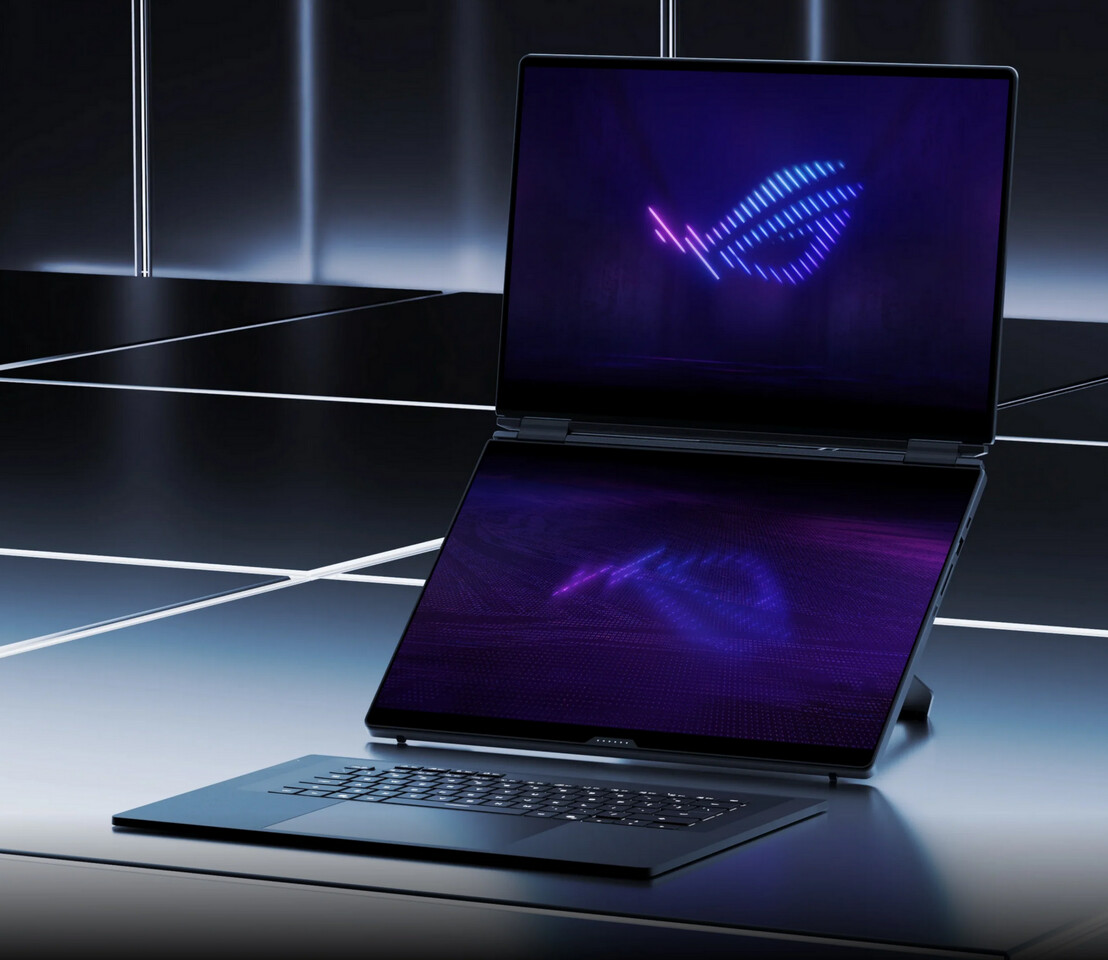
At the top of the range is the Zephyrus Duo, which stands out with its dual 16-inch OLED displays. This model packs an RTX 5090 GPU with 24 GB GDDR7 memory, alongside up to 64 GB of LPDDR5X RAM and a 16-core Intel Core Ultra 9 CPU. Despite its dual-display configuration, the laptop maintains a relatively slim profile at 24.9 mm thick and weighs 2.82 kg. Pricing starts at NT$269,999 (approximately $8,570).
The G16 offers three configurations, each featuring a single 16-inch OLED display with 240 Hz refresh rate and 100% DCI-P3 color coverage. The GPU options include the RTX 5060, RTX 5070, or RTX 5070 Ti, with the latter capable of reaching up to 1497 MHz boost clock under manual settings. The top-tier G16 can be equipped with 64 GB of LPDDR5X memory, while the other variants max out at 32 GB. Pricing for the G16 begins at NT$109,999 (around $3,492).
The Zephyrus G14 takes a more compact approach, featuring a 14-inch OLED display with similar performance metrics to the G16’s top model. It is powered by an RTX 5070 Ti GPU that can be manually boosted to 1812 MHz and 130 W power draw. The laptop retains up to 64 GB of LPDDR5X memory and weighs 1.58 kg, with a thickness of just 18.3 mm at its thickest point. Its starting price is NT$169,999 (approximately $5,396).
Engineering tradeoffs: balancing power and portability
The Zephyrus Duo’s dual-display setup presents an interesting engineering challenge, as ASUS has managed to incorporate two 16-inch OLED panels without significantly increasing thickness. The use of a MUX switch and NVIDIA Advanced Optimus allows the GPU to be disabled when not needed, which could help manage heat and power consumption during less demanding tasks.
For users focused on raw performance, the RTX 5090 in the Duo offers significant headroom for workloads like AI rendering or high-refresh-rate gaming. However, the price tag reflects its positioning as a premium, enthusiast-level product. The G16 and G14, while more compact, still deliver strong performance with their respective GPUs, making them suitable for users who need a balance between power and portability.
All three models feature advanced connectivity options, including HDMI 2.1, USB4/Thunderbolt 4, and UHS-II SD card readers, ensuring they meet the needs of both creative professionals and gamers. The inclusion of Pantone-validated OLED displays further emphasizes their target audience, which likely includes video editors, digital artists, and content creators.
The pricing for these laptops is notably high, especially when converted to USD, but it aligns with the trend of premium hardware in 2026. While international prices may vary, the Taiwanese listings provide a benchmark for what users can expect in other markets. For those willing to invest in top-tier performance and build quality, these models represent a compelling option, though they may not be practical for budget-conscious buyers.
The next generation of GPUs from NVIDIA is already on the horizon, with rumors suggesting significant improvements in ray tracing capabilities. Until then, the RTX 50-series remains a benchmark for high-performance mobile computing, and ASUS’s latest offerings push that boundary even further.