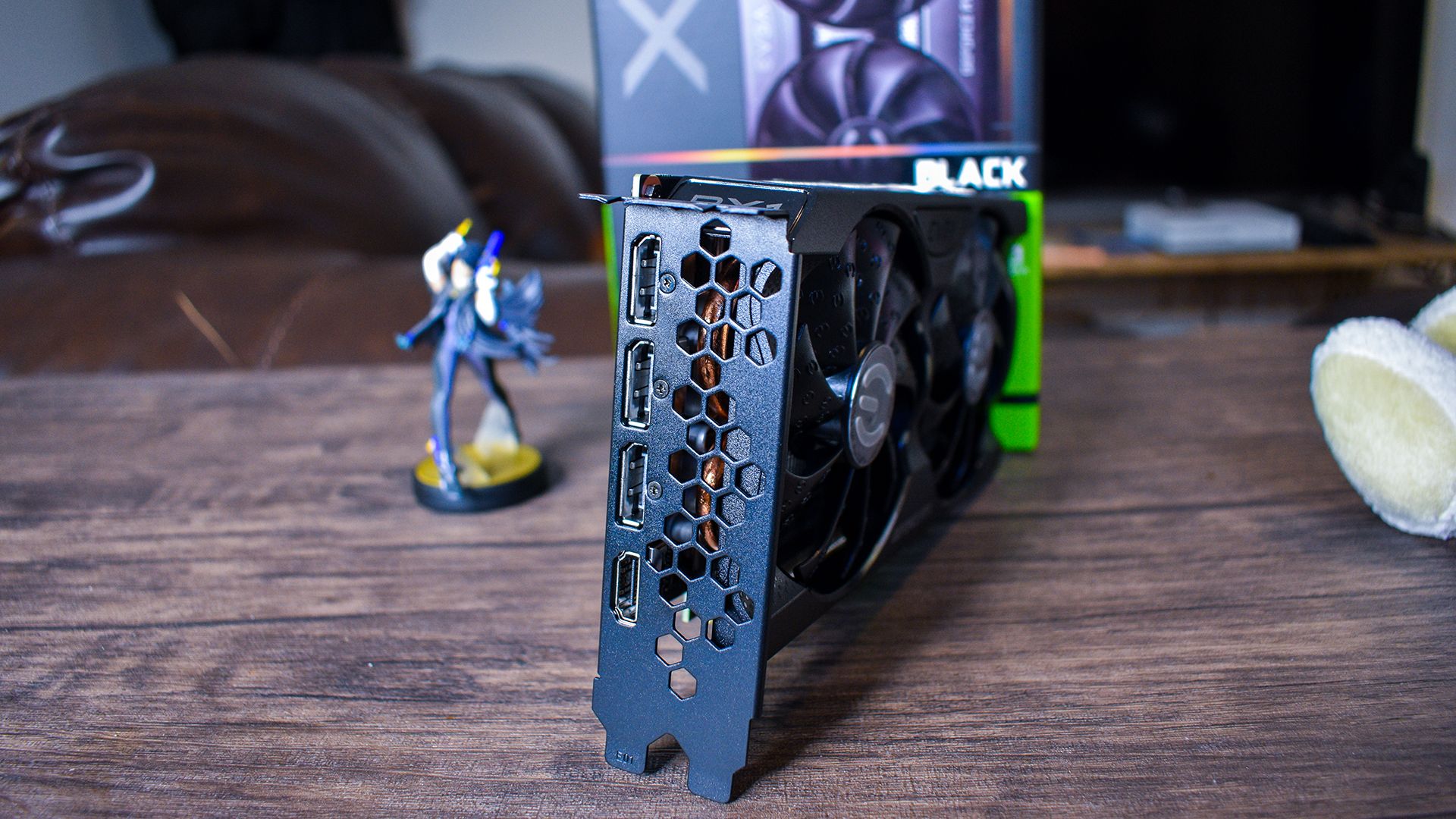
NVIDIA’s RTX 50-series GPUs have long been the go-to choice for high-performance gaming and content creation, but their bulky designs have often clashed with the growing popularity of small-form-factor (SFF) PCs. ASUS is now addressing that gap with the RTX 5070 EVO Dual—a reimagined version of the card that crams its full 12GB of GDDR6 memory and Ada Lovelace architecture into a chassis just 229 × 120 × 50 mm, making it one of the thinnest RTX 5070 models on the market.
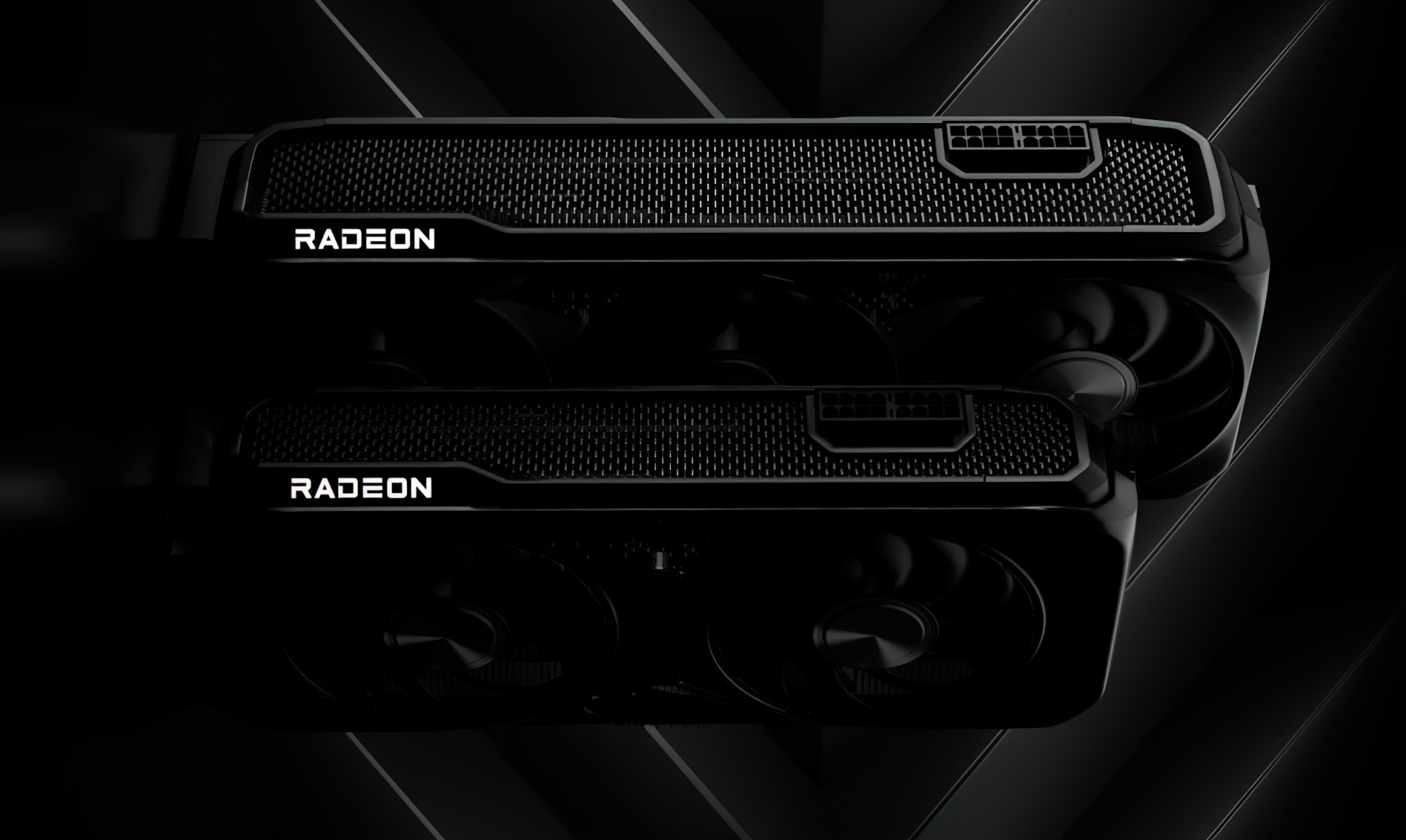
Unlike its predecessors, which relied on a 2.0-slot profile, the new EVO Dual adopts a 2.5-slot design—still slimmer than competitors like ASUS’s own ROG Strix RTX 5070 (3.2 slots) but thick enough to accommodate dual Axial fans and a robust heat sink. The cooler features a flow-through design, with the rear fan expelling hot air away from the system, while the shroud maintains a minimalist, angular aesthetic that avoids the aggressive styling of some high-end models.
The most striking change, however, is the centralized PCIe power connector. Traditionally placed at the rear, ASUS has repositioned it to the side, a move that could simplify cable management in cramped builds. This tweak, combined with the card’s reduced length, makes it a compelling option for SFF cases where rear I/O and power delivery are constrained.
Performance Tweaks Without the Premium Price
The RTX 5070 EVO Dual and its OC variant share the same core specifications, but ASUS has optimized clock speeds for better real-world performance. The standard model boosts to 2,512 MHz, while the OC edition pushes further to 2,542 MHz in standard mode and 2,572 MHz under overclocking. These adjustments are modest but could translate to noticeable gains in demanding workloads, particularly in ray-traced games or AI-assisted rendering.
What sets the OC model apart isn’t just higher clocks—it’s the lack of additional cooling or VRM upgrades. The tweaks appear to be purely vBIOS-based, meaning users of the standard EVO Dual could achieve similar performance with manual tuning via GPU Tweak III. This suggests ASUS is targeting enthusiasts who prioritize compact designs over incremental performance bumps.

A Card Built for the Constrained
The RTX 5070 EVO Dual isn’t just a repackaged version of existing models—it’s a deliberate response to the limitations of SFF builds. Most high-end GPUs demand 3.2 slots or more, forcing compromises in case airflow, power delivery, and even motherboard compatibility. ASUS’s solution keeps the 12GB GDDR6 memory and full Ada Lovelace feature set intact while fitting into tighter spaces, making it ideal for
- Small-form-factor PCs: Cases like the Fractal Node 804, Lian Li Q58, or InWin 903 can now accommodate a high-end GPU without sacrificing internal volume.
- Multi-GPU setups: The reduced length allows for better spacing between cards in dual-GPU configurations, improving cooling efficiency.
- Upgraded mini-ITX builds: Users with limited rear I/O ports benefit from the centralized power connector, reducing cable clutter.
That said, the tradeoff is a 2.5-slot profile—thinner than the RTX 5060 EVO’s 2.0-slot design but still thicker than ultra-compact options. For those prioritizing absolute space savings, ASUS’s RTX 5060 EVO Dual remains the better choice. The RTX 5070 EVO Dual, however, bridges the gap between performance and form factor, offering near-flagship capabilities in a package that won’t overwhelm a mini-tower.
Pricing remains unconfirmed, but given the RTX 5070’s typical MSRP of around $500, the EVO Dual is likely positioned as a premium SFF-focused alternative. Availability is also unclear, though ASUS’s product pages suggest these cards are in development—potentially arriving ahead of CES 2026, where compact hardware innovations often take center stage.
For SFF builders tired of sacrificing GPU power for case compatibility, the RTX 5070 EVO Dual could be a game-changer. It’s not the fastest card on the market, but in a segment where space is currency, its compact design might just redefine what’s possible in a tiny chassis.