ASUS has quietly realigned the pricing of its laptop lineup, introducing significant cost adjustments that could reshape how consumers view value in mid-range devices. The changes affect models across three platforms—Intel, AMD, and Qualcomm’s Snapdragon X2 Elite—with some configurations seeing increases as steep as 35%, effectively pushing them into higher price brackets.
The rebranding of ASUS’s laptop strategy follows a rapid-fire sequence of announcements. Just days earlier, the company had introduced its latest Zenbook models alongside Qualcomm’s new Snapdragon X2 Elite series, a platform designed to deliver balanced performance and efficiency in consumer devices. Yet, within 48 hours, those same products were marked up through launch partners, including Best Buy, without prior notice to reviewers or consumers.
For example, the ASUS Zenbook 14, originally priced at $1,000, now carries a tag of $1,350—a 35% jump that redefines its market positioning. Similarly, the Zenbook S16 saw its price climb from $1,600 to $1,900, while the A14 and A16 models also experienced increases ranging from $200 to $300. The Snapdragon X2 Elite-based laptops, while not immune to price hikes, saw more modest adjustments—typically between $100 and $250—compared to their Intel and AMD counterparts.
This shift is particularly notable because it occurs at a time when platform efficiency has become a key differentiator. Qualcomm’s Snapdragon X2 Elite, built around the Tensor core architecture, promises improved performance-per-watt metrics, which could theoretically justify higher costs in workload-specific scenarios—such as extended battery life or thermal management. However, the uniform price increases across all platforms suggest that ASUS is prioritizing margin over platform-specific value propositions.
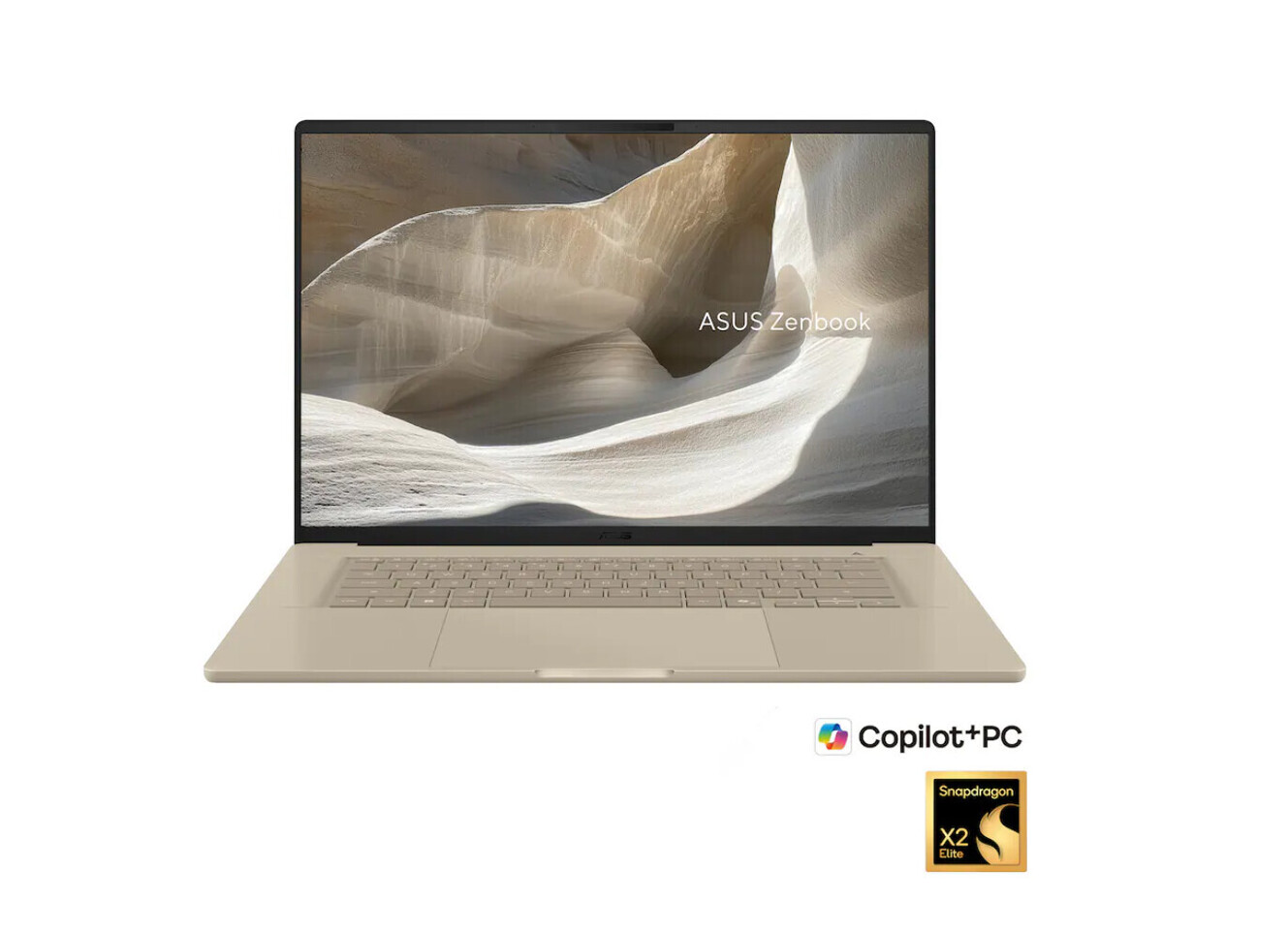
For everyday buyers, the implications are clear: devices that were once positioned as accessible options for students or budget-conscious professionals now carry premium pricing. The Zenbook 14, for instance, was designed to compete in the $1,000 ultraportable segment, but its new price point aligns it more closely with workstation-class laptops. This could limit its appeal to cost-sensitive users unless ASUS introduces corresponding feature upgrades or performance boosts.
What remains unclear is whether these price adjustments are a one-time correction or the start of a broader rethinking of ASUS’s laptop strategy. The company has historically balanced innovation with affordability, particularly in its Zenbook series, which has become synonymous with ultraportable design and efficiency. If this trend continues, it may force consumers to reconsider whether the platform lock-in benefits—such as optimized software or ecosystem integrations—are worth the premium.
For now, buyers should weigh the tradeoffs carefully. The Snapdragon X2 Elite platforms, with their emphasis on thermal efficiency and sustained performance, could still offer compelling value in niche workloads like content creation or extended battery use. However, for general-purpose users, the price increases may narrow the gap between what ASUS offers and more established players in the mid-range market.