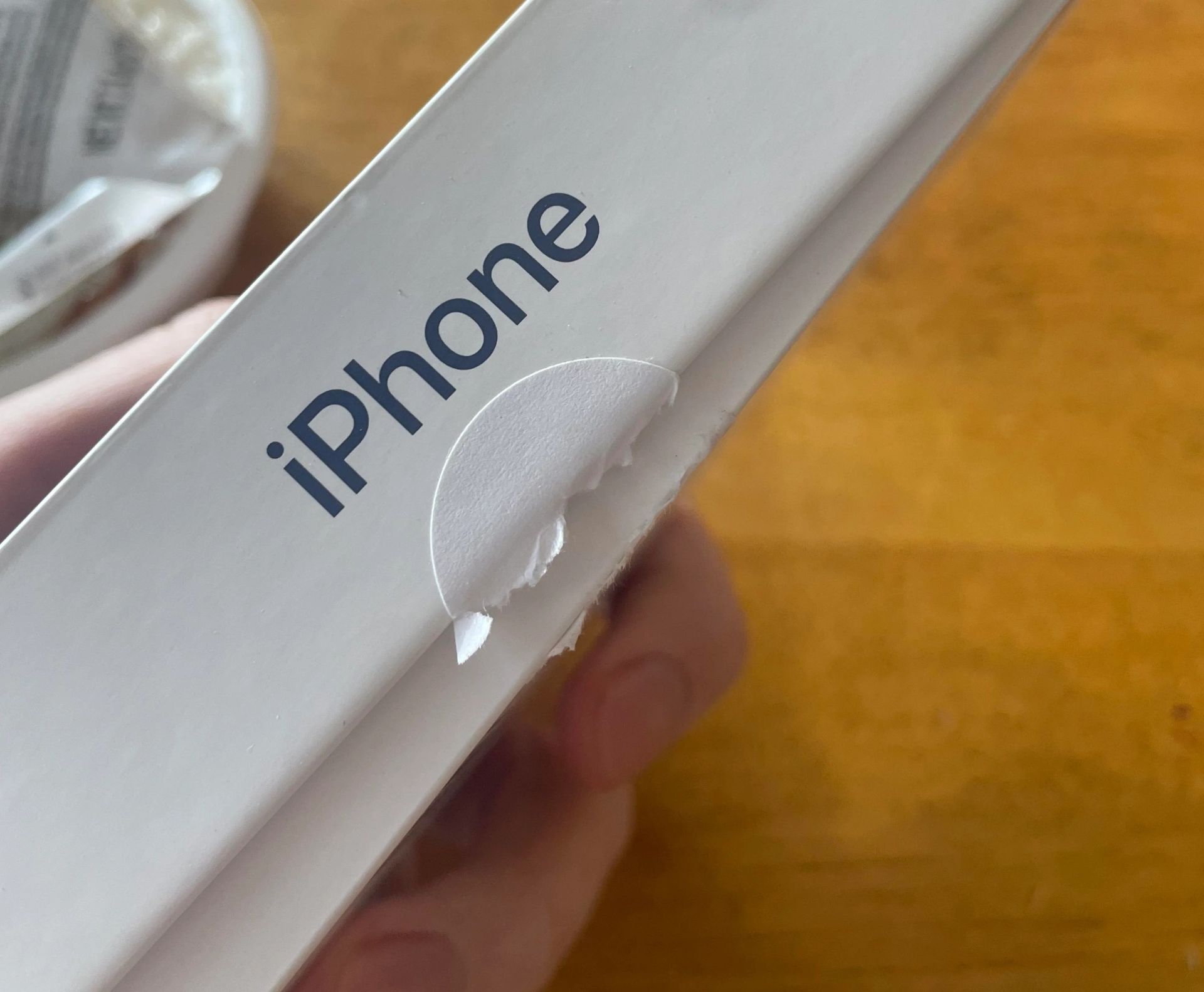
The promise of a brand-new smartphone often hinges on trust—trust in the carrier’s supply chain, trust in quality control, and trust that customer service will right wrongs quickly. For one AT&T customer, that trust shattered after receiving an iPhone 17 Pro with clear signs of prior handling: a broken factory seal and a smudged screen. What followed was a days-long ordeal, a refusal to accept responsibility, and a financial penalty that turned a simple exchange into a threefold price hike.
The incident underscores a growing frustration among consumers over carrier handling of high-end devices, where even minor mishaps can spiral into bureaucratic nightmares. In this case, the customer’s persistence—spanning over 10 hours on calls and multiple days of back-and-forth messages—only revealed a system more interested in protecting its own processes than resolving the issue.
The story begins with an order placed through AT&T, where the customer expected a seamless transaction: no down payment, just $91.30 in sales tax for the iPhone 17 Pro. Instead, the unboxing revealed a device that had already been opened and improperly resealed. The display bore smudges, and the factory seal was visibly damaged—clear indicators the phone had been returned, inspected, and repackaged as new.
Key FactsDevice Condition: Broken factory seal, smudged display (suggesting prior opening).Initial Order: $0 down payment, $91.30 sales tax.Replacement Demand: AT&T initially refused, citing the order was placed online.Support Duration: Over 10 hours on calls, multiple days of chat exchanges.Trust Barrier: Customer service demanded proof of unboxing with no witnesses, dismissing claims as unverifiable.Financial Penalty: Replacement terms included $165 down payment and $107.80 sales tax, totaling $272.80—nearly triple the original $91.30.Account Status: Two weeks later, no resolution; original tax not refunded, replacement not delivered, and the account remains in limbo.
The financial kicker came when AT&T processed the exchange. Despite no changes to the customer’s account—no missed payments, no credit issues—the carrier imposed new financing terms. The original $91.30 tax ballooned to $272.80, with an unexpected $165 down payment justified by a ‘soft credit check.’ The customer, who had done nothing to warrant such a shift, refused the new terms. Yet, even after declining, the phone was never acknowledged as ‘returned’ in AT&T’s system, leaving the original tax unrefunded and the account stuck in administrative purgatory.
Reddit users weighed in with theories: one suggested the phone had been returned by a previous owner, improperly marked as ‘new,’ and shipped to the wrong customer. Others recommended escalating the complaint to the FCC, arguing that AT&T’s handling violated consumer protection standards. For now, the customer remains stuck between a carrier that won’t accept responsibility and a device they can’t trust—one that may have been part of someone else’s return pile.
The incident serves as a cautionary tale for buyers considering carrier-exclusive deals. While AT&T and other carriers often tout convenience, the lack of transparency in supply chains and the rigidity of customer service can turn a simple purchase into a months-long battle. For high-stakes items like the iPhone 17 Pro, where resale and refurbished markets blur with ‘new’ stock, the risk of receiving a mislabeled device is very real—and the consequences, as this customer learned, can be financially crippling.