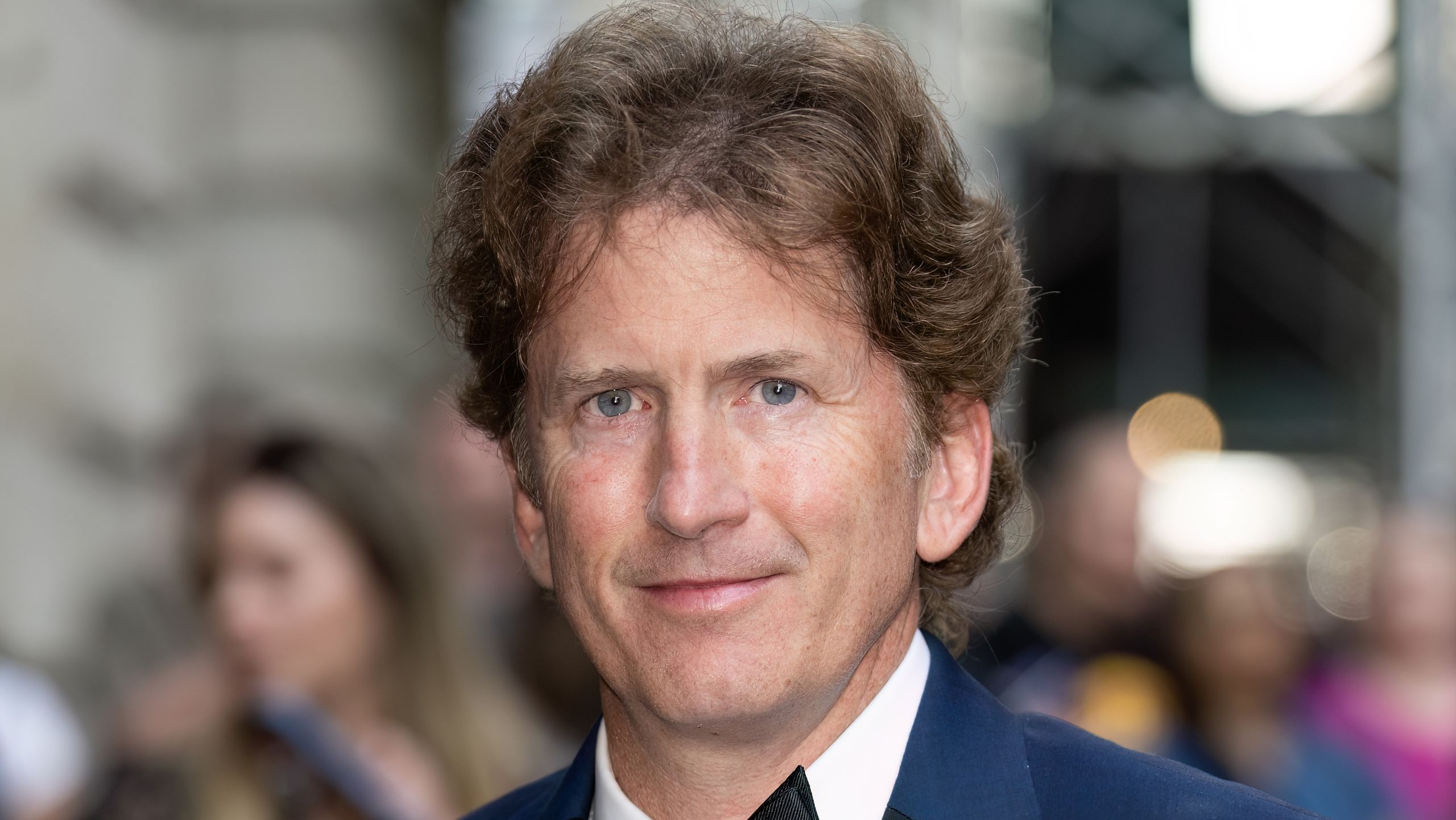
Bethesda’s stance on AI remains deliberately cautious, with CEO Todd Howard framing the technology as a supporting tool rather than a creative force. In recent remarks, he emphasized that while AI is evolving rapidly, Bethesda has no plans to use it for content generation. The focus, instead, is on leveraging AI for data analysis—such as tracking player behavior, inventory patterns, or other large-scale metrics that would otherwise consume significant time and resources.
Howard’s position reflects a broader tension in the industry. While some studios embrace AI as a means to streamline workflows, others—including Bethesda—view it as a potential threat to the handcrafted, intentional design that defines their work. The distinction is critical: AI may optimize processes, but it cannot replicate the nuanced decision-making behind a game’s world-building, storytelling, or artistic direction. For Bethesda, that creative control remains non-negotiable.
The debate over AI’s ethical and artistic implications is far from settled. Critics argue that generative AI, trained on vast datasets without creator consent, risks eroding the value of human creativity. Even if Bethesda’s current use of AI is limited to analytical tasks, the broader industry grapples with questions: How far can automation go before it undermines the very craft it’s meant to assist? And where does the line lie between efficiency and creative dilution?
Howard’s align with Bethesda’s long-standing emphasis on meticulous, human-driven development. Whether that approach will hold as AI tools become more sophisticated—or if the industry will eventually accept a hybrid model—remains an open question. For now, Bethesda is watching, waiting, and keeping its creative vision firmly in human hands.