The Brady M511 is not just another storage device—it’s a rethinking of how labs handle data at scale. Where traditional solutions often struggle with density, cooling, or expandability, the M511 delivers all three in one package. Its arrival could shift the balance for organizations that treat lab storage as an afterthought.
At its core, the M511 is a 4U rackmount system built around a high-performance, dual-controller architecture. It supports up to 288 drives in a single chassis, a figure that immediately sets it apart from competitors. That density comes with real-world benefits: researchers no longer need to juggle multiple enclosures or sacrifice cooling efficiency for capacity. The system maintains a consistent airflow design even when fully populated, a practical detail that matters in environments where heat buildup can slow down experiments.
Performance is another standout feature. With sequential read/write speeds hitting 3,000 MB/s and up to 750,000 IOPS under random workloads, the M511 is built for labs that generate or analyze large datasets—genomics, drug discovery, or high-throughput screening, for example. The dual controllers ensure redundancy without adding complexity; if one fails, the system remains online with minimal disruption. This isn’t just about raw numbers, though. Brady has also integrated smart caching and data placement policies that adapt to workload patterns, which means less manual tuning and more focus on the science.
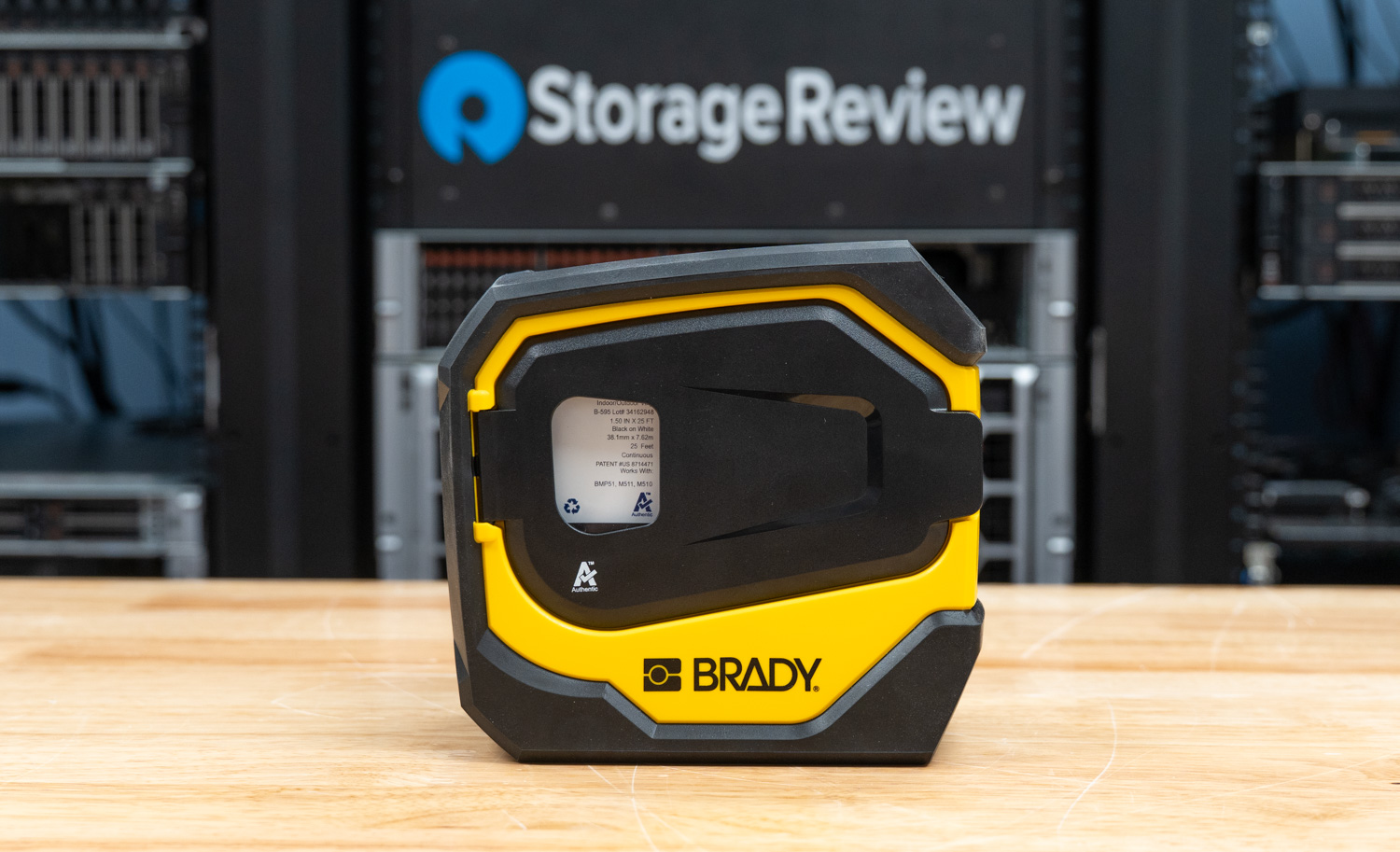
What makes this launch strategic for the ecosystem is its modularity. The M511 doesn’t force labs into a one-size-fits-all solution. Drives can be hot-swapped without downtime, and capacity can scale from 480 TB (with 2.5-inch drives) to over 3 PB (with 3.5-inch models). That flexibility is rare in high-density storage, where vendors often prioritize cost per terabyte over long-term adaptability. For IT teams, it translates to fewer upgrades and more stability—a critical factor when lab budgets are tight.
The system also addresses a common pain point: cooling. Many high-density arrays require additional airflow management or external chillers, which add complexity and cost. The M511 uses a passive heatsink design that keeps temperatures stable even at full load, reducing the need for external cooling infrastructure. That’s a practical advantage in tightly controlled lab environments where every inch of rack space matters.
So why does this matter now? Labs are generating data faster than ever, but storage hasn’t kept pace with the demands of modern research. The M511 bridges that gap by offering density without sacrificing performance or reliability. For IT teams, it’s a chance to future-proof lab infrastructure before capacity becomes a bottleneck. The question isn’t whether labs will adopt this kind of solution—it’s how quickly they can scale to meet the needs of tomorrow.
The Brady M511 is available now for pre-order, with shipments starting in Q3 2024. Pricing starts at $8,999 for a base configuration, with tiered options based on drive type and capacity. For labs that can’t afford to wait, this could be the moment to label their storage strategy—before it’s too late.