Pearl Abyss has never shied away from bold moves. The studio behind *Black Desert Online*—a franchise that dominated the MMO landscape with **55 million players** and **$2 billion** in revenue—is now betting its future on a game that rejects nearly everything that made its legacy possible. *Crimson Desert* isn’t just a new IP; it’s a deliberate pivot toward a genre Pearl Abyss has never fully embraced: the solo-focused, survival-action RPG.
The shift is deliberate. While *Black Desert* thrived on large-scale raids, guild politics, and a monetization model built around microtransactions, *Crimson Desert* strips away those pillars. In their place: a world where players scavenge for resources, manage hunger and thirst, and engage in dynamic combat that reacts in real time. It’s a design philosophy that aligns more closely with *Dark Souls* or *Elden Ring* than with traditional MMOs—but whether it will resonate with Pearl Abyss’s core audience remains the million-dollar question.
The game’s **$50 base price** signals its ambition. Unlike *Black Desert*, which relied on a free-to-play model with premium expansions, *Crimson Desert* is positioning itself as a premium title—one that competes with AAA open-world RPGs like *The Witcher 3* or *Horizon Forbidden West*. The absence of a free-to-play model suggests Pearl Abyss is targeting players willing to invest in a narrative-driven experience rather than those chasing long-term progression or social features.
Survival as a Core Mechanic
At the heart of *Crimson Desert* is survival. Players won’t just fight monsters—they’ll need to hunt, gather, and manage limited resources to stay alive. This isn’t a gimmick; it’s a fundamental design choice that forces players to think strategically beyond combat. Early details suggest
- A **reactive world** where player actions—such as looting camps or burning forests—alter the environment, creating a living ecosystem.
- **Dynamic weather and day-night cycles** that influence enemy behavior, resource availability, and even faction conflicts.
- **Hunger and thirst systems** that punish careless play, rewarding those who plan ahead.
- **Territorial control** through faction warfare, where players can join or oppose groups vying for dominance in the desert realm.
The combat system, too, breaks from Pearl Abyss’s traditional turn-based or action-RPG hybrids. Instead, it leans into real-time, skill-based duels where timing and positioning matter as much as button-mashing. This could appeal to fans of *Dark Souls*-style combat, but it may also frustrate players accustomed to *Black Desert*’s more forgiving mechanics.
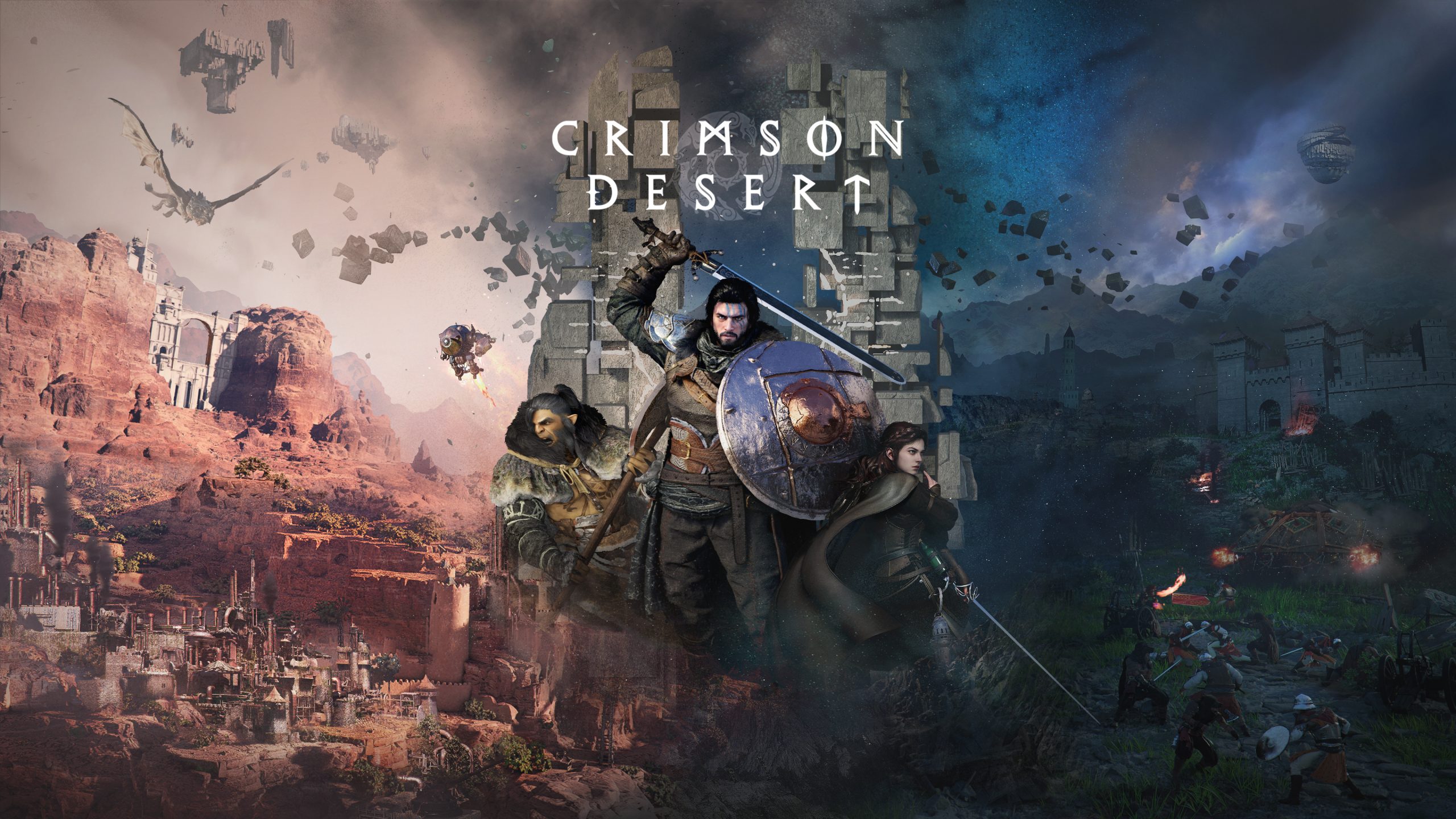
A World Without Guilds—or Is It?
Perhaps the most controversial omission is the lack of guilds—a cornerstone of *Black Desert*’s social experience. While *Crimson Desert* will support co-op dungeons and small-group play, there’s no indication of persistent guild structures. This raises critical questions
- **Will solo players feel isolated?** Without guilds or large-scale raids, the game risks losing the communal aspects that kept *Black Desert* alive for a decade.
- **How will endgame content scale?** MMOs like *Final Fantasy XIV* and *World of Warcraft* thrive on ever-expanding raids and player-driven events. *Crimson Desert*’s survival mechanics may not lend themselves as easily to such systems.
- **Can Pearl Abyss monetize without microtransactions?** *Black Desert*’s revenue came from cosmetic items, expansions, and in-game purchases. *Crimson Desert*’s premium model suggests a reliance on DLC or season passes—but whether that’s enough to sustain a **$50 million** development budget remains unproven.
The studio’s acquisition of CCP Online—the developer behind *EVE Online*—hints at a broader strategy. While *Crimson Desert* isn’t a direct successor to *EVE*, it shares an interest in player-driven economies and large-scale conflicts. Whether this translates into territorial PvP or faction-based warfare is unclear, but the game’s design suggests Pearl Abyss is experimenting with hybrid multiplayer experiences.
The Desert Awaits—But Will Players Follow?
As of now, *Crimson Desert* remains shrouded in mystery. No official trailer exists, and key details—such as release timing, server regions, and monetization—are still unconfirmed. What is clear is that Pearl Abyss is taking a calculated risk. The studio’s success hinges on whether players are ready to abandon the social and progression-driven gameplay of *Black Desert* for a survival-focused, solo-friendly adventure.
For fans of *Elden Ring* or *The Witcher*, the game’s premise is compelling. For Pearl Abyss’s core audience, it may feel like a departure too far. The studio’s track record suggests it won’t back down easily—but in an industry where trends shift faster than ever, *Crimson Desert*’s fate may hinge on whether it can redefine what a fantasy RPG should be.
One thing is certain: this won’t be another *Black Desert*. It’s Pearl Abyss’s chance to prove it can innovate beyond its legacy—or risk fading into obscurity in a genre it once dominated.