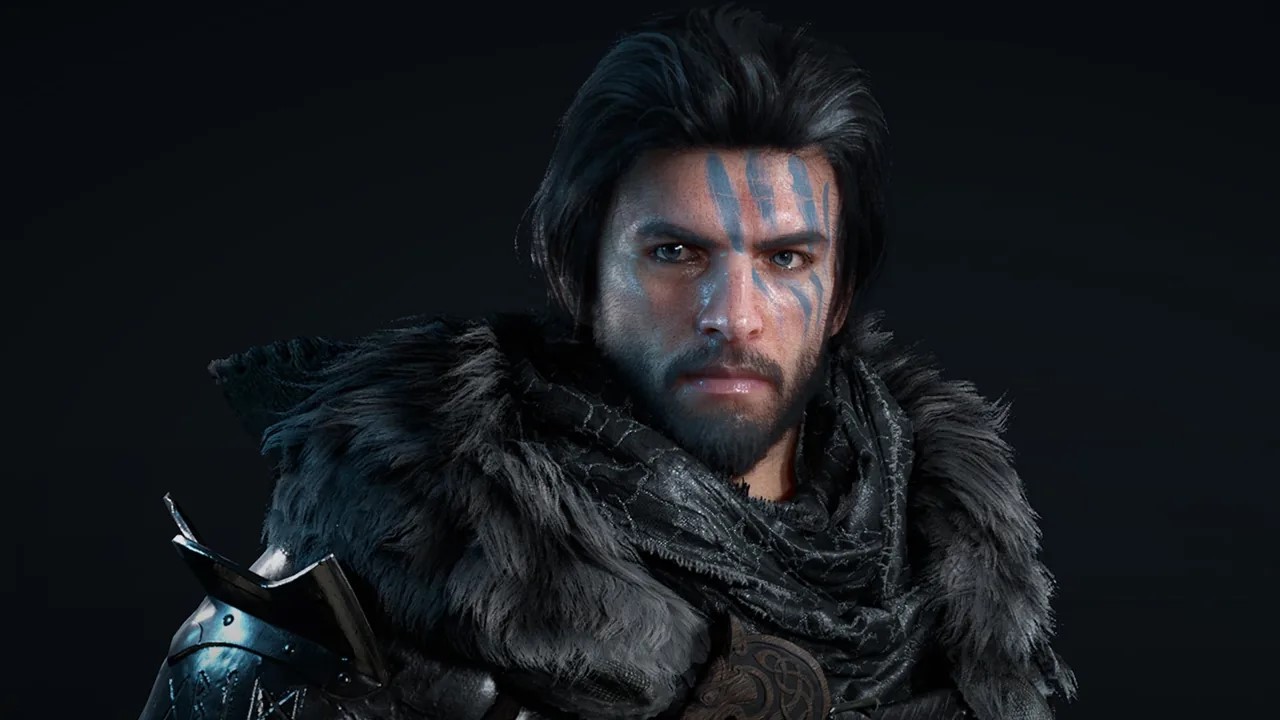
Crimson Desert’s protagonist, Kliff, began as a character named MacDuff but evolved into something more complex over five years of recording sessions. The actor behind Kliff describes the experience as a roller coaster, with periods of intense activity followed by lulls, all while the game’s narrative direction shifted dramatically.
Initially, the project was a demo with no clear end goal. Only after two years did the team signal that full production had begun, leaving the actor in the dark about the story’s ultimate shape. This uncertainty extended to Kliff’s role—first framed as a stoic figure with little emotional depth, then refined into a more nuanced character with deeper connections to his companions.
The Greymanes Shift
One of the most notable changes involved Kliff’s relationship with the Greymanes faction. Early in development, this was intended to be the game’s central narrative thread—a focus on family and reunion that only materialized later. The actor pushed for more emotional beats, but progress was slow, with key moments added gradually rather than upfront.
That’s the upside—here’s the catch: while the world of Pywel is vast and immersive, the story itself has been widely criticized. Reviews highlight its lackluster narrative, though the surrounding elements—voice acting, characterization, and open-world design—compensate for it. The actor acknowledges that the game’s appeal lies more in its environment than its script.
Why It Matters
The actor’s account aligns with earlier reports from anonymous developers who described the story as undecided until near release. This mirrors a broader trend in game development, where long-term projects face shifting priorities, often at the expense of narrative cohesion. For players, it raises questions about how much a game’s foundation can change before launch without affecting its core experience.
Looking ahead, Crimson Desert remains a point of discussion—not just for its story, but for the broader industry challenges in balancing long-term development with creative consistency. The actor’s journey underscores that even well-voiced characters can struggle when the script behind them is still evolving.