The enterprise storage market is undergoing a quiet revolution. For decades, data centers have relied on siloed systems—separate arrays for block, file, and object storage—each requiring distinct skill sets, management tools, and hardware investments. The Dell PowerStore Gen 3 challenges that model head-on by collapsing those boundaries into a single platform, promising cost savings and operational simplicity. But whether this bold approach delivers real-world value remains an open question.
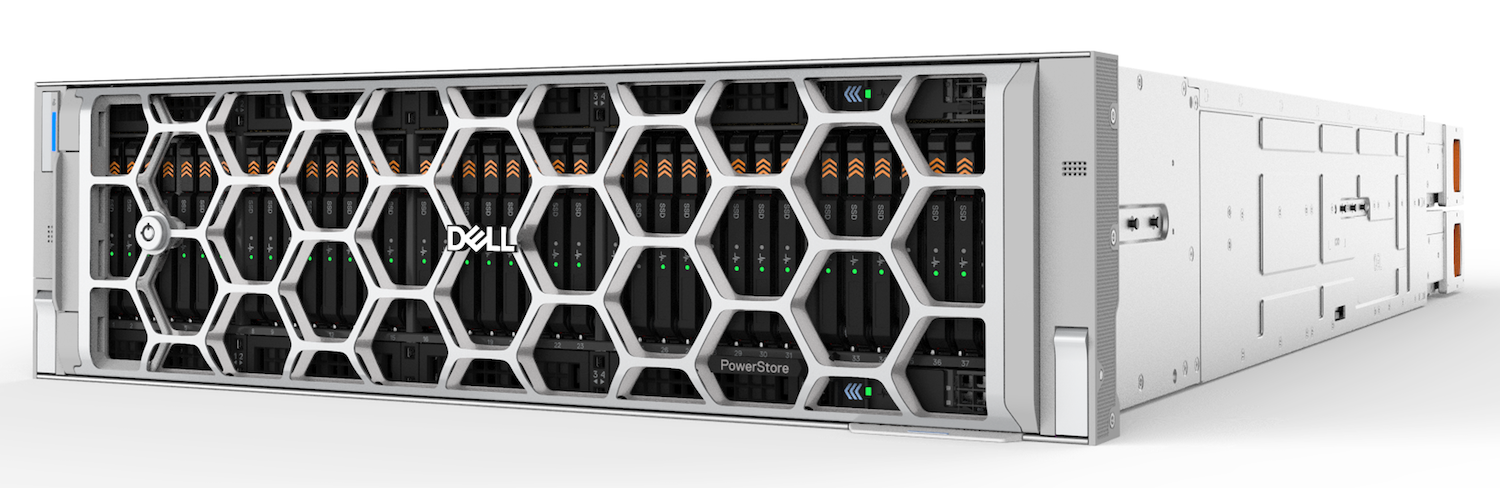
At its core, the PowerStore Gen 3 is a reimagining of how storage is built, bought, and managed. Dell is betting that enterprises will no longer tolerate the complexity of juggling multiple storage systems for different workloads. The platform consolidates block, file (NFS), and object storage into one appliance, using a shared backend with non-volatile memory express (NVMe) flash and optional NVMe-of storage. This isn’t just an incremental upgrade—it’s a fundamental rethink of how storage scales, performs, and is priced.
Specs and Architecture: A Unified Backend
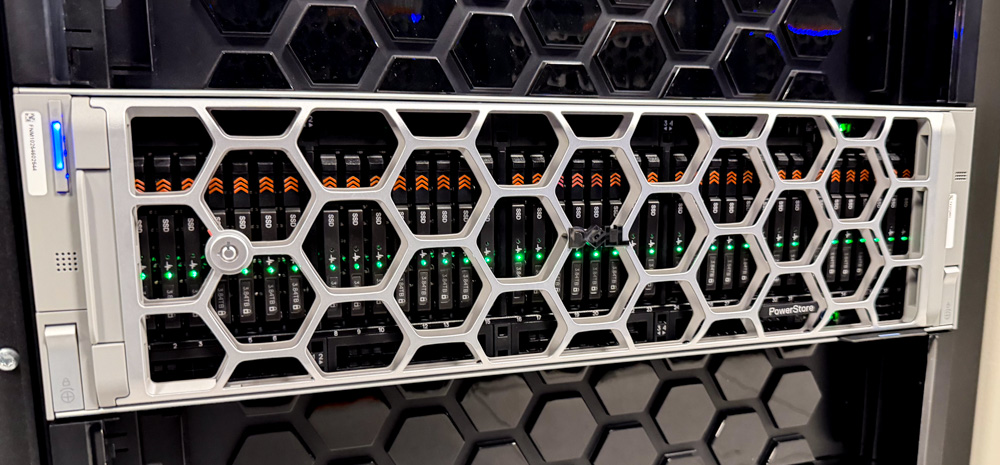
The PowerStore Gen 3 starts with a base configuration of four nodes, each packing 12 NVMe drives (either 1.92TB or 3.84TB per drive). This gives it a raw capacity of up to 576TB in the smallest setup, which can scale out to 2 petabytes by adding more nodes. Dell claims this architecture delivers sub-millisecond latency for block storage and consistent performance across workloads—a promise that will be put to the test as customers adopt it at scale.
Key features include
- A unified management interface that handles all three storage types without separate tools or dashboards.
- Automated data tiering, which moves hot and cold data across NVMe, SSD, and archival tiers to optimize performance and cost.
- Built-in AI-driven analytics for capacity planning and anomaly detection, though Dell hasn’t yet shared details on how these will integrate with existing monitoring tools.
The platform also supports hybrid cloud deployments, allowing data to be moved between on-premises PowerStore arrays and public clouds like Azure. This is where the value proposition gets interesting: Dell is positioning the Gen 3 as a bridge between traditional data centers and cloud-native architectures, but whether it can compete with purpose-built cloud storage services remains uncertain.
Pricing and Adoption: A Gamble on Simplicity
The PowerStore Gen 3’s pricing is its most disruptive element. Dell is offering the platform at a flat, all-inclusive price that covers hardware, software, support, and upgrades for three years. For example, the base four-node configuration starts at $100,000, which includes all licenses and services. This is a stark contrast to traditional storage arrays, where customers pay per terabyte or per feature, often incurring hidden costs over time.
For enterprises with sprawling, heterogeneous environments, this could be a game-changer. No more negotiating separate contracts for block, file, and object storage; no more dealing with vendor lock-in on licenses. But the tradeoff is clear: customers are committing to Dell’s ecosystem for at least three years, with limited flexibility to switch or downgrade mid-contract.
Everyday buyers—those who manage SANs, NAS systems, or hybrid clouds—will need to weigh this carefully. The PowerStore Gen 3 isn’t just a hardware upgrade; it’s a platform play that demands a shift in how storage is procured and managed. For smaller businesses or those with simpler needs, the cost may not justify the consolidation. But for large enterprises tired of managing multiple storage systems, the simplicity could be worth the price.
One practical example: a financial services firm running both transactional databases (block) and unstructured data (file) would no longer need two separate arrays, two sets of admins, or two different support contracts. That’s a tangible benefit—but only if the platform delivers on its promises without introducing new complexities.
Looking ahead, the biggest unknown is whether Dell can convince customers to abandon their existing investments in legacy storage. The PowerStore Gen 3 isn’t backward compatible with older PowerStore models or other vendors’ systems, so migration will be a hurdle. Pricing and availability are set for general release later this year, but early adopters will need to decide if they’re ready to bet on Dell’s vision of the future—or if they’ll stick with the familiar, even if it means paying more.