Dell has entered the ultraportable market with a $600 XPS 13 that directly challenges the MacBook Neo. While the new laptop shares some design language with its predecessors, it introduces significant upgrades in battery life and memory capacity that could appeal to creators on a budget.
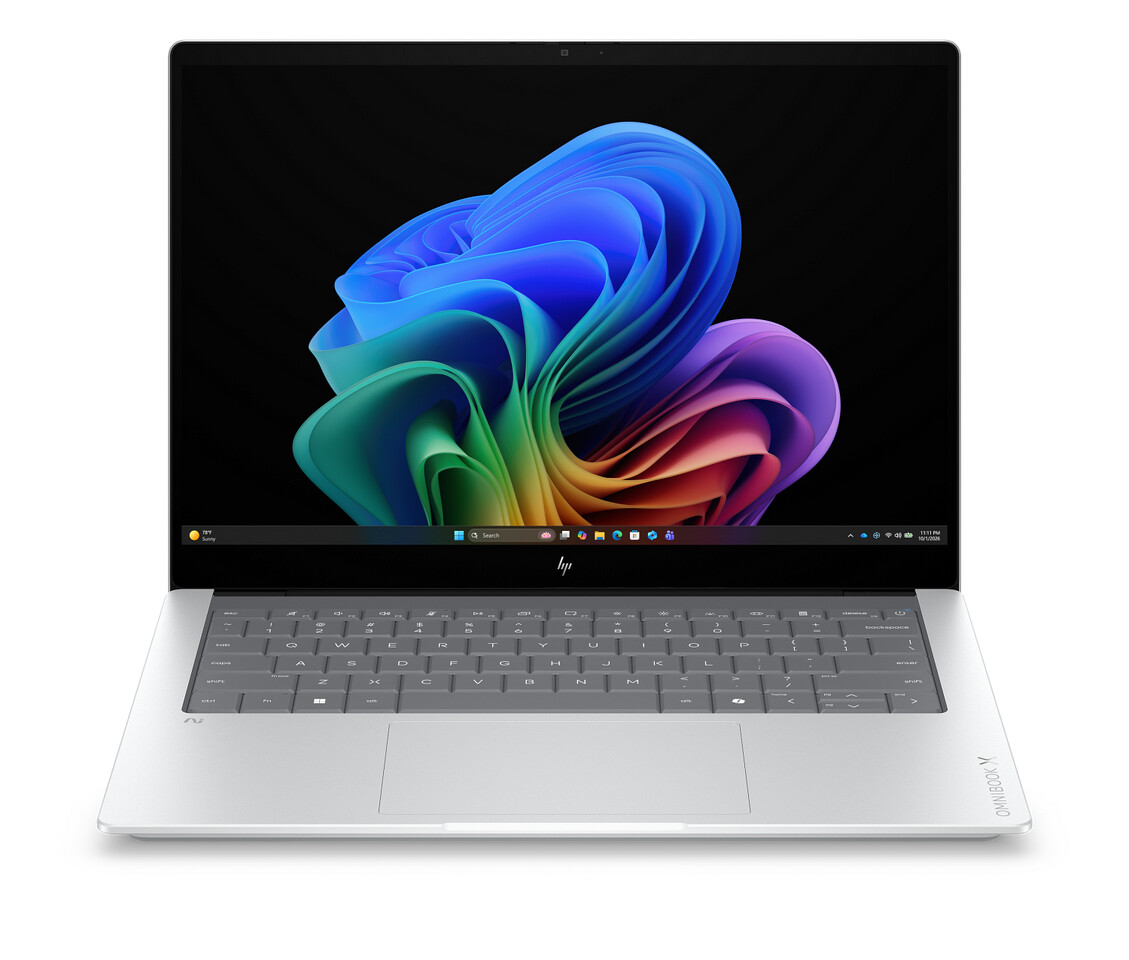
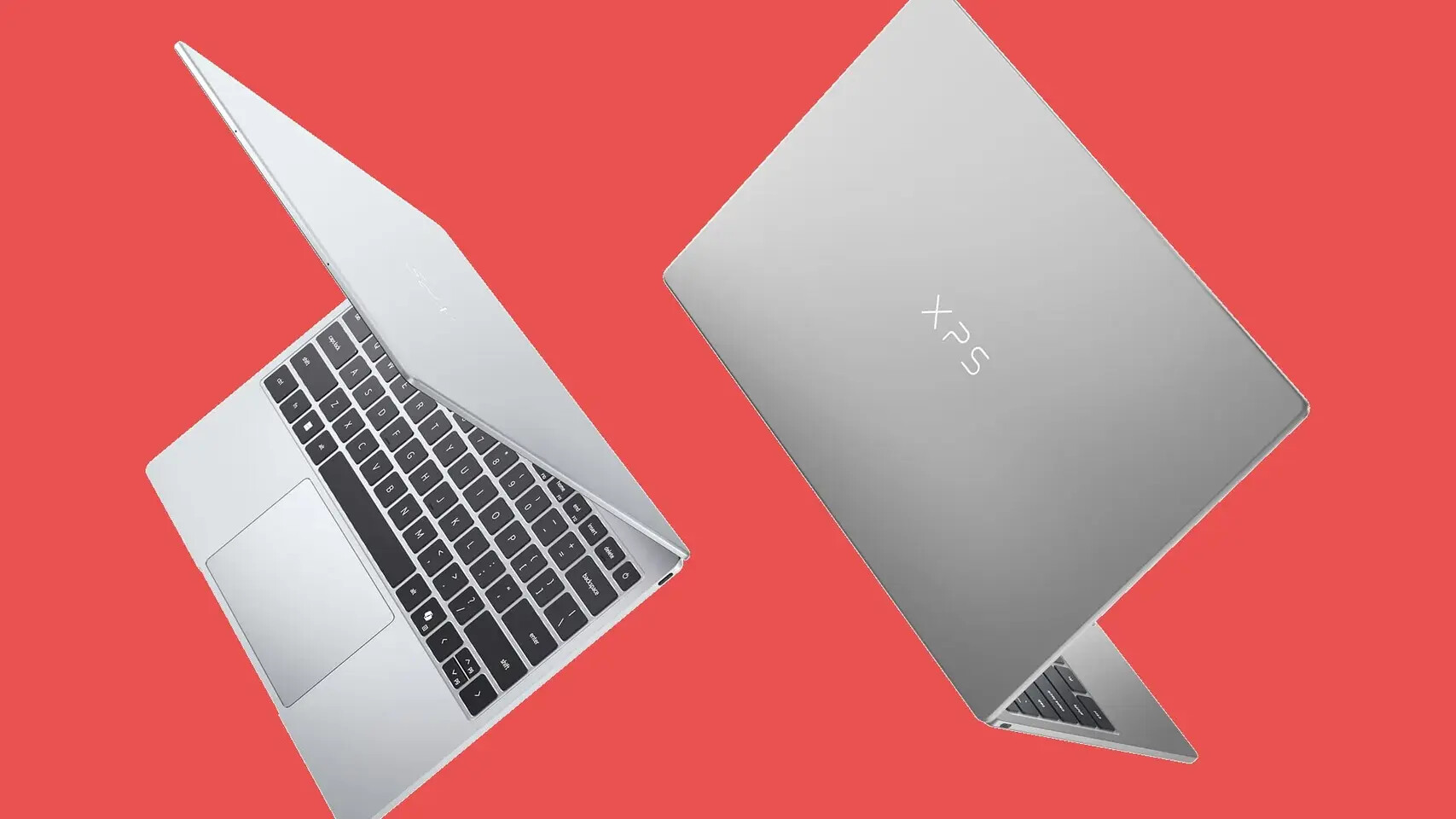
The XPS 13’s 13-inch aluminum unibody chassis is thinner and 20% lighter than the MacBook Neo, making it one of the most portable options in this price range. It features a 2.5K touchscreen with 100% DCI-P3 coverage and anti-glare treatment, ensuring vibrant colors without eye strain.
Performance and Power: A Double-Edged Sword
The laptop is powered by an Intel Core 5 320 'Wildcat Lake' processor with a 2P+4LPE CPU configuration and Xe3 iGPU. While this setup delivers solid performance, it comes with a tradeoff: the battery is more power-hungry than the Neo’s, though its 53 Wh capacity still promises all-day use for creators working on the go.
Memory options include 8 GB or 16 GB of LPDDR5X-7467 RAM, paired with 512 GB of M.2 Gen 4 NVMe storage—double the storage of the Neo’s 256 GB base model. This makes it a strong contender for tasks like video editing or multitasking, though the price may limit its appeal to those prioritizing raw power.
Pricing and Future-Proofing
Dell is pricing the XPS 13 at $600 for students and $700 for general availability. While this undercuts the MacBook Neo’s starting price, creators should consider whether the added battery life and storage justify the cost compared to alternatives like the N1X, which may offer more advanced features in the future.
The XPS 13 also includes two USB 3.2 Gen 2 ports that double as charging ports, a practical addition for creators who rely on external peripherals. However, the lack of Thunderbolt support could be a limitation for those needing high-speed data transfer or eGPU capabilities.
For now, the XPS 13 stands out as a budget-friendly option with strong specs, but its long-term relevance will depend on how Dell balances performance and power efficiency in future updates. Creators should watch for potential refinements to its battery life and whether Intel’s next-generation CPUs could further narrow the gap with the Neo.