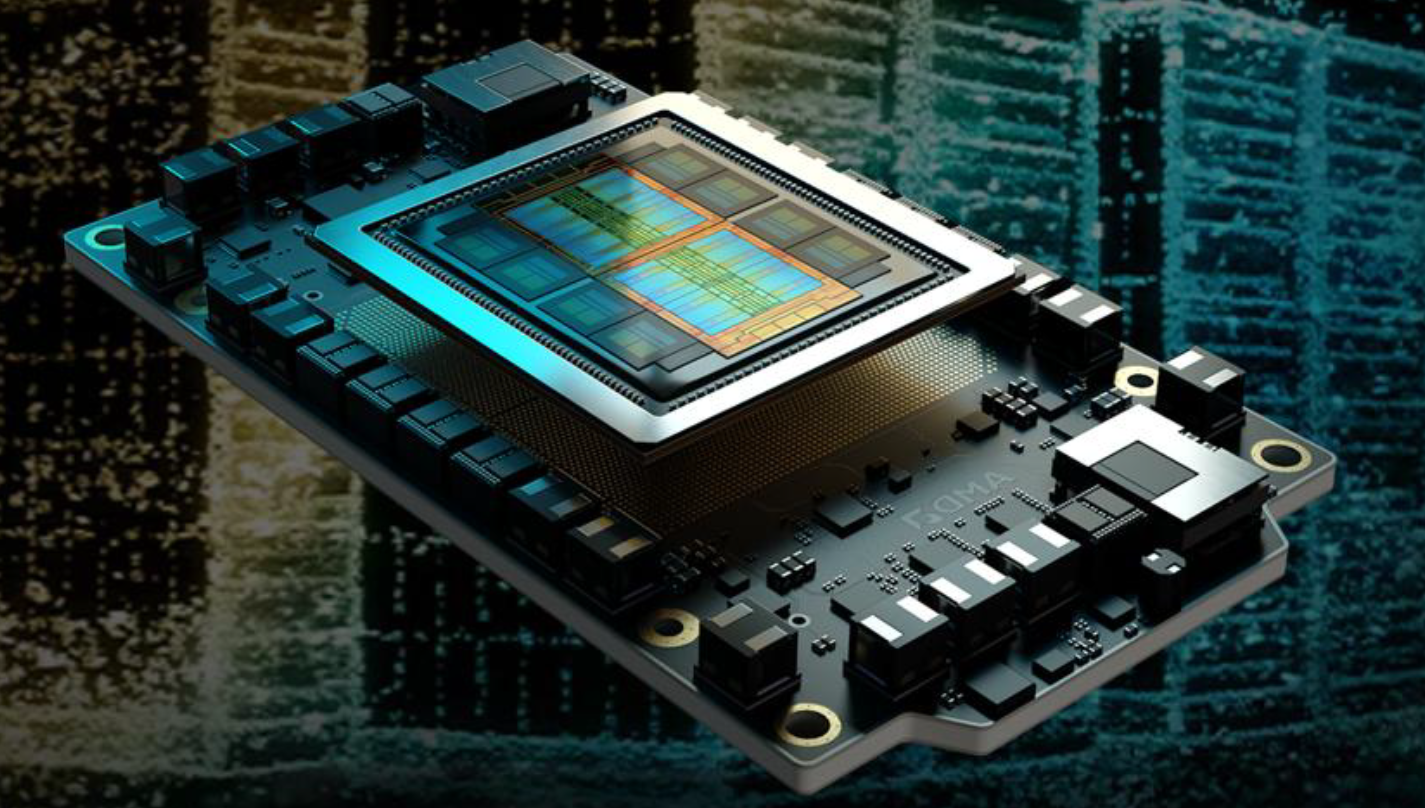
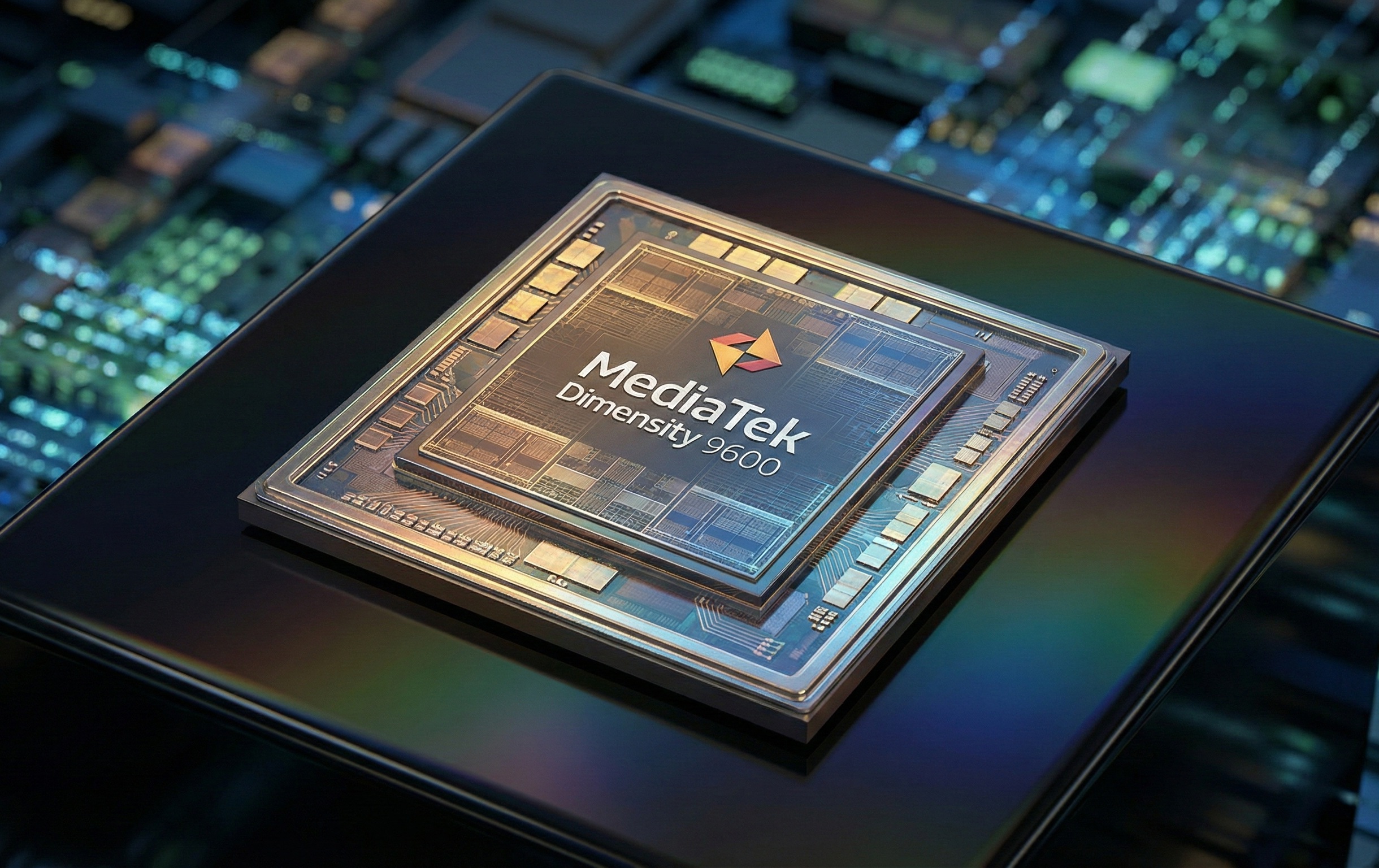
The Dimensity 9600 isn’t just about specs—it’s a philosophical shift. MediaTek is betting that ARM’s C2-series cores and TSMC’s 2nm N2P process can deliver Snapdragon-beating performance while keeping power draw in check. But the absence of traditional efficiency clusters raises questions: Will this chip throttle under sustained workloads? And how will manufacturers price it in a market where $1,000 Snapdragons are now the norm?
For power users, the stakes are high. The Dimensity 9600’s Mali-G2 Ultra GPU—with hardware-accelerated ray tracing and ARM’s Neural Shader Scheduler—could redefine mobile gaming and AI workloads. But without efficiency cores, background tasks like navigation or cloud sync might draw more power than expected. Early benchmarks suggest single-threaded performance could rival the Snapdragon 8 Elite Gen 6, but multi-core endurance remains untested.
Advanced Knobs: What Power Users Can Tweak (And What’s Locked Down)
MediaTek has included several power-user-friendly features, though some require manufacturer support
- Dynamic GPU Boost: The Mali-G2 Ultra can dynamically allocate cores for ray tracing or AI tasks, but this depends on OEM optimization. Xiaomi and Oppo may unlock deeper controls in developer options.
- LPDDR6 Bandwidth: With 9,600 Mbps support, this chip could handle 4K 120Hz gaming with minimal stutter—but only if paired with a capable cooling system. Overclocking RAM via XDA threads may void warranties.
- UFS 5.0 Latency: Storage speeds could hit 2,400 MB/s for sequential reads, but real-world app launches depend on OS-level optimizations (e.g., One UI or ColorOS tweaks).
- NPU Flexibility: The NPU now supports Neural Shader Scheduler, which can route AI tasks between the GPU and NPU. This is critical for real-time upscaling in games like Call of Duty Mobile or *Genshin Impact*.
- Thermal Throttling Limits: Unlike the Dimensity 9500, this chip lacks a dedicated efficiency cluster, meaning sustained gaming or video editing could push temperatures higher. Custom cooling profiles may be needed for extreme workloads.
One missing piece: no official overclocking tools. While MediaTek’s Dimensity Adjust app exists, it’s rarely used by manufacturers. Power users may need to rely on third-party kernels—if they’re ported at all.
The Power Consumption Gambit: Can 2nm Make Up the Difference?
The Dimensity 9600’s biggest risk isn’t performance—it’s efficiency. By eliminating efficiency cores, MediaTek is forcing the 2nm N2P process to do double duty. Early estimates suggest a 5–10% power savings over N2, but real-world impact depends on workloads
- Gaming: Likely better than Snapdragon 8 Elite Gen 6 in raw FPS, but sustained sessions may require active cooling.
- AI Workloads: The Neural Shader Scheduler could reduce latency in apps like *Adobe Premiere Rush*, but heavy ML tasks (e.g., *FaceApp*) might still drain battery faster.
- Multitasking: With 12GB LPDDR6 as the baseline, background apps should run smoother, but RAM management is still at the mercy of Android’s scheduler.
Qualcomm’s Snapdragon 8 Elite Gen 6 Pro includes a 10-core GPU, but MediaTek’s Mali-G2 Ultra (10+ cores) could outperform it in ray tracing—if drivers are optimized. The catch? No official ray tracing API yet. Developers will need to adopt ARM’s RHI (Render Hardware Interface) for full support, which could take months.
Pricing and Adoption: The $600–$800 Flagship Race
MediaTek’s Dimensity 9500 currently retails for $180–$200, but the 9600’s 2nm process and LPDDR6 support could push costs to $220–$250. If a cheaper variant emerges (likely with LPDDR5 and a weaker GPU), it could drop to $160–$180, targeting mid-range flagships like the Oppo Find X7 Pro or Xiaomi 14 Ultra.
Key adoption questions
- Will Xiaomi use it in a 2026 flagship? (Likely—Redmi’s 2025 lineup already uses Dimensity 9500.)
- Will Oppo/Realme prioritize it over Snapdragon? (Possible, given their past Dimensity focus.)
- Will Samsung/Google adopt it? (Unlikely—both favor in-house Exynos or Snapdragon.)
The Dimensity 9600’s launch window is fluid, but Q3 2026 is the most probable timeline. If MediaTek splits the chip into two variants (like Qualcomm), expect
- Dimensity 9600 (Premium): 2nm, LPDDR6, Mali-G2 Ultra, $220–$250 (target: Oppo Find X8, Xiaomi 15 Ultra).
- Dimensity 9600+ (Budget): 2nm, LPDDR5, weaker GPU, $160–$180 (target: Redmi K70, Realme GT 6).
The Verdict: A High-Risk, High-Reward Play
The Dimensity 9600 is a gamble. If it delivers on efficiency, it could become the first Android chip to truly compete with Snapdragon in both performance and battery life. But if power draw becomes an issue, it may struggle in real-world scenarios where cooling isn’t optimized.
For power users, the Mali-G2 Ultra’s ray tracing and LPDDR6 bandwidth are game-changers—but only if manufacturers unlock advanced controls. The lack of efficiency cores is a tradeoff worth monitoring in early reviews.
One thing is certain: This chip won’t be for everyone. It’s built for users who demand maximum performance and don’t mind higher power draw. If MediaTek pulls it off, the Dimensity 9600 could redefine what a mid-range flagship looks like. If not, it might become a cautionary tale about pushing efficiency too far.
The real test begins in September 2026, when the first benchmarks and devices hit the market. Until then, power users should keep an eye on thermal throttling and battery life—two areas where this chip could make or break its reputation.