A PC builder working on a weekend project suddenly finds themselves staring at a screen that reads ‘This feature is only available in the Windows Insider Program.’ It’s not an error message—it’s a tease. The latest version of Edge has started previewing new features designed for future Windows updates, and those features are only accessible if you’re running a pre-release build of Windows.
This creates an unexpected twist for anyone assembling or upgrading a system. Should builders hold off on finalizing their setups until the next stable Windows release arrives? Or risk being left behind by browser innovations that won’t be fully realized until then?
A Glimpse into What’s Coming
The experimental features in Edge are not just cosmetic tweaks. They include performance optimizations for new GPU drivers, enhanced power management controls, and deeper integration with upcoming Windows system APIs. These aren’t minor updates—they’re building blocks that could reshape how browsers interact with hardware at a low level.
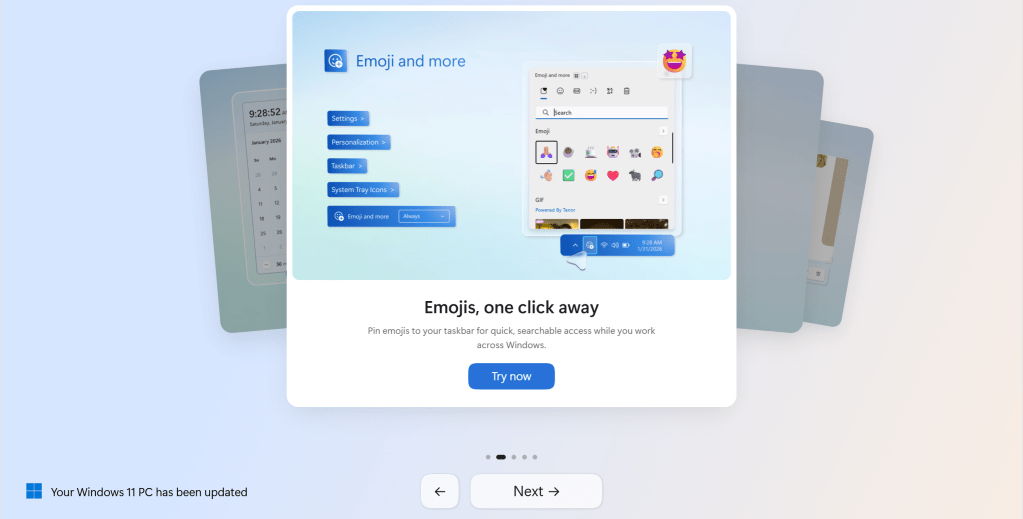
For now, the features require a Windows Insider build to function fully. That means if you’re running a stable release of Windows 10 or 11, you’ll see placeholder UI elements and disabled functionality. The browser itself remains usable, but the promise of what’s coming looms just out of reach.
The Upgrade Dilemma
This isn’t the first time a software update has forced users to weigh upgrade decisions against stability. But Edge’s approach is different because it’s not just about new browser features—it’s about aligning with an entire operating system roadmap. The risk for builders is twofold: waiting too long could mean missing out on optimizations that improve performance, while upgrading too early exposes systems to potential instability.
Consider the hardware implications. New GPU drivers often require specific Windows builds to function correctly. If Edge’s experimental features rely on those same drivers, a builder might find themselves in a catch-22: they need the latest Windows build to take full advantage of their new GPU, but that build isn’t yet stable.
- Stable Windows releases may miss out on performance gains tied to new hardware integrations.
- Early adoption carries the usual risks—bugs, compatibility quirks, and potential system instability.
- The line between ‘experimental’ and ‘stable’ is blurred when browser and OS updates are tightly coupled.
The bigger question is whether this trend will continue. If Microsoft leans further into this model—tying browser innovations to pre-release OS builds—it could force a shift in how builders approach system assembly. The cost isn’t just monetary; it’s operational. Every time a builder has to reinstall Windows or tweak configurations, they’re adding time and effort that directly impacts productivity.
What Builders Should Watch For
For now, the experimental features in Edge are optional and can be toggled off in settings. That means builders aren’t locked into using them, but the existence of these previews does signal a shift in how Microsoft views browser-OS integration.
The next stable Windows release is expected within the year, but the timing remains uncertain. Until then, builders will need to decide whether to wait for confirmed stability or risk being on the bleeding edge. The stakes are small for individual users but significant for businesses and power users who rely on optimized performance.
One thing is clear: this isn’t just about Edge anymore. It’s about the entire ecosystem. If Microsoft continues down this path, the decision to upgrade a system won’t just be about hardware—it will be about choosing when (and if) to align with an OS that’s still being written.