The fighting game community has long thrived on independence, grassroots energy, and a deep distrust of corporate influence. That’s why the full acquisition of EVO by Saudi Arabia’s Qiddiya Entertainment—already a partial owner through RTS—has sparked immediate backlash. Despite promises that the tournament’s traditions, leadership, and competitive integrity will remain intact, skepticism lingers over how long-term corporate oversight might reshape one of esports’ most storied events.
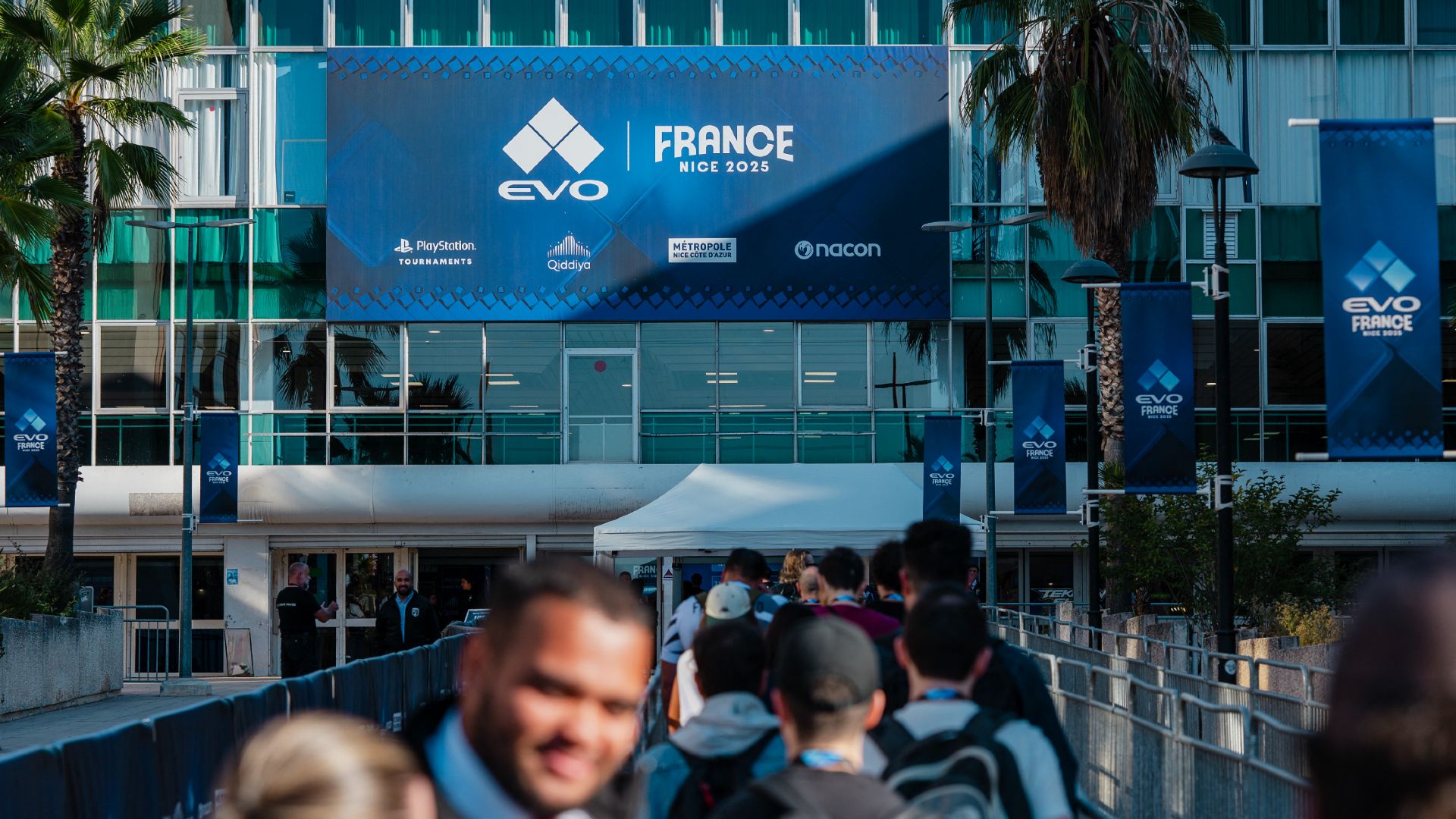
EVO’s official announcement clarifies that its three major events this year—EVO Japan (May), the main U.S. tournament (June), and EVO France (October)—will proceed as planned. The tournament insists its core values, including player-focused operations and publisher partnerships, will stay unchanged. Key figures, such as Stuart Saw (CEO of RTS), will retain their roles, ensuring continuity in leadership.
Why This Acquisition Matters
Qiddiya’s full control over EVO aligns with its broader ambitions to position Saudi Arabia as a global hub for gaming and esports. The project includes plans for a massive esports district featuring four dedicated arenas, though it remains unclear how—or if—EVO will integrate into this vision. The acquisition follows a pattern of Saudi investments in high-profile esports properties, often framed as part of a broader effort to rebrand the country’s image through sports and entertainment.
Critics argue that fighting games, while culturally significant, lack the commercial scale of titles like League of Legends, Counter-Strike, or Dota 2. The concern is that corporate ownership could lead to shifts in tournament structure, sponsorship priorities, or even a sudden pivot away from the genre if profitability wanes. Some in the community have already dismissed the move as a death knell for EVO’s grassroots spirit, urging players to redirect their support to smaller, locally run events.
What’s Next for EVO?
- No Immediate Changes: The tournament’s schedule, judging staff, and competitive rules are confirmed for 2026, with no announced alterations to entry systems or prize pools.
- Long-Term Uncertainty: Whether EVO remains a player-driven event or becomes a corporate showcase depends on Qiddiya’s strategic goals. Past examples of Saudi-backed esports initiatives have faced criticism for sidelining grassroots scenes in favor of large-scale productions.
- Community Divide: While some fans remain hopeful that EVO’s legacy will endure, others are already advocating for alternatives. The fighting game scene is resilient, with numerous regional and online tournaments offering viable paths for competition.
The acquisition doesn’t signal the end of EVO—but it does mark a turning point. For now, the tournament’s future hinges on whether Qiddiya can balance commercial interests with the community’s expectations. One thing is certain: the fighting game world will be watching closely.