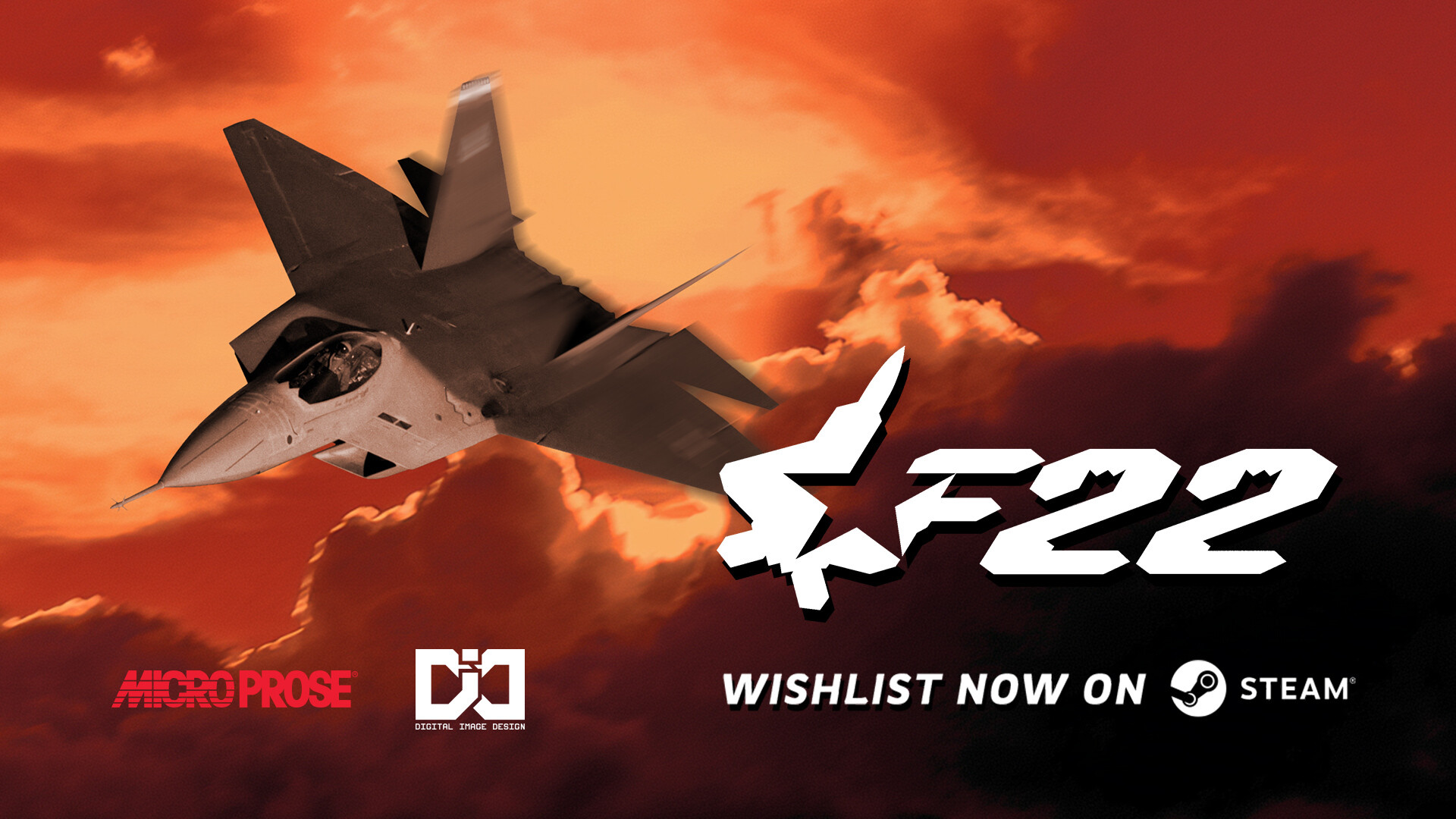
More than a quarter-century after its original release, F-22: Air Dominance Fighter—the 1997 landmark flight simulator—is returning to Steam under MicroProse’s banner. What makes this revival noteworthy isn’t just nostalgia; it’s the rare fusion of technical ambition from the late ‘90s with carefully curated modern enhancements. Yet, whether it can bridge the gap between a cult classic and a contemporary experience remains an open question.
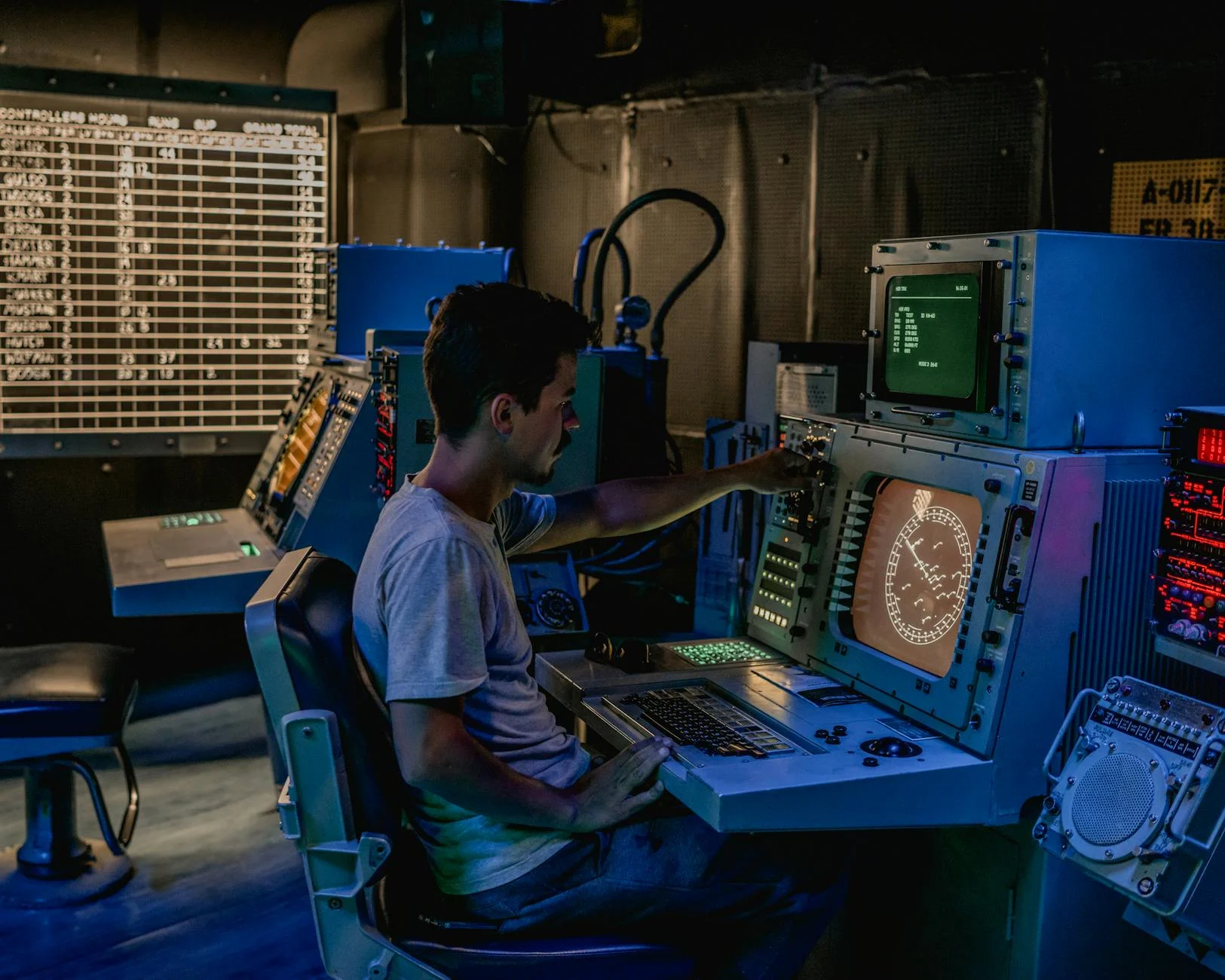
The game, developed by Digital Image Design, was a standout in its era, offering a level of systemic depth and realism that few flight sims dared to attempt. Players weren’t just flying an F-22 Raptor; they were commanding an entire air war from an AWACS control post, directing real-time engagements, and jumping into any allied aircraft mid-mission. The original version covered 4.5 million square kilometers across eight countries, with dynamic AI, ACMI (Air Combat Manoeuvring Instrumentation) for post-flight analysis, and even a context-sensitive music system that adapted to the heat of battle.
Why This Revival Matters
For modern players, the allure lies in its blend of authenticity and accessibility. The 2026 version introduces
- 6 Degrees of Freedom (6DoF) head tracking for a more immersive cockpit experience.
- Flexible resolution support, from the original 320×200 retro display up to 4K Ultra HD.
- 17 new achievements to encourage mastery and replayability.
- Full modding support, inviting community creativity and extending the game’s lifespan.
- Nearly 100 enhancements and fixes to ensure smooth performance on today’s hardware.
The question is whether these upgrades preserve the game’s original spirit while making it appealing to a new audience. The original F-22 was praised for its realism without sacrificing accessibility—a balance that’s become increasingly rare in modern flight sims, which often lean toward either hyper-realism or arcade-style simplicity.
A Legacy of Innovation
The original release was groundbreaking in several ways
- A 6DoF flight model that pushed realism beyond contemporary standards.
- AWACS command functionality, a feature rarely seen in flight sims at the time.
- Advanced AI dogfighting and avionics modeled after real F-22 systems.
- ACMI and SmartMuse, systems that enhanced immersion and replayability.
These innovations weren’t just technical showpieces; they reflected Digital Image Design’s commitment to large-scale, player-driven combat simulations. The game’s influence is still felt today, particularly in how modern flight sims handle dynamic worlds and multi-role operations.
Who Will It Appeal To?
For veterans of the original, the re-release offers a chance to revisit a defining experience with modern refinements. For newcomers, however, the challenge is whether the game’s age shows—particularly in areas like graphics and controls. The inclusion of 6DoF and modding support suggests an effort to future-proof the experience, but the core gameplay remains rooted in 1997’s design philosophy.
The game’s over 90 missions across seven campaigns—ranging from stealth interception to naval strikes—provides ample content, but its success will depend on whether it can deliver the same level of engagement in an era where flight sims often compete with more visually polished but less mechanically deep alternatives.
Availability and pricing have not yet been confirmed, but the re-release is expected to arrive on Steam in the near future.