Samsung’s next flagship isn’t just evolving—it’s adapting to a market where raw specs alone no longer dictate success. The Galaxy S26 Ultra, set to arrive in early February, will carry a 6% premium over its predecessor, landing at an estimated 1.8 million won (roughly $477 more than the base S25 Ultra’s 256GB model at launch). The reason? A perfect storm of DRAM and NAND price surges that Samsung can’t absorb without risking profitability.
The math is simple: memory chips—critical for both performance and storage—have become significantly more expensive. While the company has historically buffered such costs internally, the Galaxy S26 Ultra marks a shift. Instead of passing along incremental hikes, Samsung is betting that a strategic upgrade in three key areas will make the price feel justified: AI-driven software, a tweaked Snapdragon 8 Elite Gen 5, and a camera system that pushes low-light performance further than ever.
The New Playbook: AI and Software as Differentiators
Gone are the days when a flagship’s value hinged solely on megapixel counts or clock speeds. Samsung’s co-CEOs have openly acknowledged that the memory shortage isn’t temporary, forcing a pivot. The Galaxy S26 Ultra’s software stack—rumored to include deeper AI integration—could become its selling point. Think smarter photo editing, real-time translation, or even adaptive battery management that learns user habits. These aren’t just gimmicks; they’re the kind of features that make a $1,400 phone feel like a necessity rather than a splurge.
But software alone won’t cut it. The Snapdragon 8 Elite Gen 5, already spotted in benchmarks, is getting a subtle but meaningful refresh. While exact specs aren’t confirmed, leaks suggest Samsung may have secured a slightly more efficient version—one that balances performance with thermal throttling. This isn’t a generational leap, but it’s enough to ensure the phone stays competitive in benchmarks while sipping power more efficiently than the S25 Ultra.
Camera: The One Upgrade That Might Actually Matter
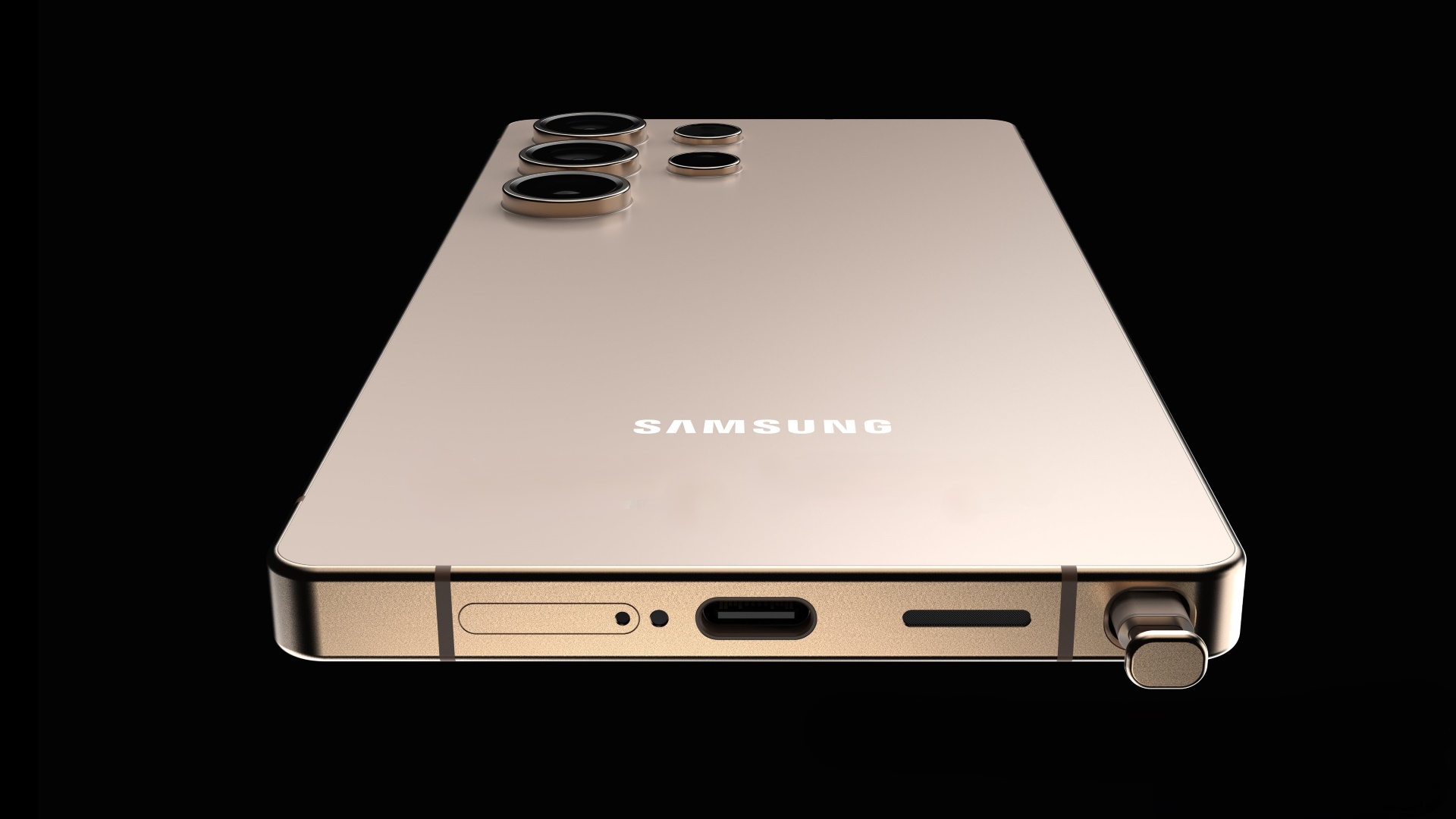
Where the Galaxy S26 Ultra could truly stand out is in its camera system. Unlike past iterations that relied on incremental sensor upgrades, this time Samsung is reportedly introducing a new primary camera sensor designed to excel in low light—something Apple’s iPhone 15 Pro Max still struggles with. Early hands-on reports hint at reduced noise and faster autofocus in dim conditions, a rare area where Android can claim an edge over its biggest rival.
The tradeoff? Samsung isn’t boasting a 200MP monster or a periscope zoom leap. Instead, it’s refining what already works. For photographers who shoot in mixed lighting or rely on night modes, this could be the upgrade that tips the scales. For everyone else? It’s a reminder that Samsung’s camera leadership isn’t about brute-force specs anymore—it’s about subtle, meaningful improvements.
Who’s This For?
The Galaxy S26 Ultra isn’t just for power users chasing the latest chip. It’s for anyone who’s grown tired of phones that feel like incremental updates. The 6% price jump stings, but Samsung’s strategy—AI as a core feature, a camera that finally feels polished, and a chip that doesn’t overheat—suggests this isn’t just another premium phone. It’s a calculated bet that consumers will pay for experience over specs.
Whether it works remains to be seen. Apple just reclaimed the top spot in global shipments, and Samsung’s latest notebook lineup saw a $477 price hike of its own. But in a market where memory costs aren’t going down, Samsung’s only choice is to make the Galaxy S26 Ultra feel worth every won.