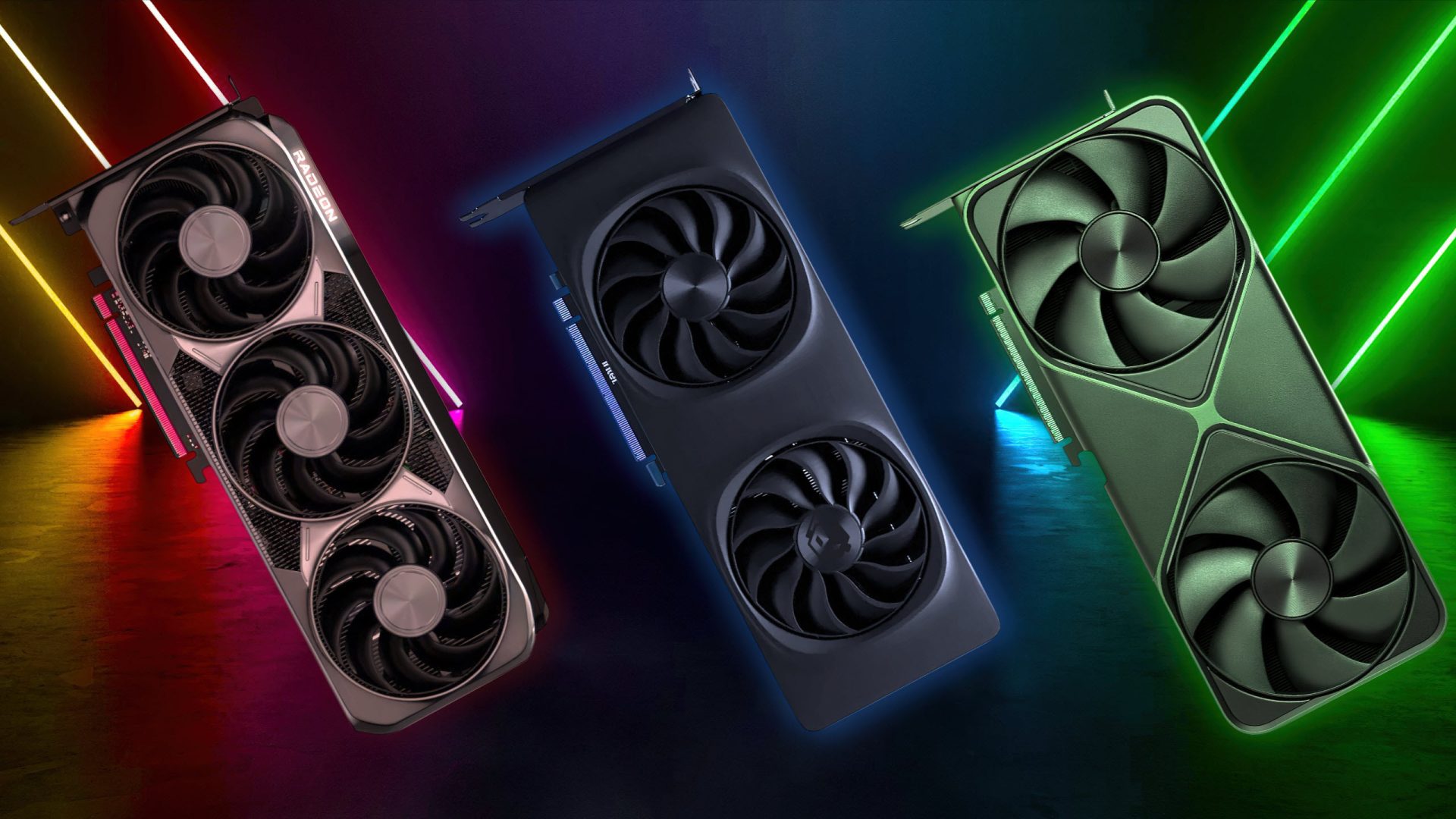
Picture this: Six thousand gamers, six games, and one question—which rendering method looks best?* No labels. No hints. Just raw visuals labeled 1, 2, 3, and 4, pitted against each other in a blind test designed to strip away bias. The winner? NVIDIA’s DLSS 4.5, which topped native resolution rendering—and even AMD’s FSR 4—in nearly every scenario.
The findings, uncovered by a recent online study, underscore a growing trend: gamers are increasingly willing to trade raw pixels for AI-enhanced visuals, provided the quality holds up. For NVIDIA, the results serve as a validation of its second-generation Transformer-based upscaler, which leverages FP8 precision and five times the computational investment of its predecessor. The difference isn’t just incremental; it’s a leap in how the technology interprets and reconstructs game textures in real time.
The test covered a diverse lineup of titles—from the demanding Cyberpunk 2077 to the more accessible Horizon Forbidden West—with DLSS 4.5 securing the top spot in every case except one. Even in Cyberpunk 2077, where native resolution rendering nearly tied, DLSS 4.5 still emerged victorious by a narrow margin. AMD’s FSR 4, while functional, failed to match the perceived quality, with participants often opting for native rendering over its upscaled output.
The AI advantage: Why DLSS 4.5 wins
At the heart of DLSS 4.5’s success is its ability to process input frames with greater context awareness. Unlike traditional upscaling, which relies on fixed algorithms, NVIDIA’s second-gen Transformer model analyzes spatial and temporal details more dynamically. This isn’t just about crunching numbers faster—it’s about making smarter decisions on which pixels to enhance, where to preserve sharpness, and how to blend transitions without artifacts.
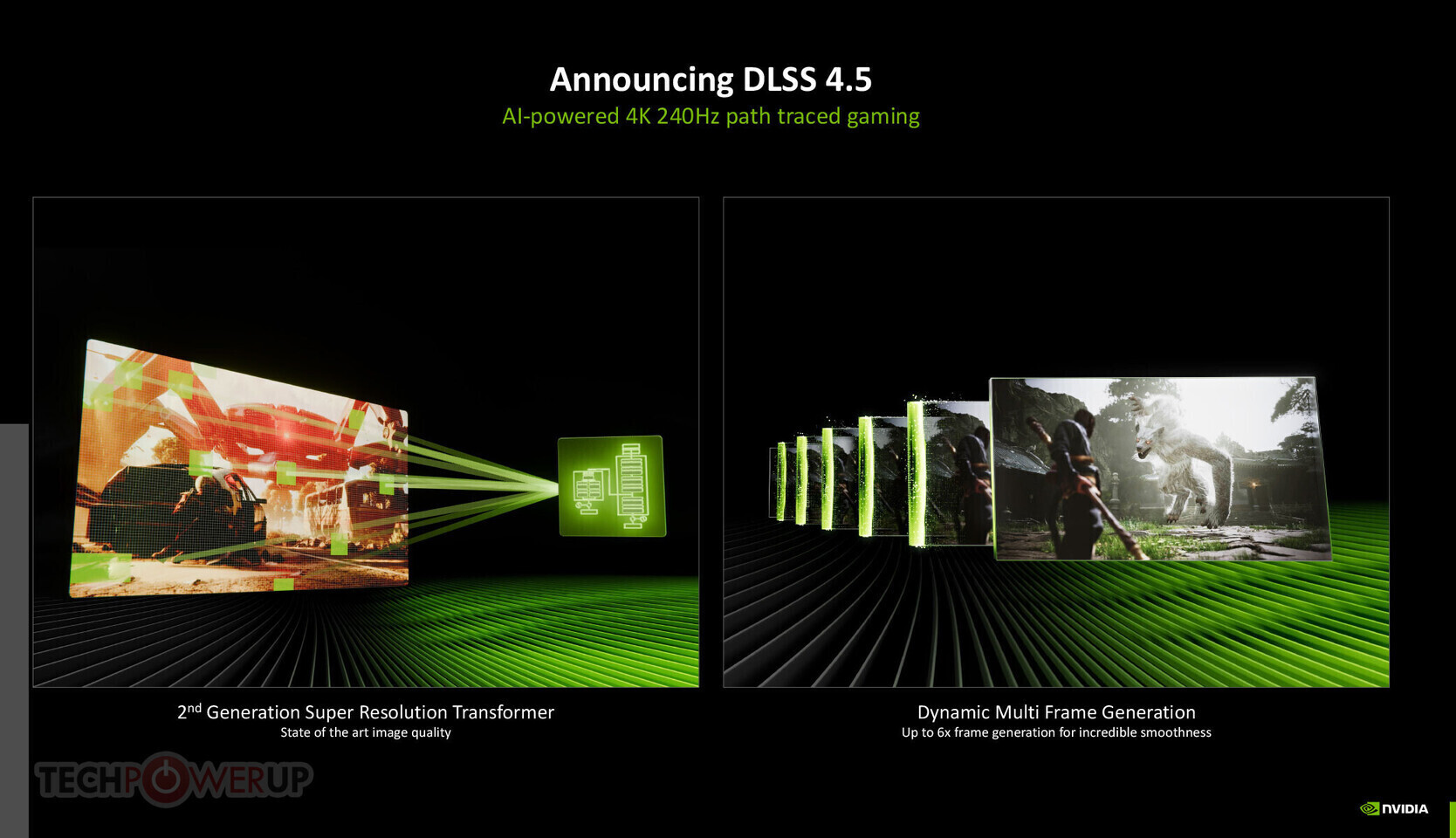
The technology’s adoption of FP8—a format that balances precision with performance—allows it to handle complex scenes with minimal quality loss. In practical terms, this means games that would normally struggle to maintain high frame rates at 4K now deliver smoother performance without sacrificing visual fidelity. For AMD’s RX 9000 series, FSR 4 offers a viable alternative, particularly for users without an NVIDIA GPU. However, the test results suggest that even when optimized for titles like ARC Raiders and Cyberpunk 2077, AMD’s upscaling lacks the polish to sway the majority of voters.
What this means for gamers—and the future of rendering
For consumers, the takeaway is clear: AI upscaling has matured to the point where it’s no longer a compromise. DLSS 4.5’s dominance in blind tests signals that NVIDIA has closed the gap between upscaled and native rendering, at least in terms of perceived quality. This could accelerate adoption among gamers who prioritize performance over absolute pixel counts, especially as next-gen GPUs like the RTX 50-series and RX 9000 series push the boundaries of what’s possible.
AMD’s Redstone package, while not the visual favorite, still delivers tangible performance gains. The key distinction lies in use case: DLSS 4.5 excels where detail and fluidity matter most, while FSR 4 may appeal to those seeking raw FPS without the need for an NVIDIA GPU. As both technologies evolve, the debate over upscaling versus native rendering may shift from whether to use AI assistance to how far* it can be pushed—especially with rumors of $5,000 RTX 5090 GPUs and CES 2026 announcements on the horizon.
The results also hint at a broader industry trend: the lines between upscaled and native content are blurring. If gamers can’t tell the difference in controlled tests, the next frontier will be pushing these technologies into even more demanding applications—from 8K gaming to real-time ray tracing. For now, though, DLSS 4.5 holds the crown.