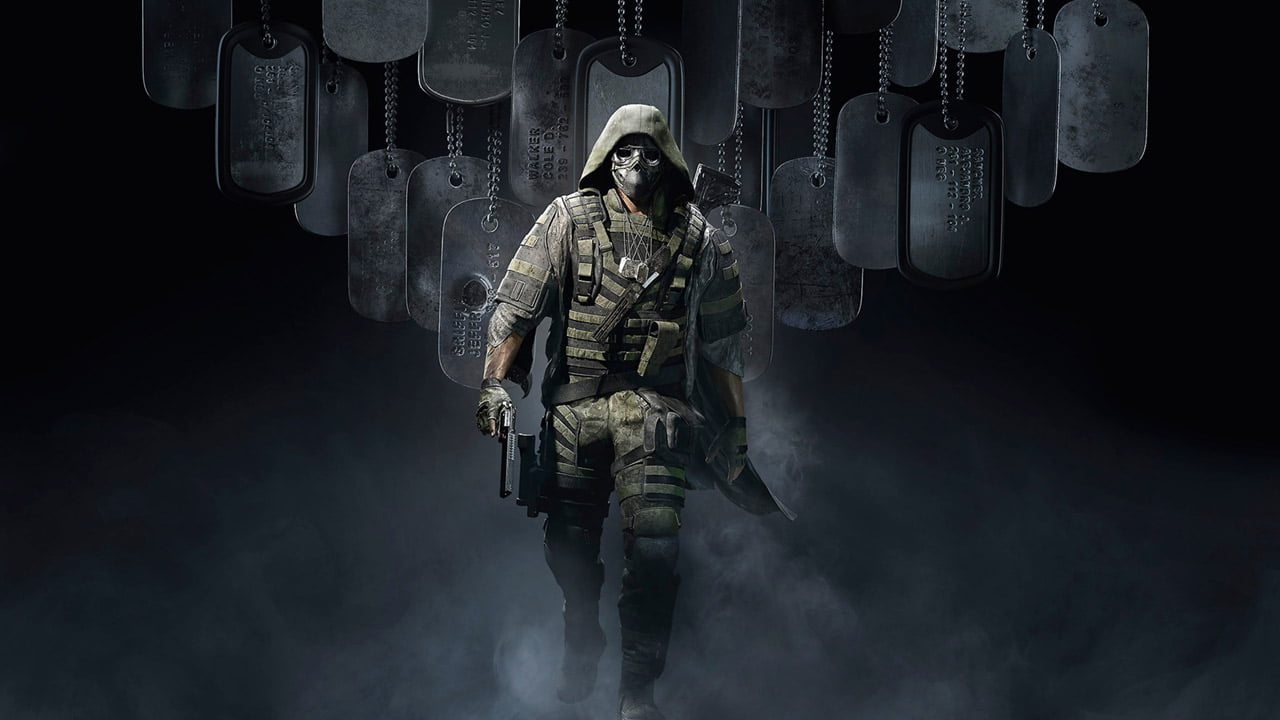
Santa Monica Studio’s God of War* franchise has always thrived on reinvention, but few twists would be as bold as abandoning the Norse pantheon entirely. Newly unearthed files from Ragnarök now imply the next chapter could transport players to the pyramids of ancient Egypt—a setting that would demand a radical narrative and visual overhaul. While no official announcement has been made, the discovery of a hidden cutscene, complete with dialogue in Greek and Egyptian references, has reignited speculation about the series’ future direction.
The cutscene, first spotted by a user on the God of War Ragnarök subreddit, depicts Atreus interacting with a cryptic figure named ‘Mau,’ a word that translates directly to ‘cat’ in Egyptian and is tied to the Sun God Ra. The scene also features a ‘Robed Figure’—later revealed to be Athena—delivering a chilling line: One failed us. One rejected us. This appears to reference Odin’s betrayal of the gods and Atreus’s growing distance from the divine, hinting at a fractured relationship that could define the next game’s conflict.
This isn’t the first time God of War has hidden clues about its future. The prologue for Ragnarök was similarly buried in the files of the 2018 release, suggesting Sony may use this tactic to gauge fan reaction before full disclosure. However, the stakes are higher this time. A full-scale shift from Norse to Egyptian mythology would require not just new lore, but an entirely reimagined world—one that blends the franchise’s signature brutal combat with the mysticism of pharaohs, curses, and forgotten gods.
The Case for Egypt
If the rumors hold, the next God of War would face two major challenges: staying true to the series’ identity while embracing a completely foreign setting. The hidden cutscene offers tantalizing hints about how this might work
- Mau’s Role: The silent, cat-like entity—whose name aligns with Ra’s manifestations—could serve as a guide or antagonist, much like the Norse gods before them. Atreus’s ability to understand Mau through his ‘gift of language’ suggests a deeper connection to the Egyptian pantheon, possibly implying he’s inherited or awakened powers tied to these new deities.
- The Robed Figure’s Warning: The line One failed us. One rejected us frames the next game’s central conflict. Odin’s failure likely refers to the collapse of the Norse gods’ reign, while Atreus’s rejection could foreshadow his reluctance to embrace a new divine role—setting up a moral dilemma where he must choose between loyalty to his father’s legacy and a destiny tied to an ancient civilization.
- Athena’s Presence: Her involvement hints at a broader mythological crossover. If the gods of Olympus and Egypt are now intertwined, the narrative could explore themes of syncretism—where cultures and pantheons merge, much like how real-world religions often borrow from one another.
The cutscene also drops a subtle reference to the ‘white snake,’ a creature tied to Egyptian mythology’s association with rebirth and the underworld. Whether this becomes a literal antagonist or a symbolic force remains unclear, but it underscores the potential for rich, layered storytelling.

What This Means for Players
Assuming these hints are accurate—and given Sony’s history of teasing major reveals—Santa Monica Studio would be undertaking a massive creative risk. A full Egyptian setting would demand
- A complete overhaul of the game’s aesthetic, from environments to character designs, to avoid feeling like a superficial costume change.
- New combat mechanics tailored to Egyptian themes—perhaps leveraging the franchise’s signature weapon-based combat with tools like the khopesh (a curved Egyptian sword) or ankh-shaped abilities.
- A narrative that bridges the emotional core of God of War—father-son bonds, redemption, and legacy—with the grandeur of pharaonic lore.
Yet, the risks could pay off. The series has never shied away from reinvention; Ragnarök itself was a departure from the original’s Greek roots. An Egyptian setting would also allow for deeper exploration of themes like cyclical time (a cornerstone of ancient Egyptian belief) and the afterlife, which could add layers to Atreus’s journey as he grapples with mortality.
There’s also the question of timing. With God of War: Sons of Sparta—a prequel focusing on Kratos’s Spartan origins—slated for release, and the God of War Trilogy Remake in development, the mainline sequel may still be years away. If the Egyptian hints are confirmed, they’d likely be part of a broader campaign to build anticipation, much like the Ragnarök prologue did.
Unanswered Questions
Not everyone is convinced this is more than a fan theory. While the precedent for hidden cutscenes is strong, the lack of official confirmation leaves room for doubt. Key unknowns include
- Is this a full setting shift, or a limited crossover? The cutscene could simply be a narrative bridge, with the next game eventually returning to Norse themes.
- How will the combat system adapt? The series’ signature weapon-based combat relies heavily on its tools. Introducing Egyptian-inspired arms would require significant redesign.
- Will this be a standalone story, or part of a larger mythological tapestry? If the gods of Olympus and Egypt are now interconnected, the implications for future games could be vast.
One thing is certain: if Sony is serious about this direction, the next God of War would need to justify the leap with world-building as ambitious as its Norse predecessors. The hidden files offer a tantalizing glimpse, but only time—and an official announcement—will reveal whether this is the beginning of a new legend or just an intriguing detour.
The franchise’s recent State of Play presentation reinforced Sony’s focus on expanding the God of War* universe, but concrete details about the mainline sequel remain scarce. For now, fans are left with a cryptic cutscene, a few translated lines, and the tantalizing possibility that Kratos’s next battle may not be in the halls of Valhalla—but in the shadow of the Sphinx.