The challenges of integrating artificial intelligence into software development have taken center stage in the open-source community, with the maintainer of the Godot game engine raising concerns over the influx of AI-generated code submissions. Rémi Verschelde, the project lead, recently highlighted how these contributions—often riddled with errors, untested logic, and convoluted explanations—are diverting valuable time from meaningful development efforts.
Verschelde’s critique reflects a broader frustration among developers, who argue that AI tools, while promising productivity gains, frequently produce code that lacks coherence or functionality. Many submissions appear to be hastily generated without proper testing or understanding of the underlying systems. In some cases, the proposed changes are so nonsensical that maintainers question whether contributors even reviewed the results themselves or simply accepted AI suggestions without scrutiny.
Beyond the technical flaws, the sheer volume of AI-driven pull requests adds another layer of complexity. Maintainers are not only tasked with reviewing flawed code but also engaging in lengthy discussions to clarify intent—a process that consumes resources better spent on refining core features or addressing critical bugs. The situation mirrors earlier industry-wide concerns, such as those raised by developers at EA, who reported that AI tools mandated by management had slowed down workflows rather than streamlining them.
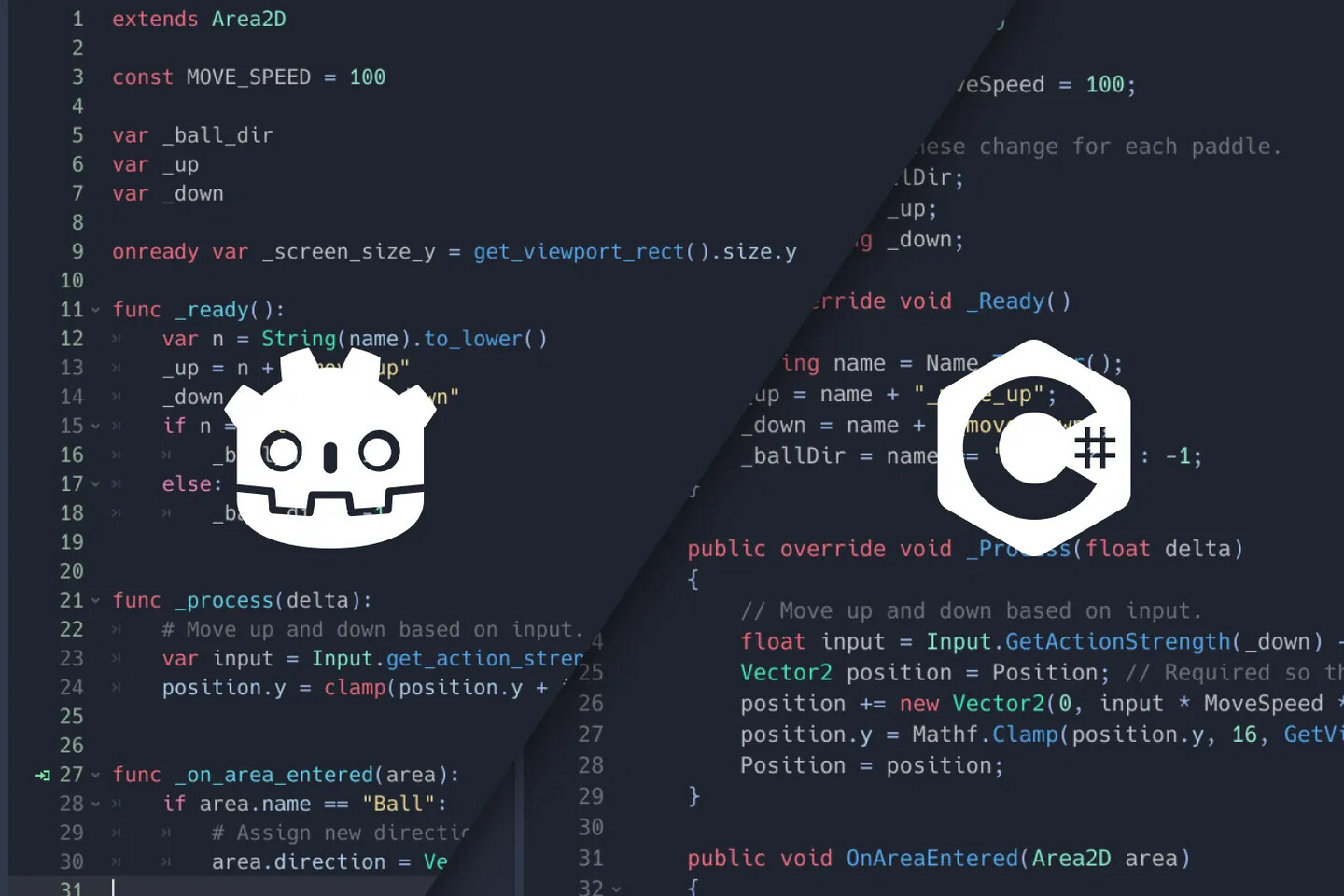
Similar debates have emerged in other open-source projects, including Blender, where developers have proposed stricter policies to govern AI contributions. Proposals include requiring full disclosure of AI involvement, mandating that contributors take responsibility for the code, and ensuring they comprehend its purpose. Without such safeguards, the risk of introducing unstable, unmaintainable code into widely used tools like Godot could grow—posing challenges not just for developers but for the entire ecosystem that relies on these open-source foundations.
- Unverified Code: Many AI-generated submissions contain logical errors or untested assumptions, forcing maintainers to spend time debugging rather than building.
- Overly Verbose Explanations: Descriptions accompanying AI-written code are often overly complicated and difficult to parse, adding to the review burden.
- Lack of Accountability: Contributors may not fully understand the changes they propose, raising questions about whether AI tools are being used responsibly.
- Wasted Resources: Time spent addressing AI-generated issues could otherwise be allocated to high-priority features or optimizations.
The debate underscores a critical tension in modern software development: while AI holds potential to accelerate certain tasks, its unchecked integration risks undermining the stability and efficiency of open-source projects. For Godot—and similar tools—balancing innovation with quality assurance remains a pressing challenge.