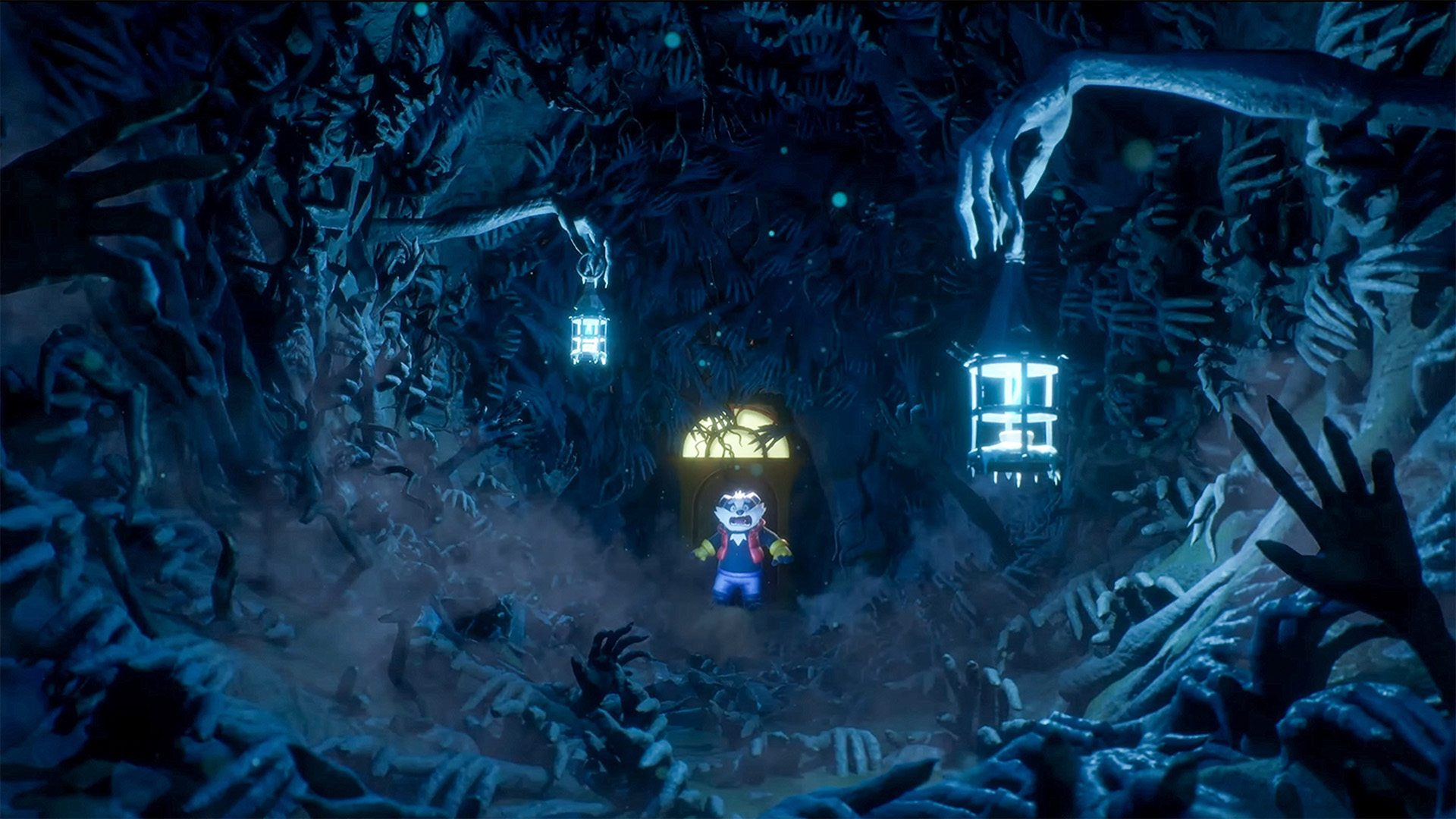
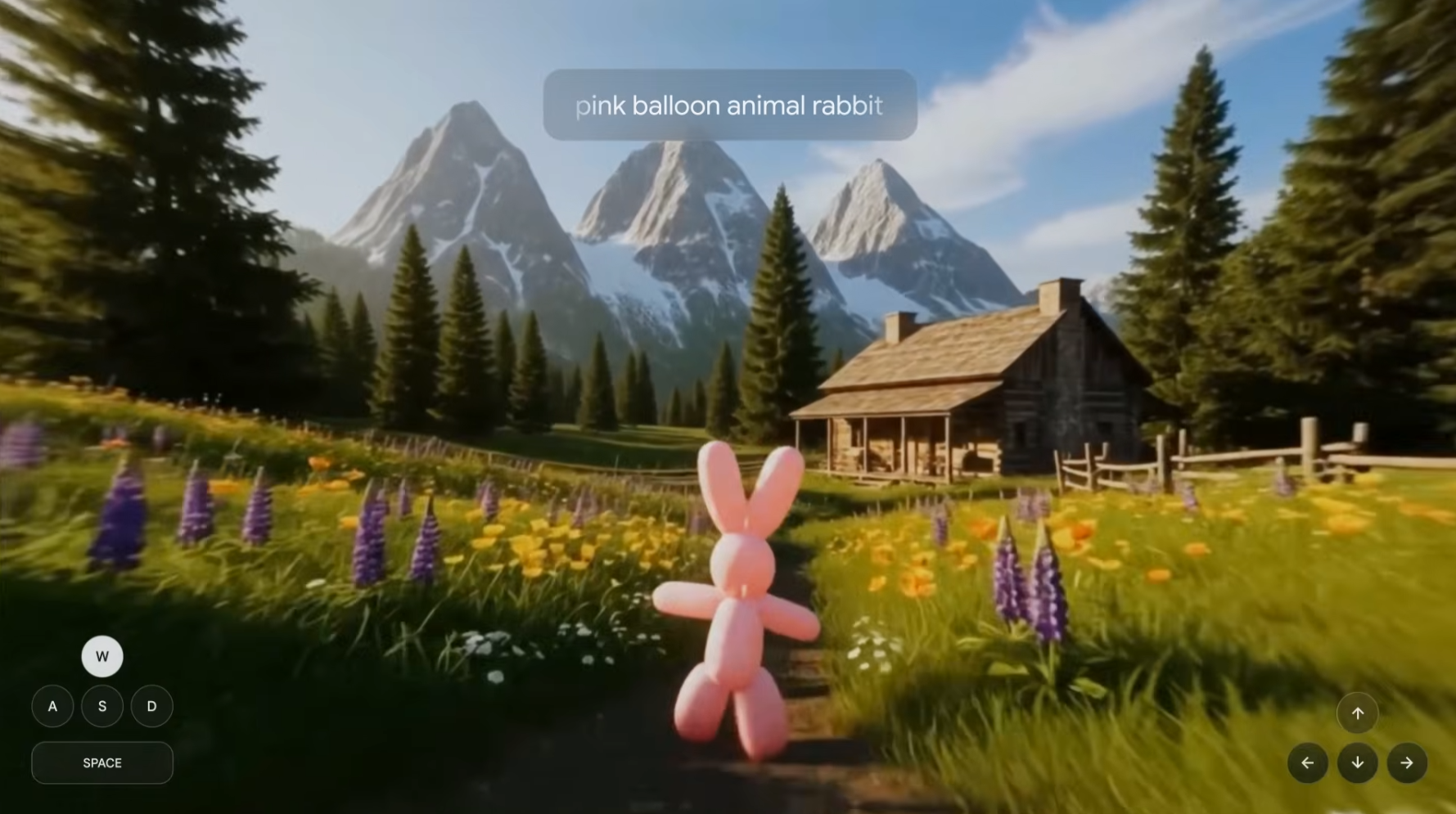
Google has just made its most ambitious AI tool yet available to the public—for a price. Project Genie 3, part of the company’s AI Ultra subscription tier, promises to generate fully interactive virtual worlds in real time. For $250 a month, users can simulate physics, craft historical settings, or even prototype game environments by typing prompts into a system that claims to adapt dynamically as they explore. But the reality falls short of the hype.
The tool’s core claim is that it doesn’t just render static 3D snapshots like earlier AI experiments. Instead, it’s supposed to simulate entire environments—complete with responsive physics, character interactions, and continuity as users move through them. In theory, this could revolutionize fields from animation to robotics. In practice, early tests by tech outlets produced results that felt more like rough, glitchy approximations of classic Nintendo games than anything polished or engaging.
What Project Genie 3 Actually Delivers
Google’s own description frames Genie 3 as a breakthrough in consistency—a term that refers to the AI’s ability to maintain logical coherence as users interact with the generated world. For example, if you prompt it to create a medieval castle, the doors should open when approached, torches should burn realistically, and characters should react to obstacles. Yet even Google acknowledges this is an experimental prototype, not a finished product. Demos shared with journalists showed worlds that occasionally broke apart mid-interaction, with physics simulations stuttering or objects disappearing unpredictably.
One demonstration attempted to replicate The Legend of Zelda: Ocarina of Time’s dungeon design. The result was functional but clunky—more akin to a low-poly demo reel than a playable experience. Another test, meant to mimic Super Mario 64’s movement mechanics, failed to maintain continuity, leaving characters floating mid-air or colliding with invisible walls. ’s hands-on testing concluded that while the AI held together better than earlier models, it still lagged far behind handcrafted games in terms of polish, immersion, and sheer fun.
Why Game Developers Are Wary
The gaming industry is already deeply divided over generative AI. A recent survey from the Game Developers Conference revealed that over half of professionals now view AI tools as a net negative for creativity, fearing they’ll devalue human effort or flood markets with low-quality content. Project Genie 3 exacerbates those concerns. While Google markets it as a tool for prototyping or educational simulations, critics argue it could be weaponized to rapidly churn out knockoffs of existing IPs—without compensation for original creators.
Indie developer Rami Ismail summed up the sentiment succinctly in a post: the AI’s output reads like a legal nightmare waiting to happen. If Genie 3 can spit out a Mario-like world in seconds, who owns the rights? Nintendo? The user who typed the prompt? Google? The answer isn’t clear, and that ambiguity is enough to make studios cautious.
The Bigger Question: Do AI-Generated Worlds Feel Real?
Beyond legal and ethical dilemmas, there’s a fundamental question about whether these tools can ever produce experiences that feel meaningful. Early adopters of AI-generated art or music often report a strange detachment—the knowledge that what they’re engaging with wasn’t crafted by a human hand. Games, with their deep narratives and player agency, might face an even steeper challenge. If a world is generated on the fly by an algorithm, can it ever rival the emotional weight of something like The Witcher 3* or Disco Elysium*?
Google’s pricing—$250 per month—hints at a target audience of professionals, not casual users. For developers, the appeal might lie in rapid iteration: testing game mechanics without committing to full production. But for consumers? The novelty of typing ‘create a haunted mansion’ and watching an AI assemble one might wear off quickly. Without a human designer’s vision, the worlds risk feeling hollow—like digital shells with no soul.
What Comes Next?
Project Genie 3 is far from the first AI tool to promise a creative revolution. Yet its scope—simulating entire interactive universes—sets it apart. Google has framed it as a step toward general-purpose world modeling, a technology that could one day underpin everything from virtual reality training to automated film production. But for now, the gaps are glaring. Physics glitches, inconsistent logic, and a lack of artistic finesse make it clear this is still early-stage research.
Whether it becomes a productivity boon for developers or a gimmick for early adopters remains to be seen. One thing is certain: the gaming industry won’t embrace it without answers to critical questions. Who controls the output? How does it integrate with existing engines like Unity? And most importantly—can it ever replace the magic of human creativity?