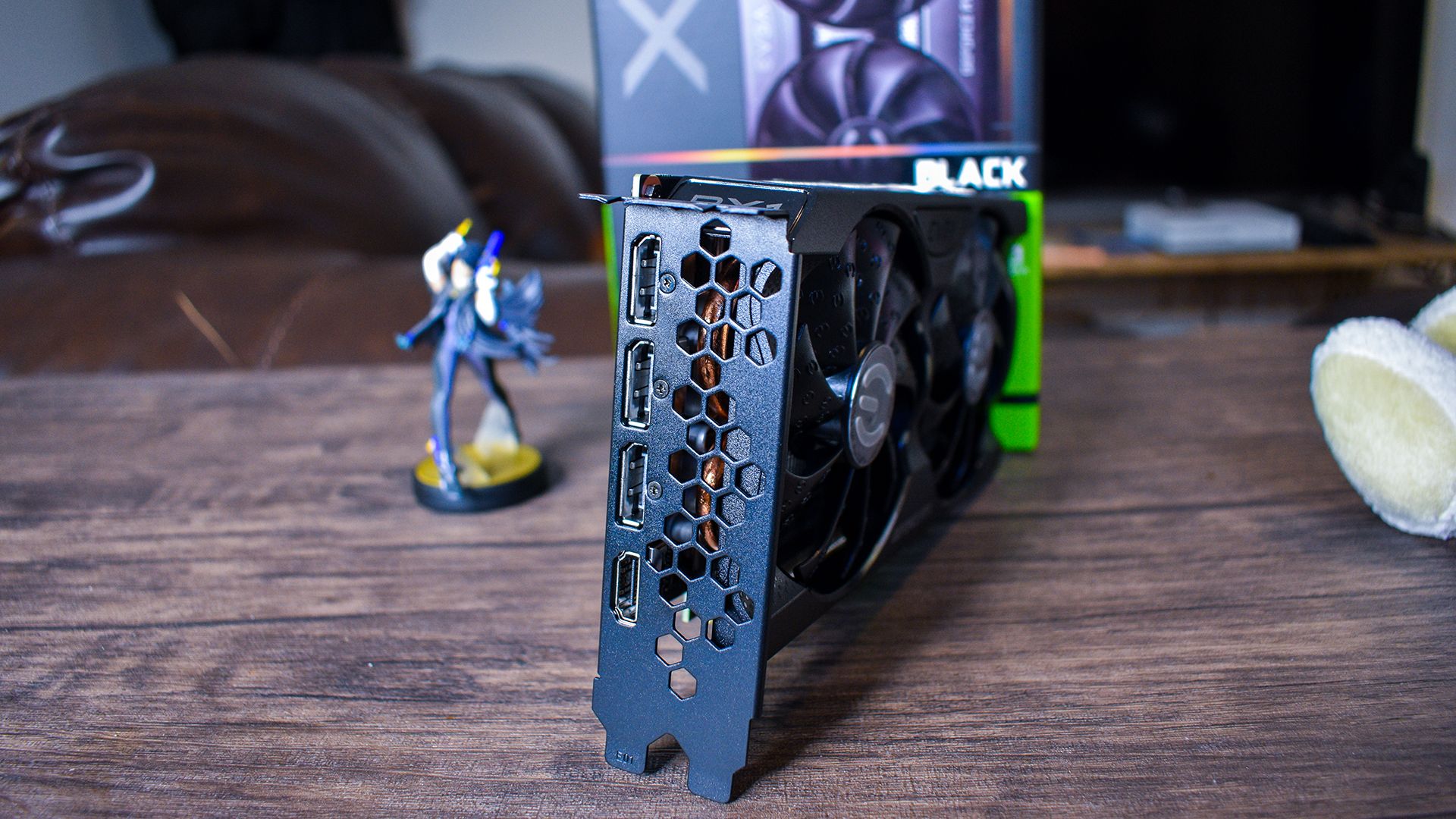
Graphics cards are no longer a stable investment. Prices for Nvidia’s flagship GPUs have climbed sharply, with some models now costing hundreds more than their launch prices—even after accounting for normal depreciation. The trend extends beyond Nvidia, but the manufacturer’s high-end lineup, in particular, is feeling the squeeze, leaving buyers to wonder if the market has reached a breaking point.
Data compiled from recent sales shows that certain Nvidia GPUs, like the RTX 4090 and RTX 4080, have seen price hikes exceeding 30% in just a few months. Even mid-range options, such as the RTX 4070, are not immune, with prices creeping up by 15% or more. The situation is further complicated by the fact that these increases are occurring amid a broader GPU shortage, which has pushed resellers to exploit scarcity for profit.
While AMD’s Radeon GPUs have also seen price adjustments, the scale of Nvidia’s hikes is more pronounced. The company’s dominance in AI-driven workloads and ray tracing capabilities has made its cards a hot commodity, but the resulting price inflation is straining budgets for gamers and creators. The question now is whether this trend will stabilize—or if worse is yet to come.
The Numbers Behind the Surge
Here’s how the price shifts stack up
- RTX 4090: Prices up by over 35% since launch, with some models now exceeding $2,200.
- RTX 4080: Increases of around 30%, pushing prices closer to $1,500 for top-tier variants.
- RTX 4070: Mid-range surge of roughly 15%, now frequently listed above $700.
- RTX 30-series (older models): Still inflated, with some RTX 3080 Ti cards holding near $1,000 despite being over two years old.
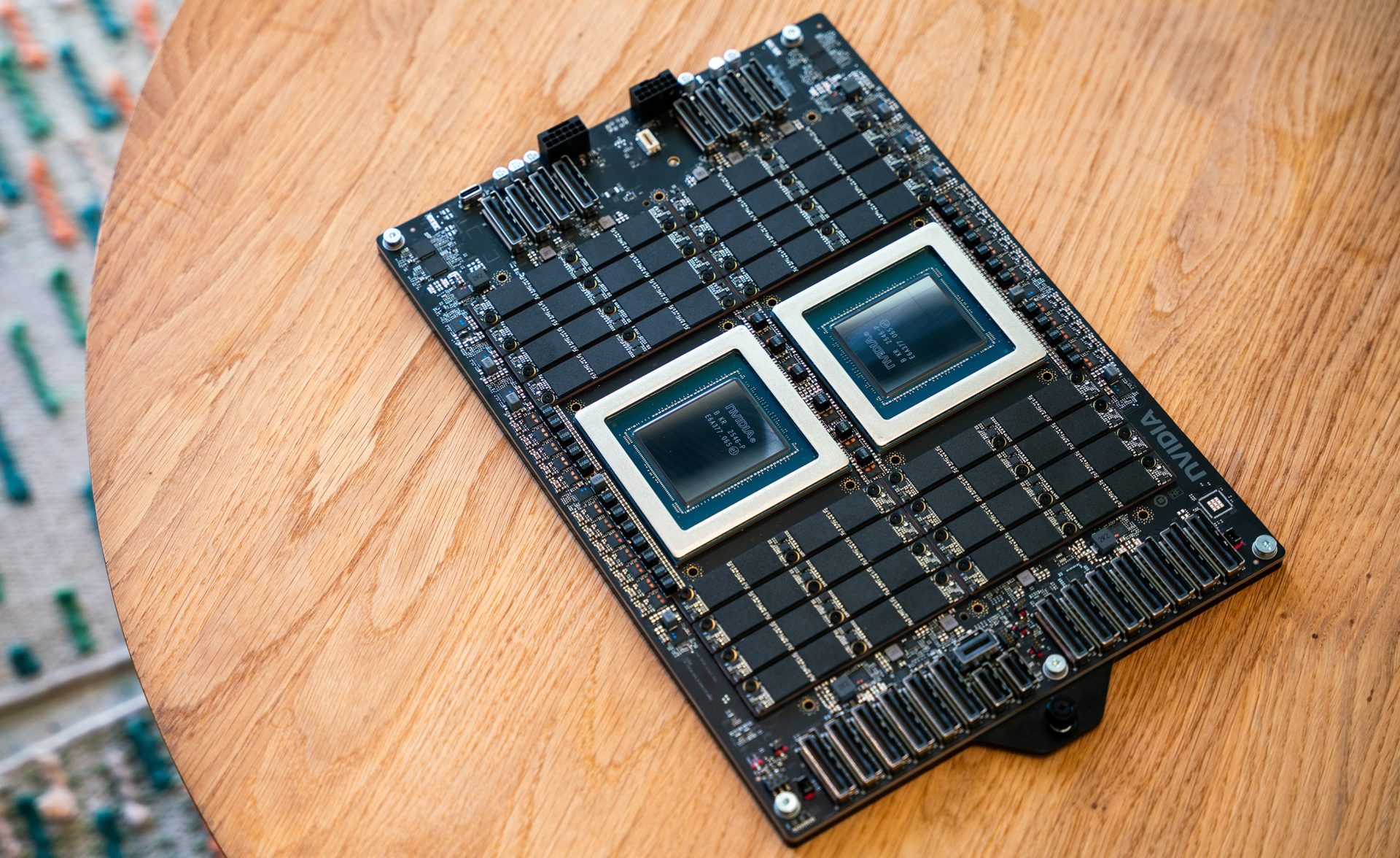
The issue isn’t just limited to retail. Bulk buyers—such as data centers and AI research labs—are driving demand for Nvidia’s GPUs, which in turn trickles down to consumer pricing. The company’s decision to prioritize enterprise and AI applications has left gamers and content creators competing for limited stock, further inflating costs.

Why This Matters for Buyers
For most consumers, the rising GPU prices mean one of two things: delayed upgrades or significant budget trade-offs. Gamers eyeing a high-refresh-rate 1440p or 4K setup now face sticker shock, while professionals relying on GPU acceleration for rendering or machine learning may need to reconsider their workflows. The situation is particularly acute for those who purchased GPUs at launch prices and are now looking to upgrade—only to find that their old card’s resale value has plummeted while new models cost far more.
Resellers are capitalizing on the shortage, with some listing GPUs at premium prices under the guise of ‘limited stock’ or ‘special editions.’ This practice has led to a black market for GPUs, where scalpers and bots snatch up cards before they even hit retail shelves. The result? Legitimate buyers are left scrambling, often paying well above MSRP just to secure a graphics card.
A Glimpse Into the Future
The current GPU price war raises broader questions about the health of the tech market. If demand for AI and data-center GPUs continues to outpace supply, consumers may see even steeper price hikes—or prolonged shortages. Nvidia’s upcoming releases, such as potential refreshes to its RTX 50-series lineup, could either stabilize prices or exacerbate the problem if they fail to meet production targets.
For now, the advice for buyers remains the same: patience and flexibility. Waiting for prices to dip—if they ever do—might be the only viable strategy. Alternatively, exploring AMD’s Radeon lineup or older Nvidia models (if available) could offer a more budget-friendly path. But with no clear end in sight to the GPU crunch, the market may remain volatile for the foreseeable future.