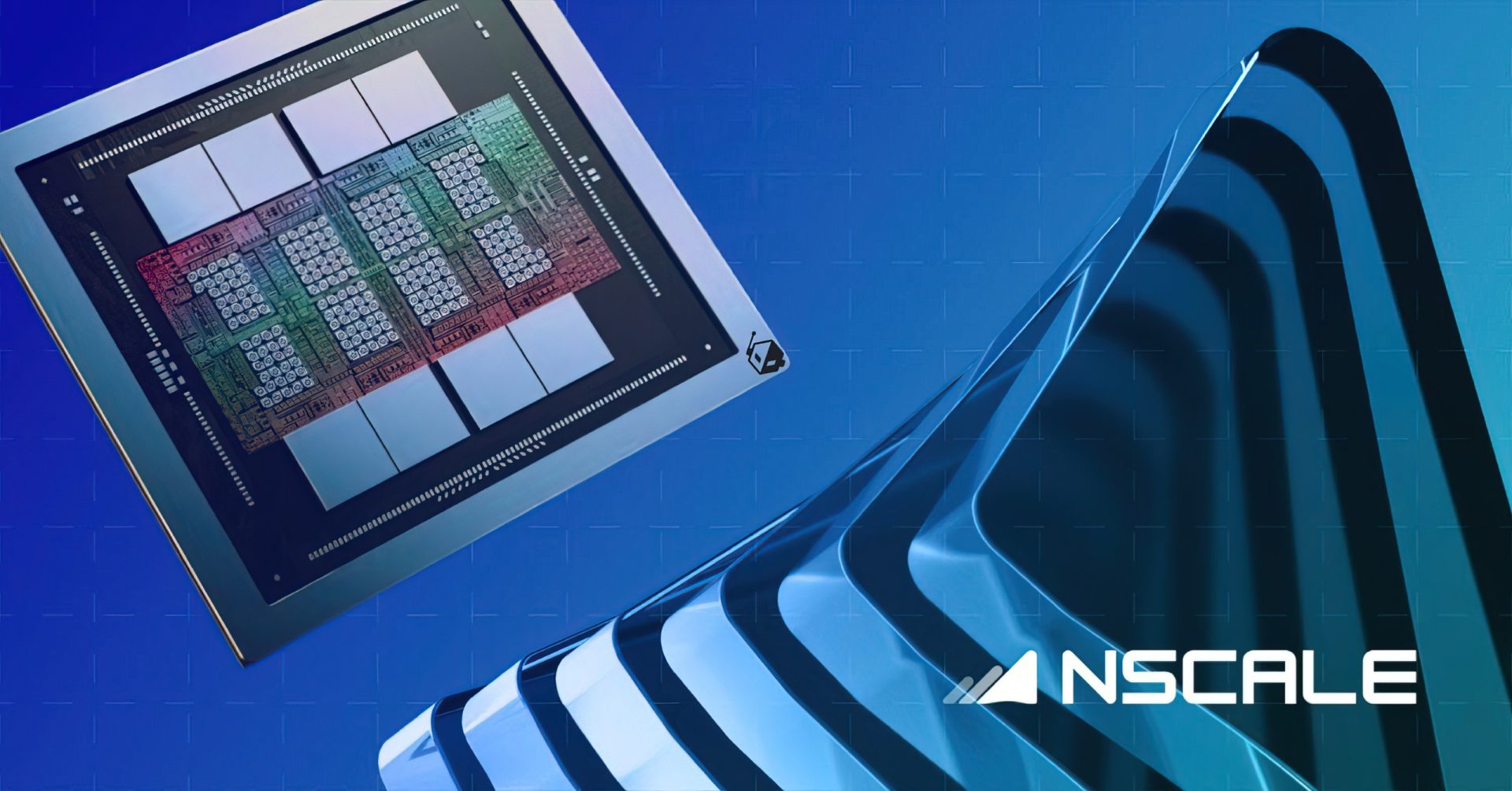
The $10 billion-per-gigawatt compute rate—NVIDIA’s signature pricing for its Vera Rubin supercomputing clusters—was supposed to be the foundation of OpenAI’s AI infrastructure. But behind the scenes, that number has become a lightning rod. OpenAI’s leadership is now evaluating whether to lock in exclusively with NVIDIA or adopt a fragmented approach, blending GPUs for training with specialized hardware like Cerebras’ wafer-scale engines for inference. The math is simple: Cerebras delivers 750 megawatts of capacity for roughly $10 billion, a rate that, while still premium, offers a different performance profile.
At stake is not just cost but strategic flexibility. OpenAI’s internal discussions reveal concerns that NVIDIA’s dominance—while unmatched in training—may not be the optimal choice for every workload. For example, Groq’s Tensor Streaming Processor (TSP) delivers inference speeds up to 50% faster than NVIDIA’s H100 in some benchmarks, at a fraction of the power draw. The question now is whether OpenAI will prioritize lock-in with NVIDIA or hedge its bets by incorporating these alternatives.
The timing couldn’t be worse. OpenAI’s $1.4 trillion revenue projections—once seen as a bold vision—are now under scrutiny as competitors like Anthropic and Mistral AI accelerate. Claude’s recent upgrades, including Claude Code and Claude Cowork, have demonstrated that OpenAI’s lead in AI isn’t guaranteed. In this context, the compute deal isn’t just about infrastructure; it’s about ensuring OpenAI remains the pace-setter in AI innovation.

NVIDIA, meanwhile, is playing a long game. The $100 billion figure was never a fixed upfront cost but a conditional commitment, tied to actual gigawatts deployed over time. CEO Jensen Huang has dismissed reports of a sudden breakdown in talks, emphasizing that no binding agreements exist. Yet, the company’s public stance masks a reality: OpenAI’s hesitation is forcing NVIDIA to adapt. Rumors suggest NVIDIA is exploring tiered pricing models, where early adopters of its next-gen Blackwell GPUs could secure discounts—effectively sweetening the deal to retain OpenAI as a cornerstone customer.
For OpenAI, the decision boils down to a simple trade-off: stability vs. innovation. NVIDIA offers unparalleled scale and ecosystem integration, but at a price that may no longer align with OpenAI’s cost-sensitive inference needs. The alternative—fragmenting its infrastructure—carries risks, including higher operational complexity and potential vendor lock-in with emerging players. Yet, the pressure to avoid overpaying for compute is undeniable, especially as OpenAI prepares for a potential IPO where every dollar spent on infrastructure will face scrutiny.
The fallout from this debate extends beyond the two companies. If OpenAI opts for a hybrid approach, it could accelerate the adoption of specialized AI hardware, reshaping the market dynamics. Competitors like Cerebras and Groq stand to gain, while NVIDIA’s near-monopoly on AI training could face its first serious challenge in inference. The outcome will determine whether the $100 billion partnership remains a landmark deal—or a cautionary tale about the perils of over-reliance on a single vendor.