The most striking example of this shift isn’t a hoodie or a tee—it’s a $199 plastic carrier bag designed by ZA/UM Atelier, a brand that turned Disco Elysium’s existential themes into wearable art. The bag isn’t just functional; it’s a conversation piece, a nod to the game’s aesthetic without requiring a full commitment to its lore. This isn’t the first time gaming-inspired fashion has pushed boundaries, but it’s the first time it’s done so with such deliberate sophistication.
What makes this moment different is the absence of compromise. Brands are no longer settling for mass-produced tees with faded prints. Instead, they’re investing in designs that appeal to both gamers and fashion-conscious consumers. The result? A category that’s finally shedding its reputation for being tacky or one-dimensional.
A New Standard for Gaming Apparel
The old model relied on volume: cheap, fast-produced merch that flooded conventions and online stores. The new model prioritizes quality over quantity. Take Insert Coin’s Persona 5 blazer, for instance—a piece that wouldn’t look out of place in a business casual setting but still carries the unmistakable vibe of the game’s neon-lit world. It’s not just a shirt; it’s a statement.
Even footwear is getting an upgrade. The Sonic x Timberland collaboration didn’t just slap a character’s face on a sneaker. It reimagined classic silhouettes with details that feel organic to the brand’s identity while paying homage to Sonic’s speed and agility. The shoes sell out in hours—not because they’re cheap, but because they’re desirable.
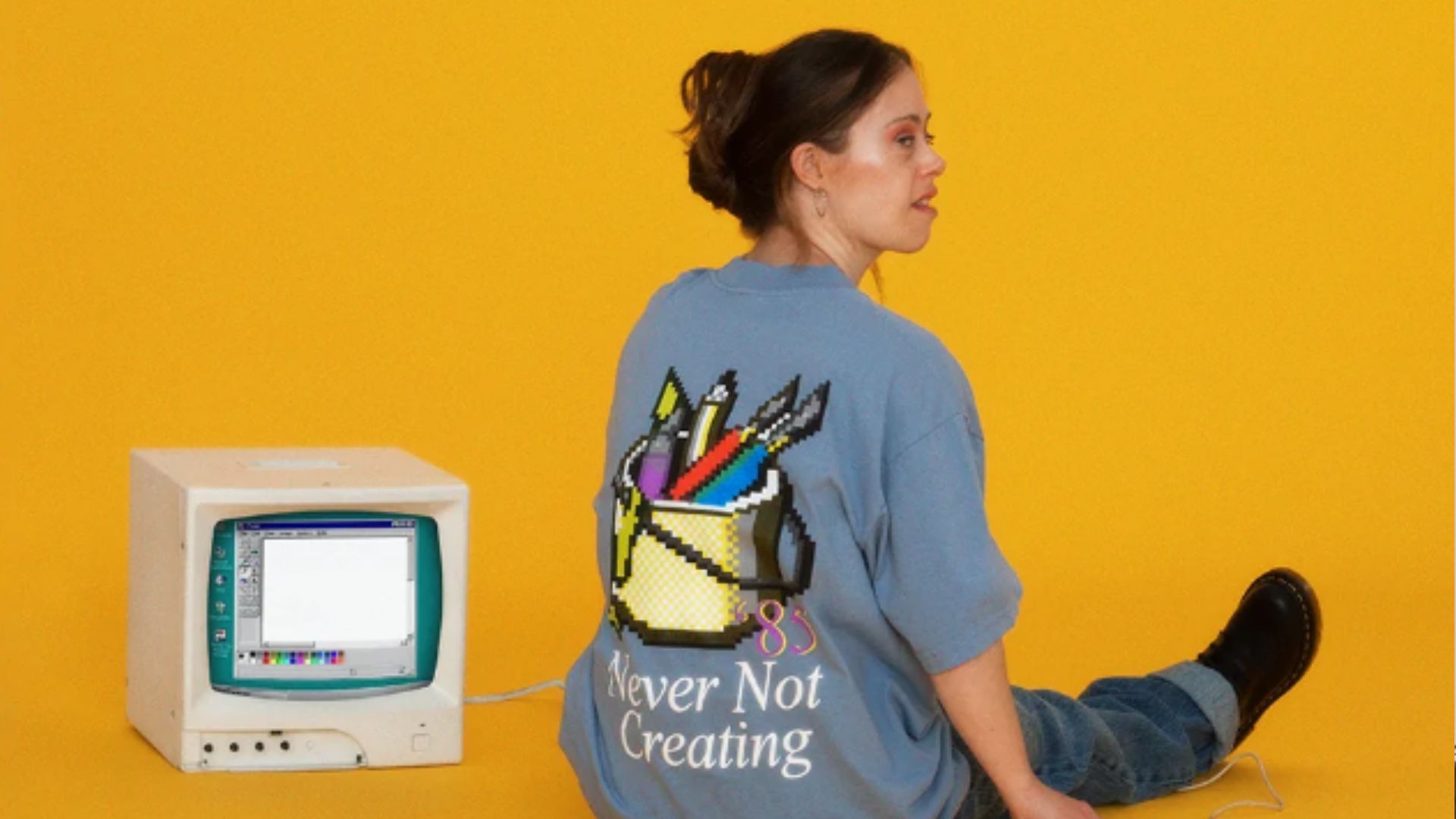
This isn’t just about targeting hardcore fans. It’s about reaching anyone who appreciates gaming culture as part of their identity. The Minecraft x Very Cool collection, for example, didn’t just rehash blocky pixel art. It leaned into minimalist, high-quality designs that resonate with streetwear audiences. The same logic applies to accessories: a Hades-themed ring or a Final Fantasy VII-inspired cufflink turns fandom into a subtle, stylish accessory.
The Bigger Picture: Fashion as Cultural Currency
The rise of elevated gaming merch reflects a broader truth: gaming is no longer a niche interest. It’s a cultural force with its own language, aesthetics, and—now—fashion ecosystem. Brands that once ignored this space are taking notice, and the collaborations are becoming more ambitious.
Consider the possibilities: a Cyberpunk 2077 x Acne Studios line could blend cyberpunk’s neon futurism with Scandinavian minimalism, while a Zelda x The Row partnership might reimagine Hyrule’s lush landscapes in tailored, high-end fabrics. The challenge will be striking the right balance—between exclusivity and accessibility, between homage and innovation.
For now, the $200 bag serves as a proof of concept. It’s not for everyone, but it signals that gaming merch can aspire to the same level of craftsmanship as any other fashion category. The question isn’t whether this trend will continue—it’s how far it will go.
The answer may lie in the details. A well-designed hoodie at $20. A limited-edition sneaker at $150. A statement piece that costs more but feels worth it. The key is making fans feel like their love for gaming can be expressed without sacrificing personal style—and that’s a standard the industry is only beginning to meet.