Behind the scenes of the AI-driven memory crisis, an unexpected player has risen to prominence: Toto, the Japanese manufacturer synonymous with high-end toilets. While the tech world grapples with soaring RAM and storage costs—driven by data centers’ insatiable appetite for silicon—Toto’s advanced ceramics division is quietly supplying a foundational component for next-generation chip production. The company’s electrostatic chucks, used in Lam Research’s cryogenic etching tools, now account for over half of its operating profit, positioning Toto as a critical, if overlooked, participant in the semiconductor supply chain.
The connection between porcelain and silicon may seem tenuous, but it hinges on precision engineering. Toto’s ceramic chucks hold silicon wafers in place during the ultra-low-temperature etching process essential for 3D NAND fabrication—the same memory tech powering AI accelerators. With investors like Palliser Capital now calling Toto the ‘most undervalued AI memory beneficiary,’ the company’s role in enabling high-density storage could become even more pivotal as demand for advanced chips accelerates.
The AI Boom’s Ripple Effect on Supply Chains
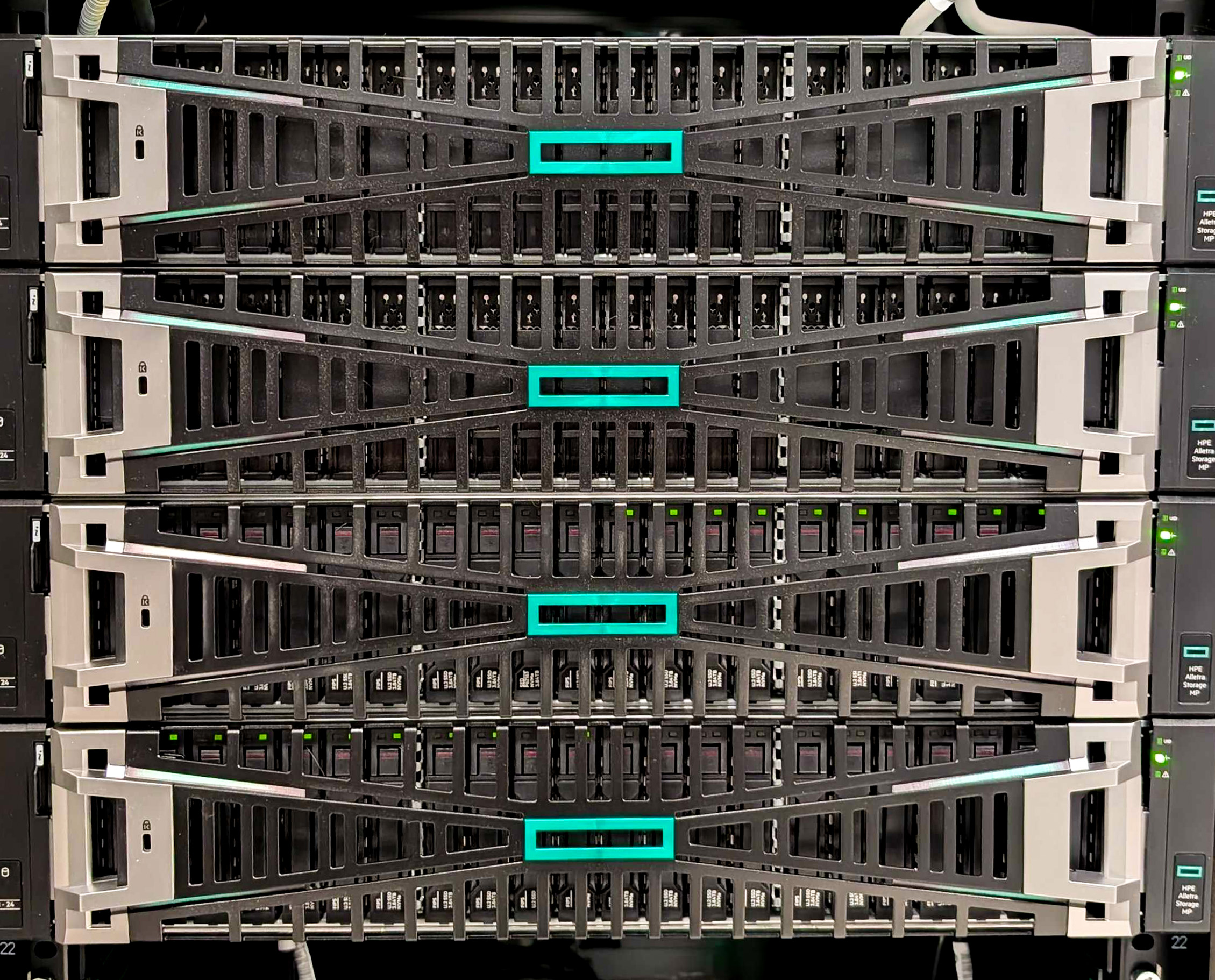
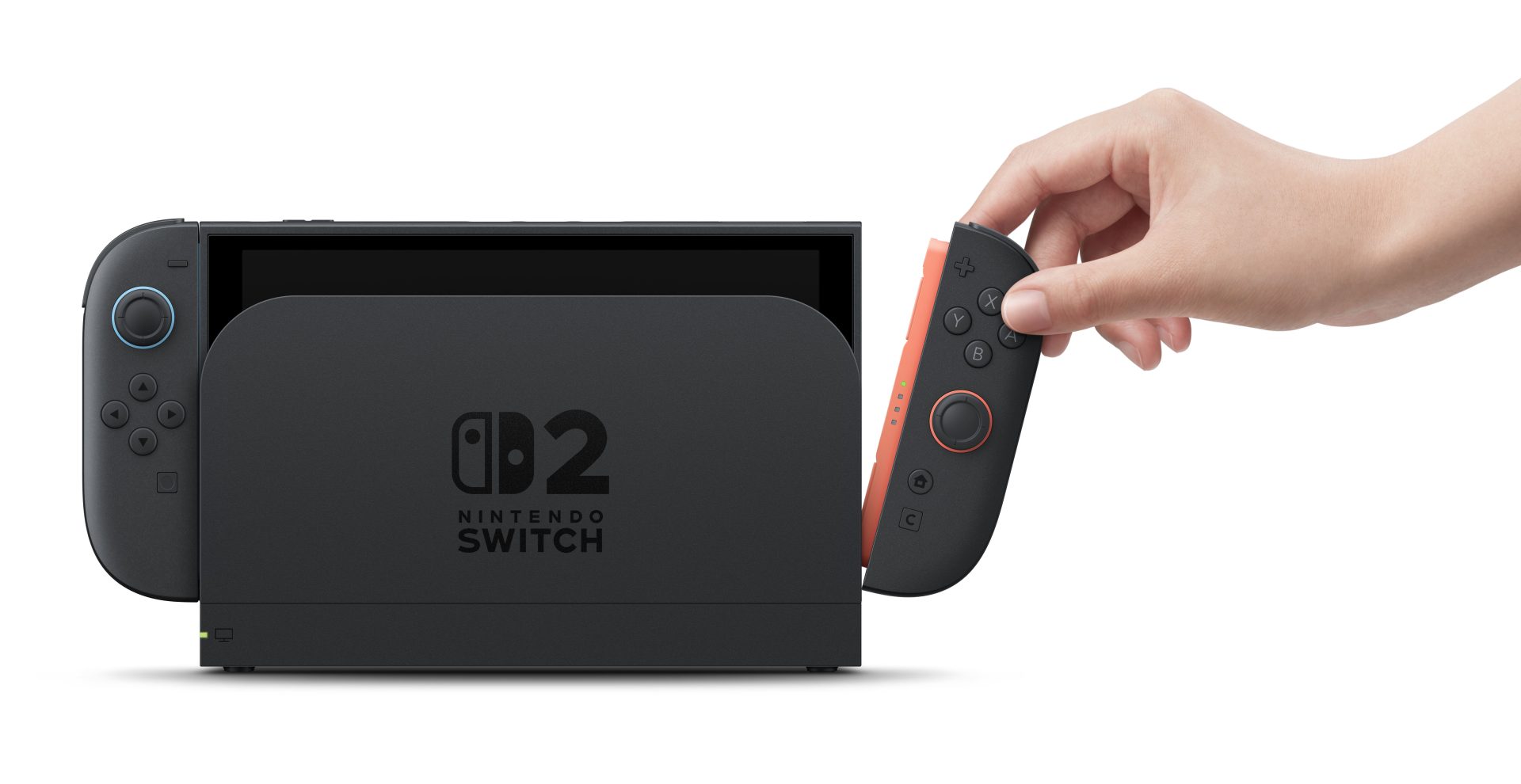
While Toto’s ceramics division thrives, the broader memory market remains in turmoil. AI data centers have absorbed an unprecedented volume of RAM and storage, forcing manufacturers to absorb supplier cost hikes while consumers face inflated prices. Industry analysts warn that the strain could push smaller electronics firms toward bankruptcy by year’s end, with even major players like Sony reportedly considering delays to next-gen hardware launches. Meanwhile, Nvidia’s $100 billion OpenAI investment—once a landmark deal—has reportedly stalled, adding uncertainty to the tech landscape.

For data center operators and chipmakers, Toto’s ceramics represent a stabilizing factor. The company’s dominance in electrostatic chucks ensures a reliable supply of critical components for 3D NAND production, a process vital for scaling AI workloads. As DRAM prices show early signs of plateauing, Toto’s role underscores how niche specializations can offset broader supply chain volatility.
Who Benefits—and Who Gets Left Behind?
- Semiconductor Manufacturers: Gain access to high-precision ceramic components essential for advanced etching, reducing bottlenecks in 3D NAND production.
- Data Center Operators: Indirectly benefit from stable memory supply chains, as Toto’s ceramics support the infrastructure needed for AI training clusters.
- Consumers: Face continued pressure on hardware costs, though Toto’s role in enabling scalable storage may eventually ease price volatility.
- Investors: Palliser Capital and others are betting on Toto’s ceramics division as a high-margin, AI-adjacent play, with the company’s operating profit now heavily tied to semiconductor applications.
The irony of Toto’s rise is striking: a company best known for plumbing innovations has become a linchpin in the digital economy. While the memory crisis persists, its ceramics division offers a rare bright spot—a reminder that even the most unexpected industries can shape the future of technology.