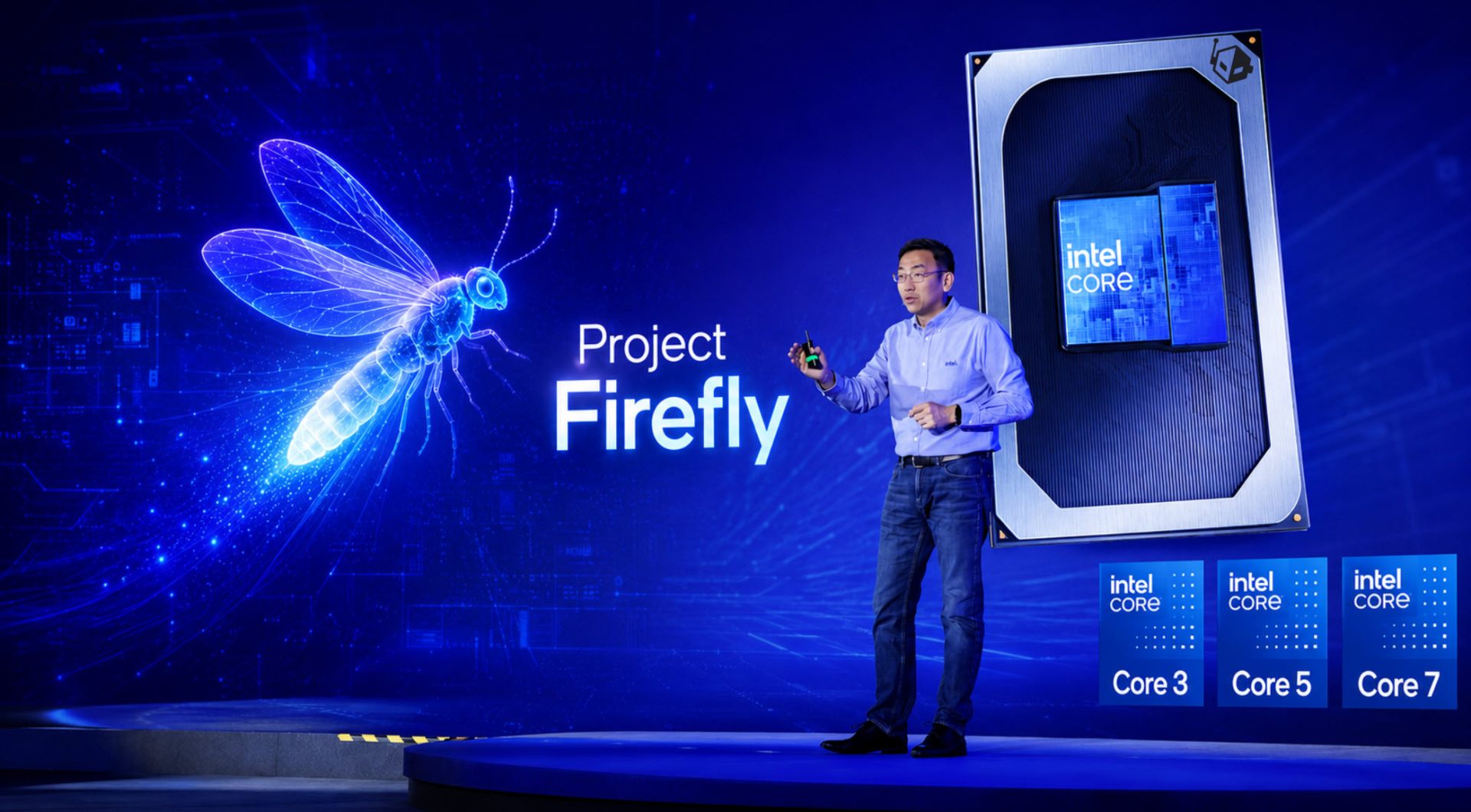
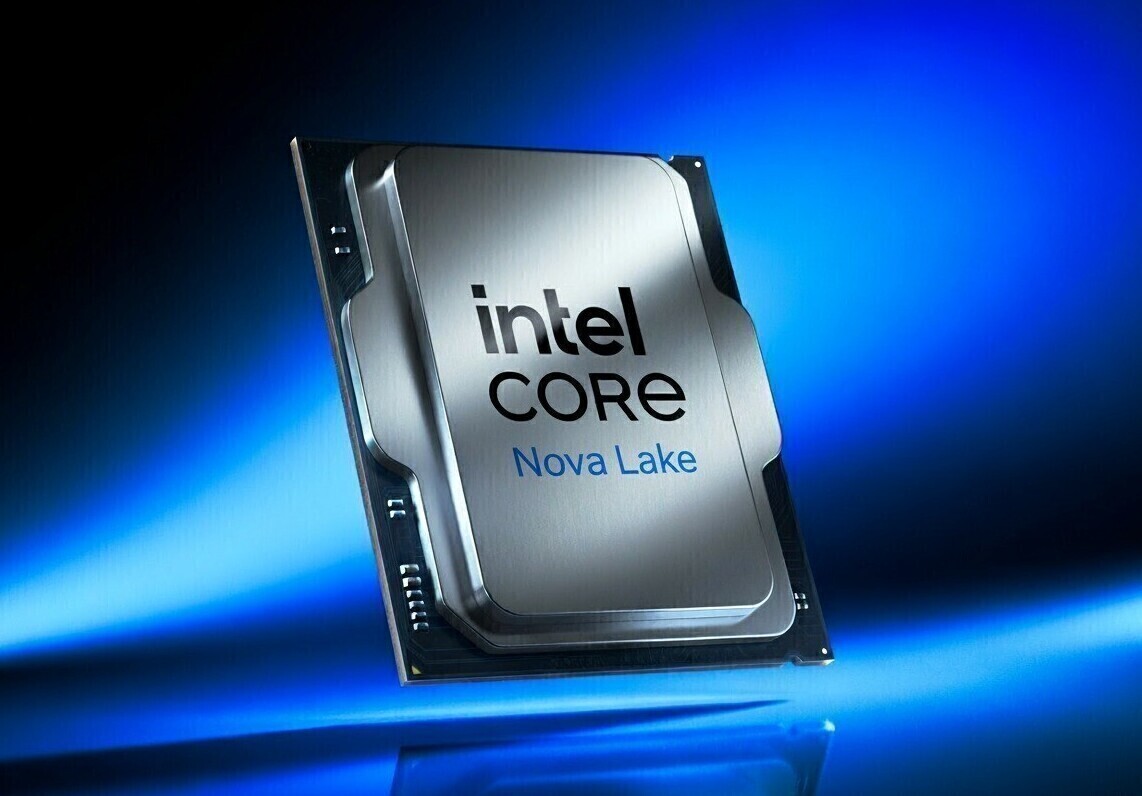
Intel’s next-generation Nova Lake processors have quietly entered development tools months before their official launch, and the hardware monitoring utility HWiNFO is now ready to track them. Version 8.42, released February 24th, adds granular support for Nova Lake-S engineering samples—capable of distinguishing between different Core Ultra series chips and running diagnostics on pre-production units.
This early integration suggests that Intel’s unique processor IDs for Nova Lake have already been embedded in compiler patches for GCC and LLVM, hinting at a coordinated pre-launch ecosystem push. The update also introduces a new NPU stress test (Pro version only), alongside refinements for USB Type-C power delivery monitoring on ASUS motherboards and VRM tracking for NVIDIA’s RTX 5090 Lightning GPUs.
Key Improvements in HWiNFO 8.42
- Nova Lake-S Support: Full monitoring and diagnostics for Intel’s upcoming Core Ultra series, including engineering samples.
- NPU Stress Test: Added to the Pro version, covering AMD and Intel NPUs from Panther Lake onward.
- USB Type-C PD Monitoring: Enhanced for ASUS mainboards with RTS545x controllers.
- VRM Monitoring: Expanded to NVIDIA GPUs, including power limits for RTX 5090 models.
- Thermal Grizzly WireView Pro II: Newly supported liquid cooling loop control.
- MSI PSU & GPU Support: Added monitoring for MPG Ai1300TS, Ai1600TS PSUs, and Intel discrete GPU fans.
- Windows 7 Compatibility: Fixed incompatibility introduced by NPU stress test features.
- EK-Loop Control: Auto-start under regular user accounts (admin rights required for setup).
While Nova Lake won’t hit desktops until late 2026, the inclusion of its processor IDs in HWiNFO signals a shift toward pre-launch tooling—similar to how AMD’s Ryzen 9 9950X3D2 (with 192 MB L3 cache and a 200 W TDP) was detected in benchmarks before official announcements. The update also reflects growing focus on NPU workloads, with stress tests now targeting both Intel and AMD’s integrated neural processing units.
For enthusiasts and overclockers, the RTX 5090 Lightning VRM additions are notable, offering deeper insights into power delivery—a critical factor for high-TDP GPUs. Meanwhile, the Nova Lake support underscores Intel’s push toward a unified software stack, even before hardware reaches consumers.